The teasing teasel

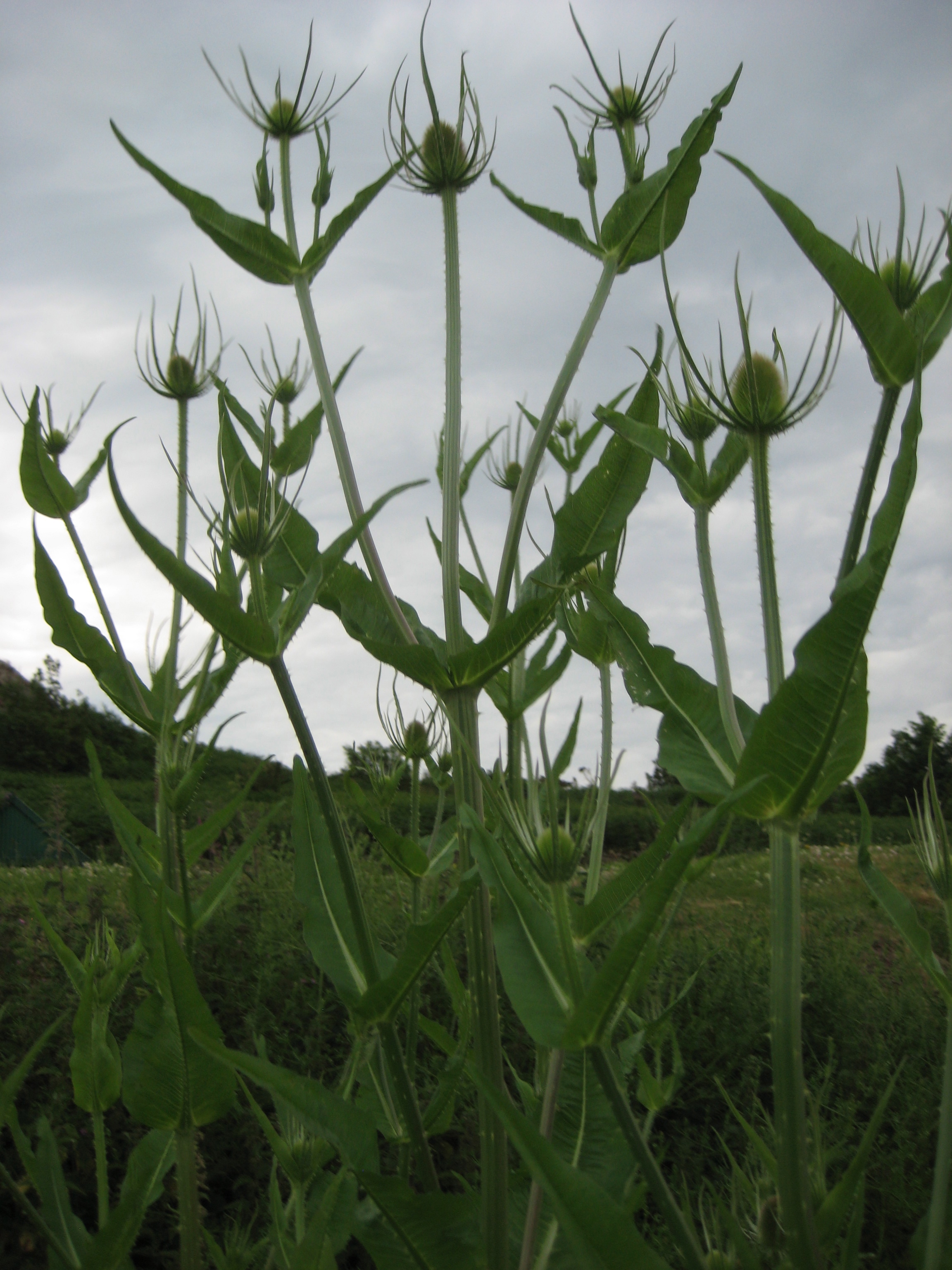
IMG_5223As long as I can remember there have been teasels growing wild in Cilwenen.  As a child in Dinas, I used to walk down to Aberbach along the Cilwenen road and my aunt (who knew that if you wasted not you wanted not) used to find it difficult to walk past without picking some teasels to take home. As a needlewoman and a craftswoman, she never knew when a teasel or two might come in handy.

In fact teasels were used until relatively recently (and maybe they are still used by some perfectionists) for raising the nap on woollen cloth to make baize – useful for covering card tables and the doors that separate the family part of the house from the servants’ quarters.

For much more of interest on the subject of baize click here.

What I didn’t know until recently, because the plants grow  inaccessibly in tangles of brambles, reeds and thorny bushes, is that teasels collect water in the cup-shaped space where the leaves branch out from the stems. These little pools act as barriers to sap-sucking insects and thus protect the plant from aphids and others. Any insects that drown in these little pools have been shown to nourish the plant and improve the number and quality of its seeds. Click here for more on this recent research.
Posted in Crafts, History, Nature | Tagged , , | 1 Comment

My Alzheimer’s Peppers

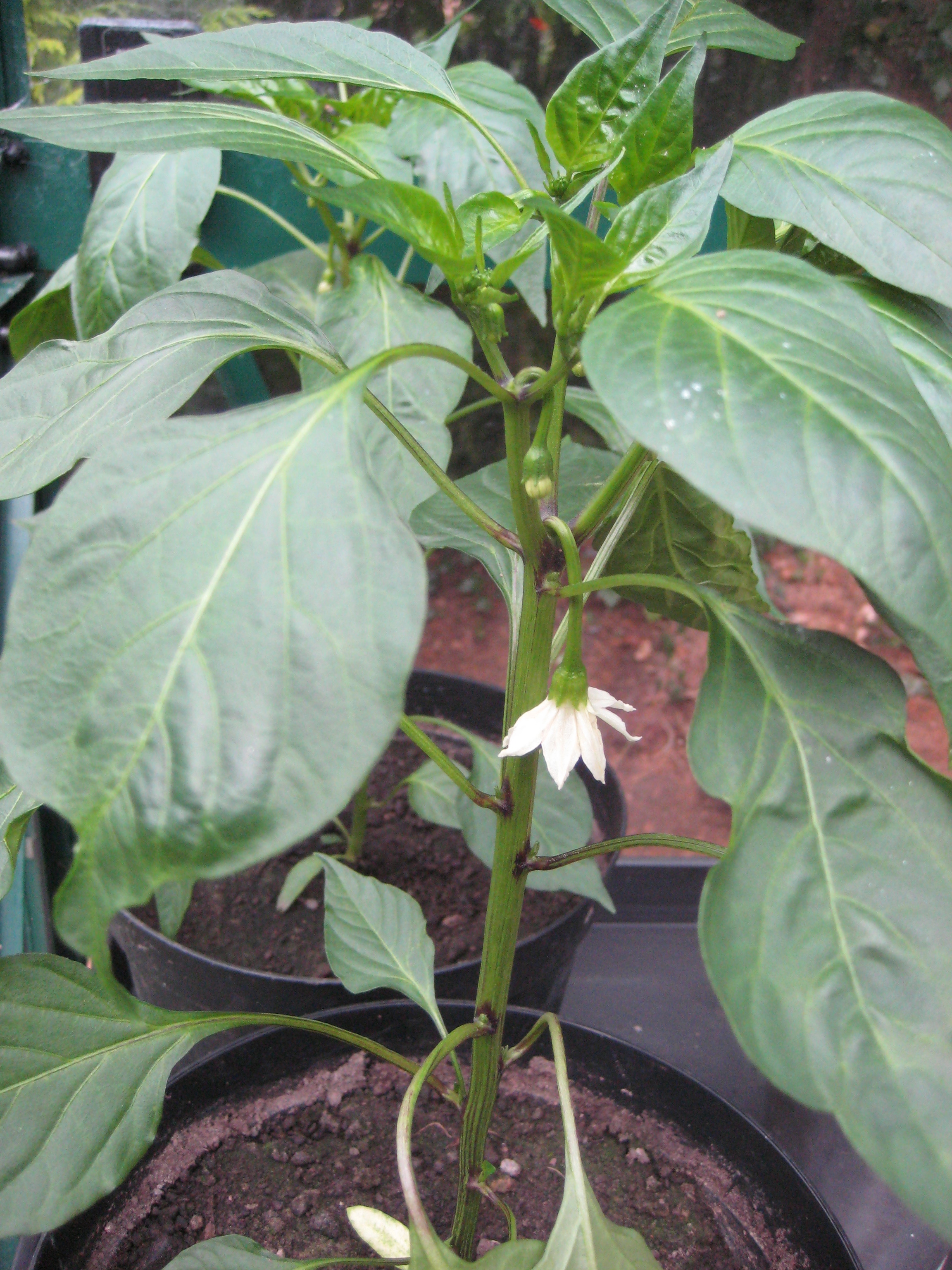
IMG_5484My pepper plants came from a stall in Newport when the town was raising funds for the Alzheimer’s Society. There was live music, a BBQ and several stalls. The food was delicious and the stalls were tempting. I managed to resist the books (just) but succumbed when I saw the pepper plants. These are doing very well and I expect to be harvesting peppers before the end of the summer.

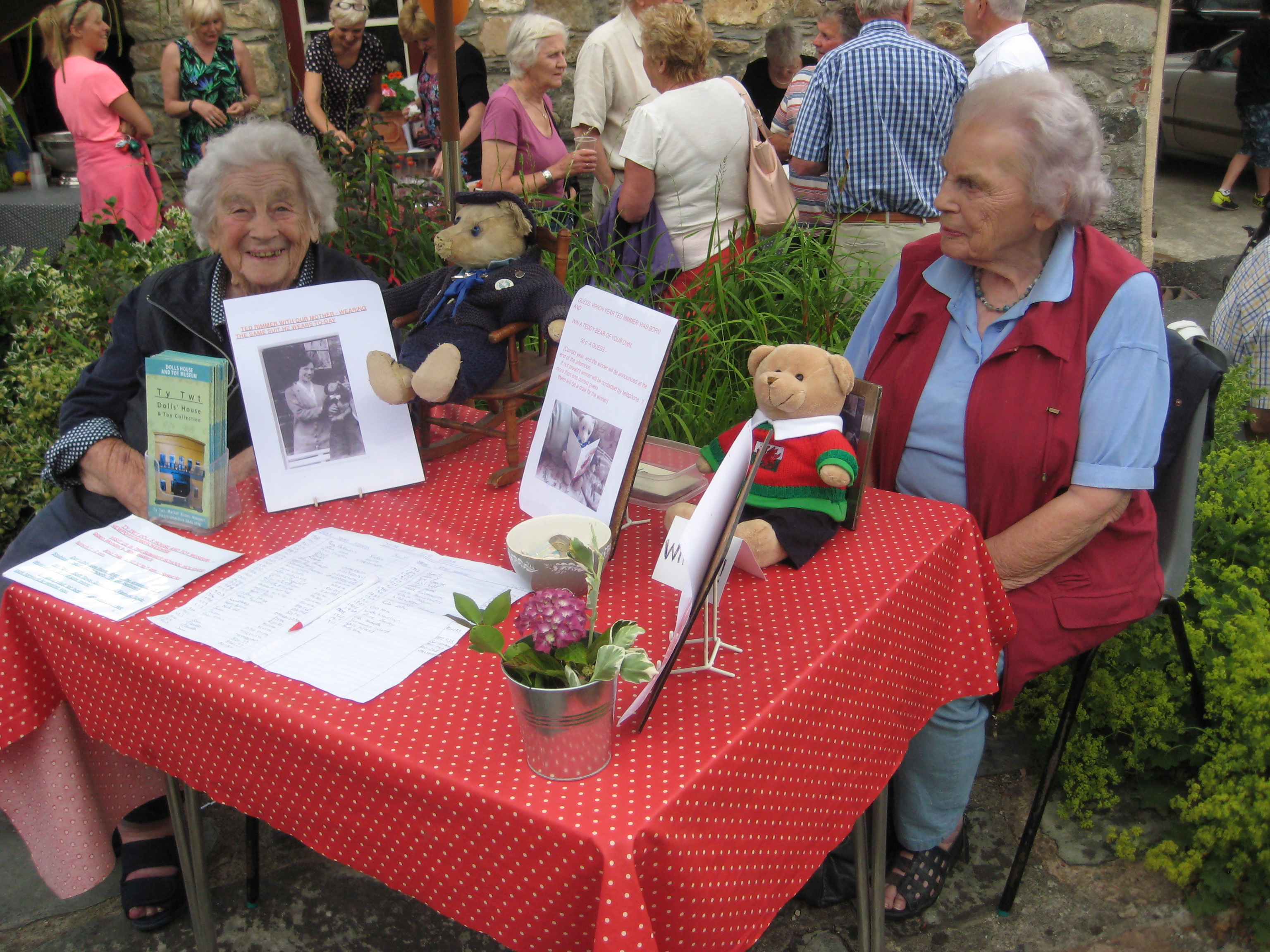
My encounter with the “Guess the age of the Teddy” stall was less successful. Pam and Val were very kind – even offering a couple of hints when my hesitation betrayed ignorance of the teddy bear’s history but I got his birth date wrong and won nothing.
IMG_5292

Pam and Val Ripley run the Doll’s House museum, “Ty Twt” in Newport and will open up specially by request if their usual opening hours don’t suit. Click here for a preview.

It didn’t rain and a great time was had by all! I hope they raised lots for the good cause.

Posted in books, Food | Tagged , , , | Leave a comment

Lunch out!

IMG_5349 If you are anywhere near Fishguard, Tuesday to Friday between 10.30am and 4pm, treat yourself to lunch at the Community Cafe. The food will be delicious, the surroundings cheerful and the bill small; what’s more you’ll be supporting an innovative project with a truly creative band of volunteers.

This not-for-profit enterprise cuts food waste and saves carbon by stopping food going to landfill. Volunteers and staff collect perfectly good food that local shops and businesses would otherwise throw away and turn much of it into affordable, healthy meals and preserves for sale. Whereas food banks have to use non-perishable goods, the community cafe makes good use of fruit, vegetables, dairy goods and baked foods that have a short shelf-life and would otherwise be wasted.

The menu changes regularly, depending on what food has been donated. They were recently given over 100 kilos of bananas. These were made into delicious banana ice-cream that could be kept in the freezer. Other recent donations of 100 loaves of bread and 11 crates of mushrooms didn’t defeat their ingenuity but they couldn’t use all 20 bags of salad that arrived a couple of weeks ago and offered the surplus for free to anyone who wanted one.

So, I hope you are persuaded and if you can’t make it for lunch, try it for tea and cake. Delicious! It’s a real treat. It’s in the centre of town, there’s disabled access, there’s parking close-by and there are community events – look out for notices.

You’ll find your lunch at

The Transition Café
32a High Street Fishguard
SA65 0AR
Tel: 01348 872 019 or 07831 582 718
(They’re next to their generous landlords – the Co-op.)

Posted in Food | Tagged , , | 2 Comments

Food for free

This gallery contains 8 photos.

More Galleries | Tagged , , , | Leave a comment

What to do in Dinas this afternoon

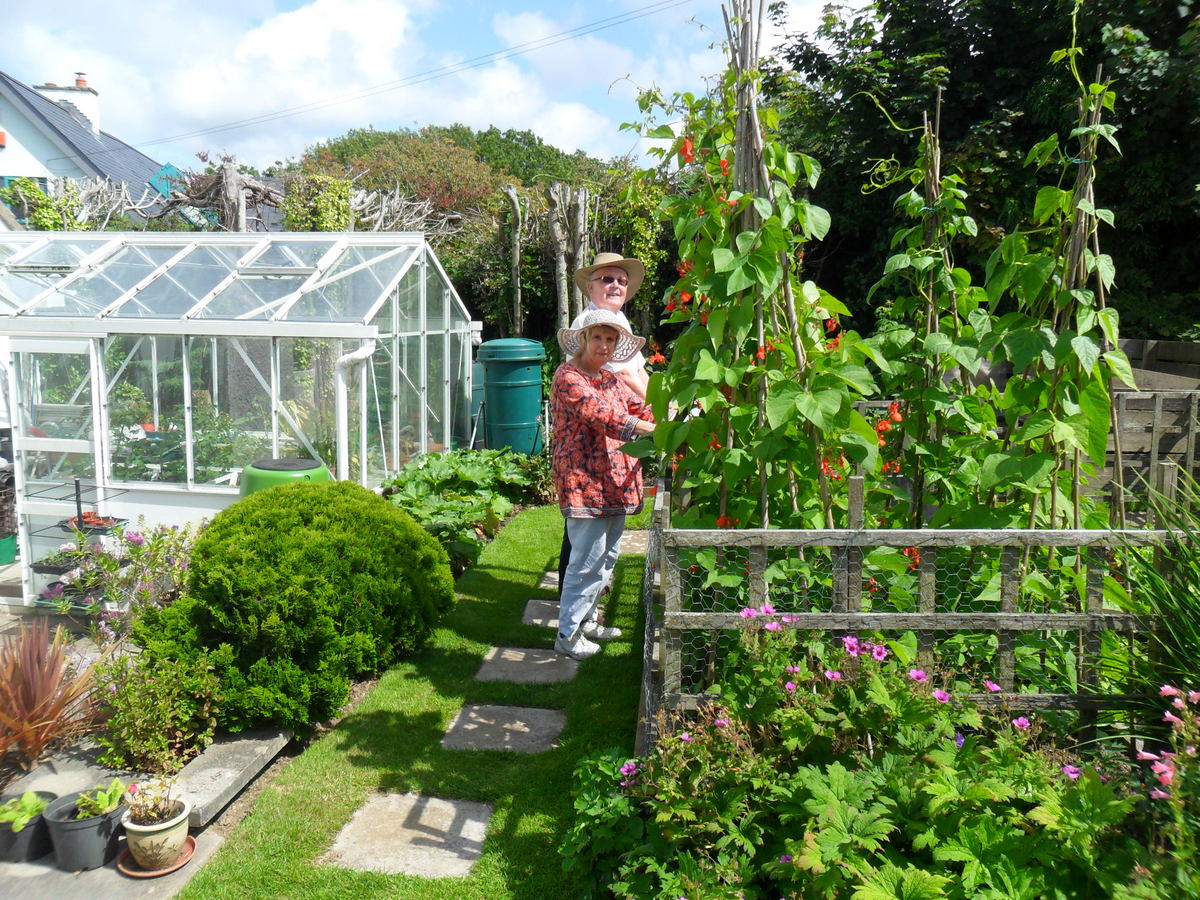
The weather’ll be fine so the open gardens will be a treat and they’re open 2 – 6 today.

I tend to linger by ponds where I try to catch sight of the frogs, newts and toads that SAM_4437protect the vegetable patch from the loathsome and voracious slugs and snails.

SAM_4449

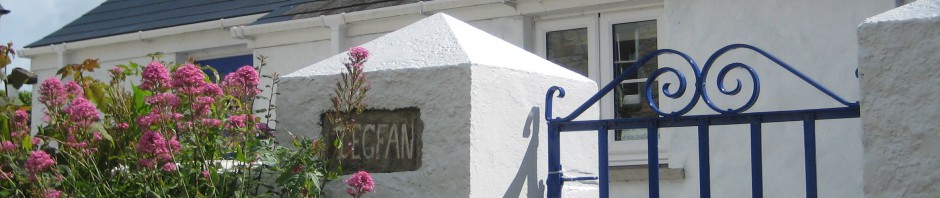
So, take your sun-hat and go and explore – you’ll find flowers too. There are two gardens in Yet-yr-Esgyrn so you could start by Tegfan.

(Many thanks to Ann Hughes for the photos)

Posted in Food, Nature, Wildlife | Tagged , , , | Leave a comment

Visit Dinas Open Gardens today, tomorrow and Sunday

Grab the opportunity to view the work of Dinas’ keen gardeners this weekend. Gardens are open in aid of St Brynach’s Church and this might be your last chance for a long time. What with all the weeding, tidying and fretting to get the gardens to be at their best this weekend, you can be sure that at this point all the gardeners are saying “NEVER AGAIN!”

Start at ‘Glandy’ at the Fishguard end of the village, get further information from Ann and John and then work your way round the others.

Posted in Food | Tagged , , , | Leave a comment

Fabulous food at Ffwrn

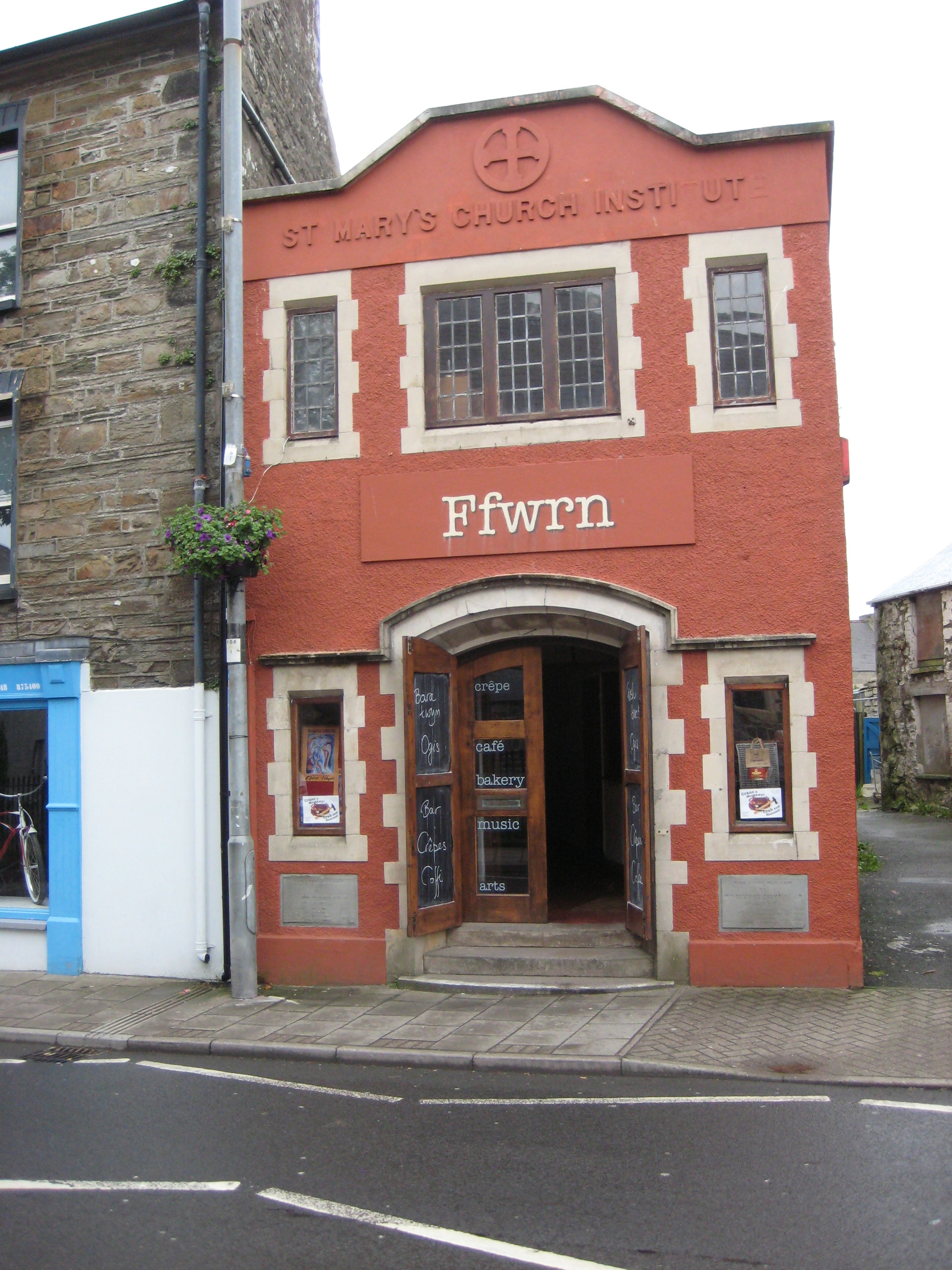
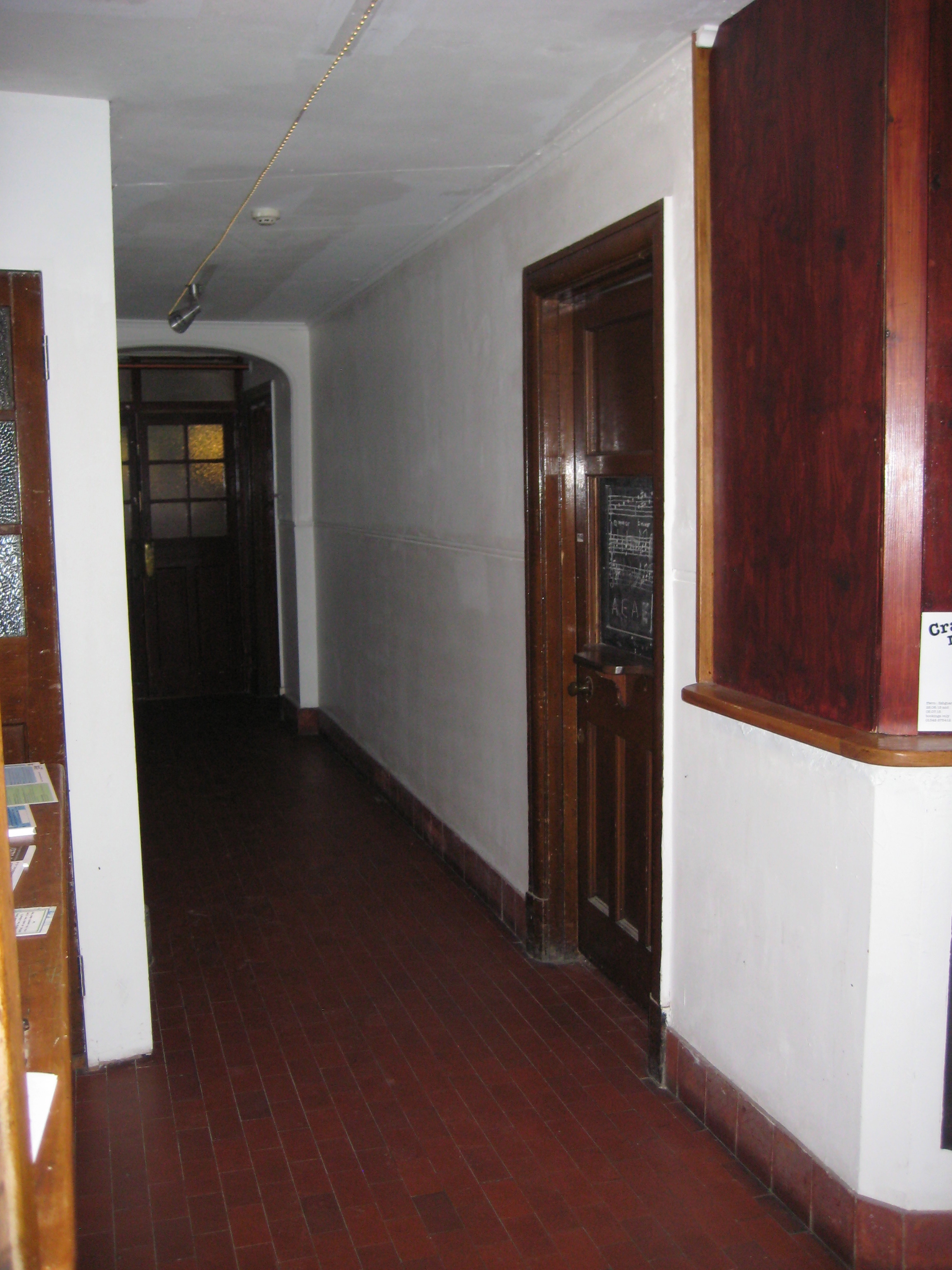
Ffwrn at FishguardIMG_5315We had an early lunch at St Mary’s Church Institute Ffwrn. As you approach Fishguard’s main square (coming from Dinas) it’s on the left, opposite the church. From the outside, it doesn’t look much changed and once you are through the main doors it’s thoroughly Church Hall – long gloomy corridor and dark doors.

But as you burst through the double doors at the end of the corridor the ffwrn itself comes into view, a wood-fired oven with a promise of fabulous food.

the ffwrnThe names of the builders, written in Ogham around the edge of the oven, the big ceramic wood stove, the old stage reconstituted as a massive communal table, the clouds of fringed lampshades shielding the light bulbs, the red velvet sofa, the piano and the mismatched bone china cups give Ffwrn an attractively quirky feel but we loved it particularly for the quality of the food, the friendliness of the staff, the spaciousness of the room and the wonderfully varied programme of events.

Our vegetarian pasties came hot straight from the oven and there were also plenty for meat-eaters. They were delicious and substantial enough to satisfy us for lunch. We could have had crêpes (made in the best Breton-style) or sandwiches made with Ffwrn’s own bread, which can be bought separately. The owner/resident baker is Welsh, from South Wales but with years of experience working in France; Beatrice, the co-owner, is a Frenchwoman with experience of working in Wales. A wonderful combination. Along with great food there was a good choice of drinks. It was all tempting and most satisfactory. We intend to go again, and again and again.
Each time we’ll find new events. Our first visit, during fish week, taught us about plankton*, from projected photos on the wall and explanations from marine biologists. There was ‘an alternative fashion show’ scheduled for the following evening and over the next few weeks they’ll be ‘Aberjazz’ events. For the programme, click here.

*I learnt that what distinguishes plankton from other marine animals is their inability to propel themselves forwards. They can go up and down but not swim against the current. Their name comes from the Greek word for ‘drifting’.

Posted in Food, Welsh language | Tagged , , , , , | 1 Comment

The saga of the stick and its surprise ending

Back in the early days of the Cwm-yr-Eglwys regatta, the committee organised on an ambitious scale. In addition to the usual swimming, rowing, sailing and donkey walking (the furthest donkey taken out to sea) there were also prizes for needlework, home-grown vegetables and flowers, children’s drawings and the best bouquet of wild flowers collected and arranged on the day.

The category of ‘best home-made walking stick’ was restricted to the inhabitants of Dinas and on 22nd August 1900, the prize was won by Thomas Rees of Cnuck with a blackthorn stick, one of a selection, cut and dried by himself, that was much admired. (Blackthorn is notoriously difficult to work. Compared to other woods, such as hazel, it is hard to find suitable lengths and dangerous to cut. It is also very dense and moist so it takes twice as long to season and is very susceptible to cracking and splitting.)

Thomas Rees took both the first and second prize and decided to raffle the winning stick on 23rd November “for the small sum of twopence per name”. The offer was announced in the The County Echo of 8th November 1900 and the readers were encouraged to view and be tempted by the splendid prize.

On 29th November, The County Echo reported that the raffle had been postponed for a week because not all the raffle books had been returned so wasn’t until 6th December that we learnt that the stick had been won by Mr John Samuel of Heathfield, Dinas, with ticket number 44.

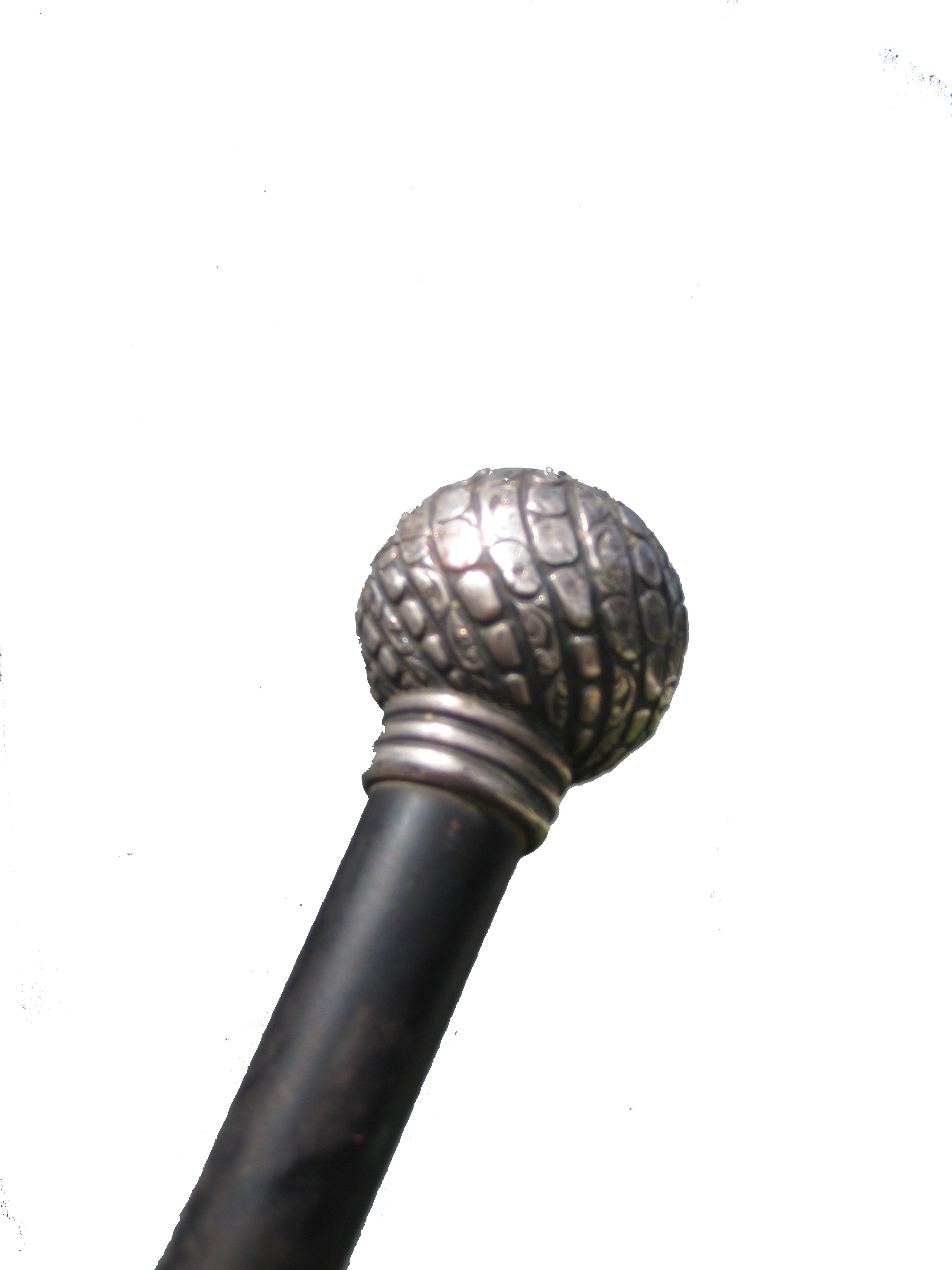
The story continues 111 years later. The name of Mr John Samuel’s house had changed from ‘Heathfield’ to ‘Penrallt’ and the new owners were planning to replace some of the floors. When they took up the old boards, they found this walking stick underneath.
New stick_edited-2The blackthorn sticks that I have seen are generally knobbly with a natural knuckle in the Pommel 3wood for a handle but I have never seen a prize winning stick before. I would love to believe that this fine article is the stick that Thomas Rees of Cnuck had crafted and that John Samuel won in the raffle.

I’m sure that a competition entry would be sanded to smoothness and topped with a pommel that would impress the judges and raise a bit of money for the craftsman as a result.

Posted in Crafts, History | Tagged , , , , | 1 Comment

Phone a fisherman

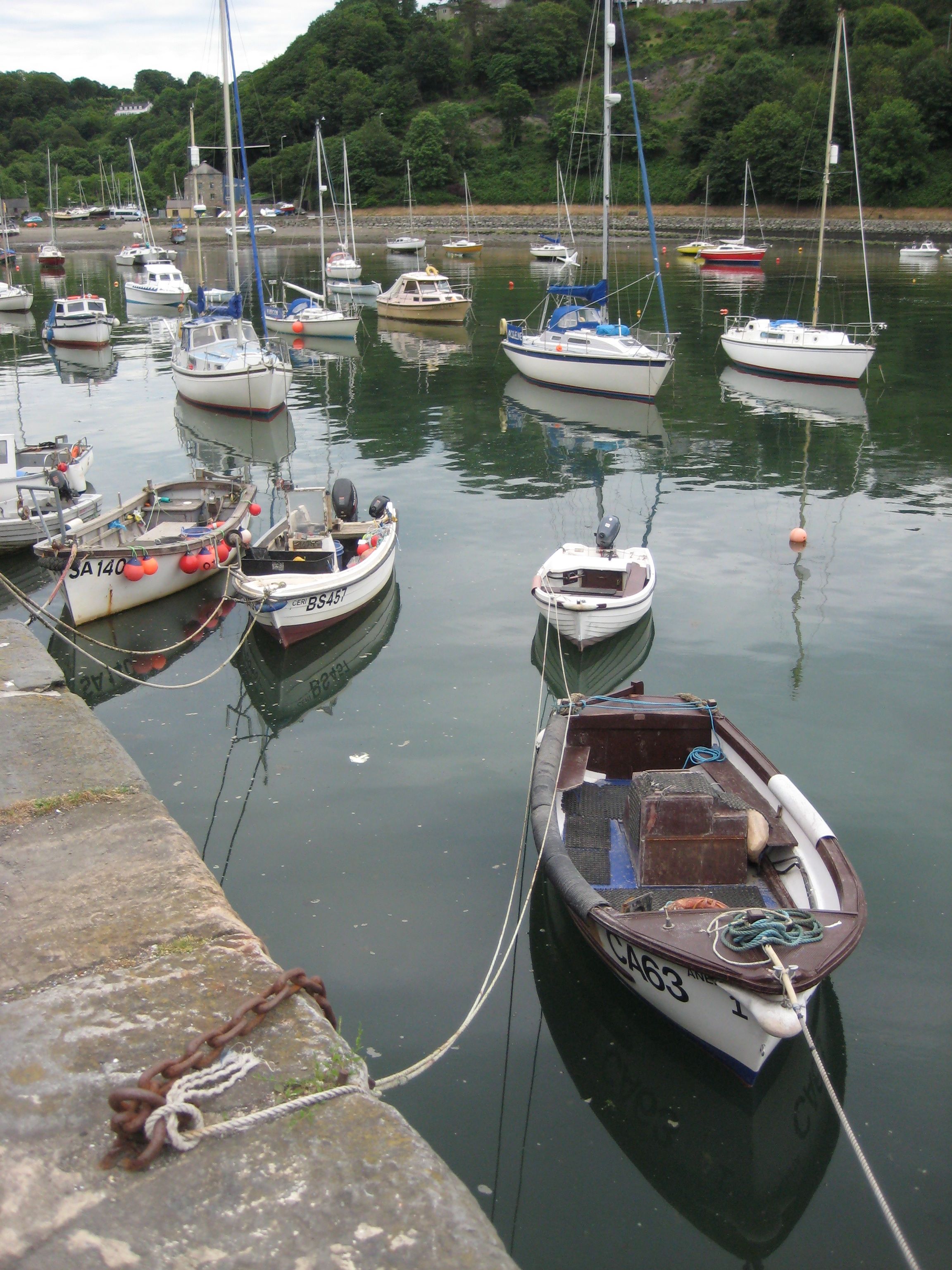
There are eight or nine fishermen working out of Fishguard Lower Town.

Fishing boats Lower Fishguard

It’s dangerous work. The men usually go out alone and are dependent on the weather, tides and availability of fish – all of which are beyond their control. They divide the area up between them to avoid over fishing and if they don’t process the fish themselves, many sell on to wholesalers. Some of the fishermen would like to sell more locally and their recently acquired ice machine will enable them to keep the fish for longer and sell direct to customers from the quay in Lower Town.

If you fancy really fresh fish, ring a fisherman and find out what’s available.

IMG_5462

Posted in Food, Sea | Tagged , , , | Leave a comment

Your path will be lined with orchids

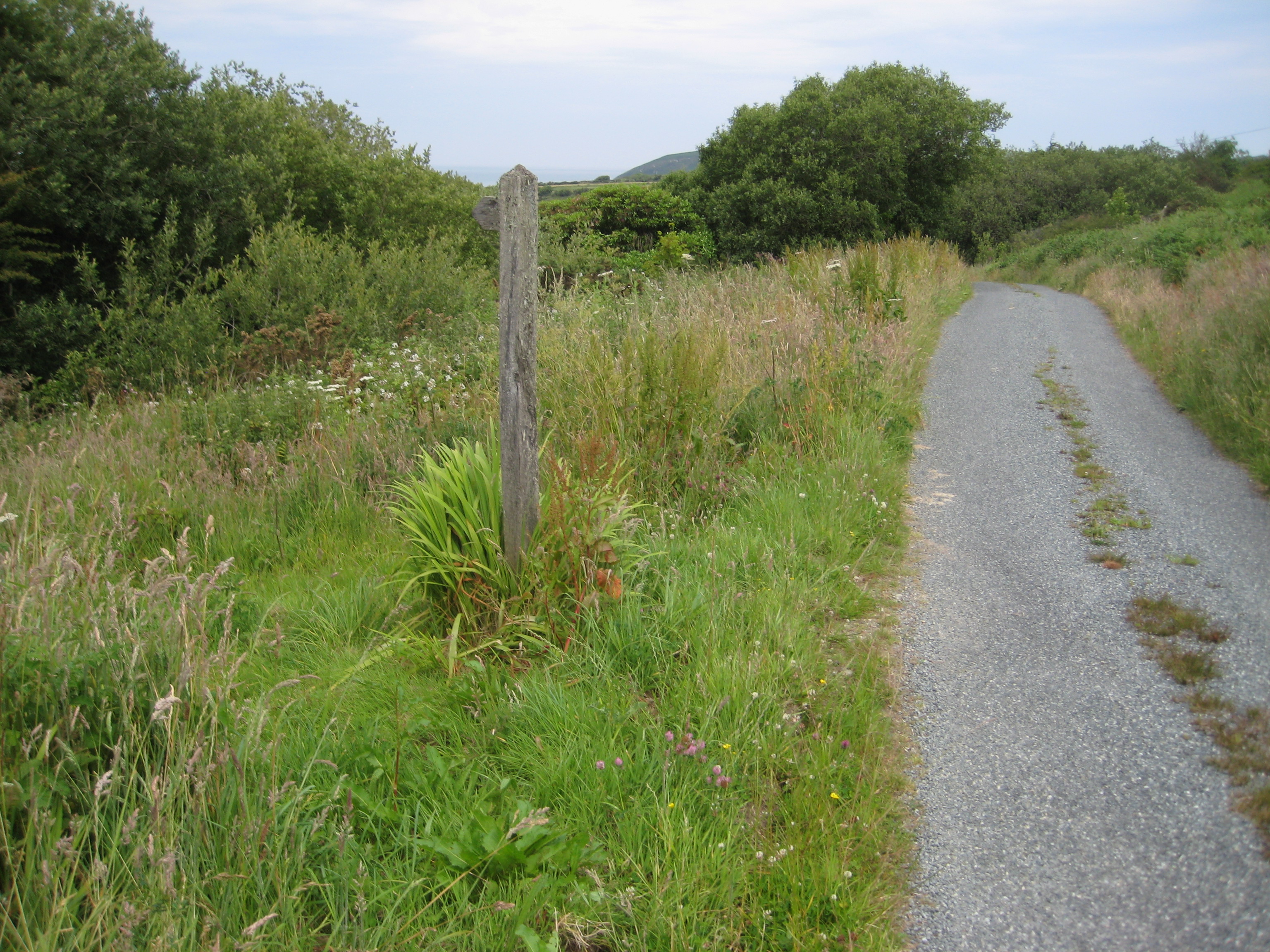
Walk down towards Aberbach beach along the Cilwenen road. When you have passed the first group of houses on the right but before the second group and the end of the tarmac, turn left here.

IMG_5263

It doesn’t look promising at first but the path will take you down to the stream that runs through the mill and then emerges at the beach. And along the path, all the way from the road down to the stream, you will find orchids, ranging in colour from white with few spots to pink with many more markings. I think they are Heath Spotted Orchids but would like to be corrected if any reader is better at identifying orchids than I am.

Posted in Nature, Walking | Tagged , , , | Leave a comment

Ancient ruins

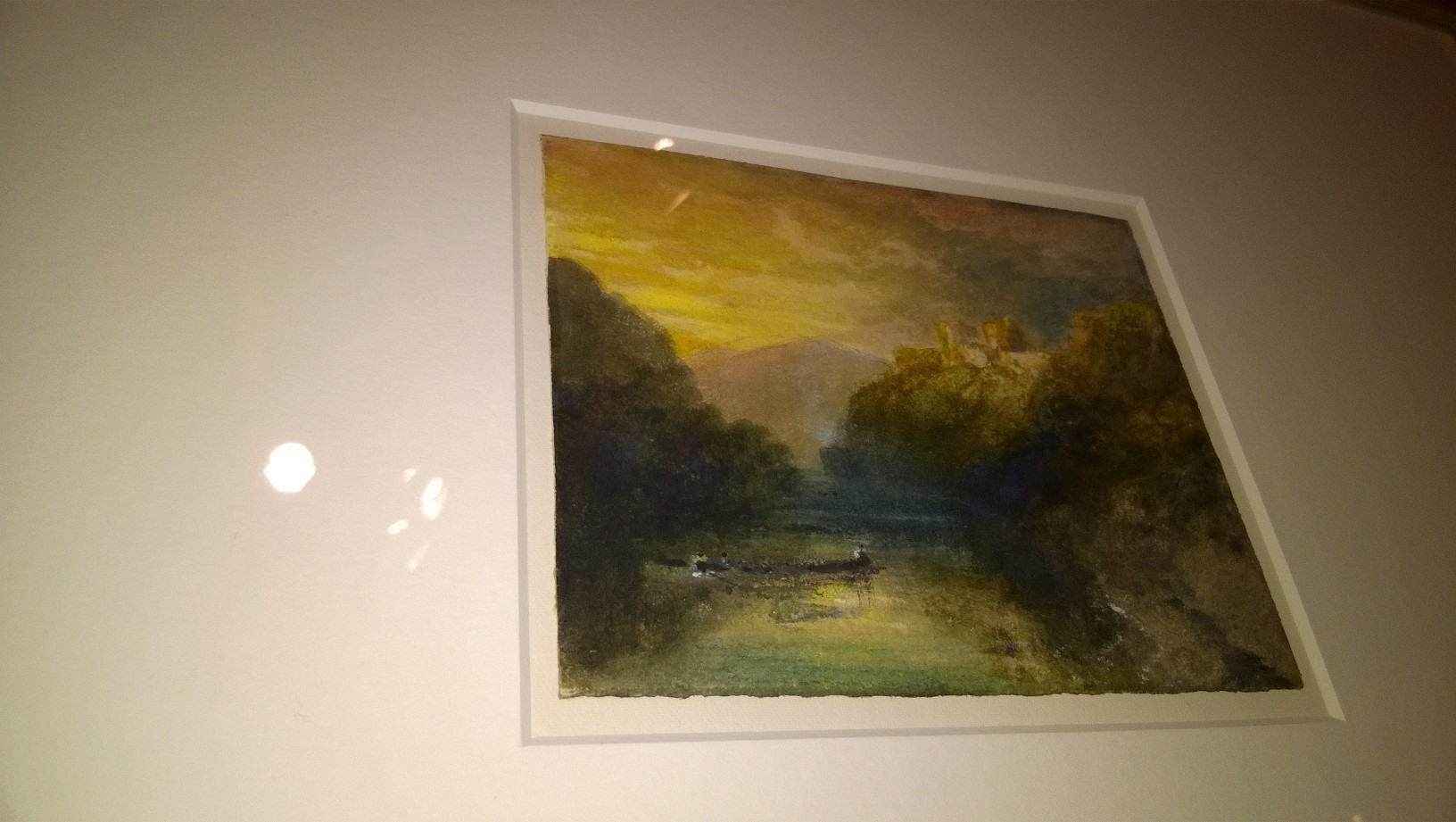
I have a fondness for ruins and there’s an imposing ruined castle less than 20 miles from Dinas, on the river Teifi. Cilgerran castle served its purpose in the wars between the Normans and the Welsh when it changed hands several times and was damaged and repaired as a consequence.  It then served as a home for the Vaughan family for a couple of hundred years but has officially been a ruin since 1387.  It is now run by Cadw for the National Trust and there are several events organised there this summer.

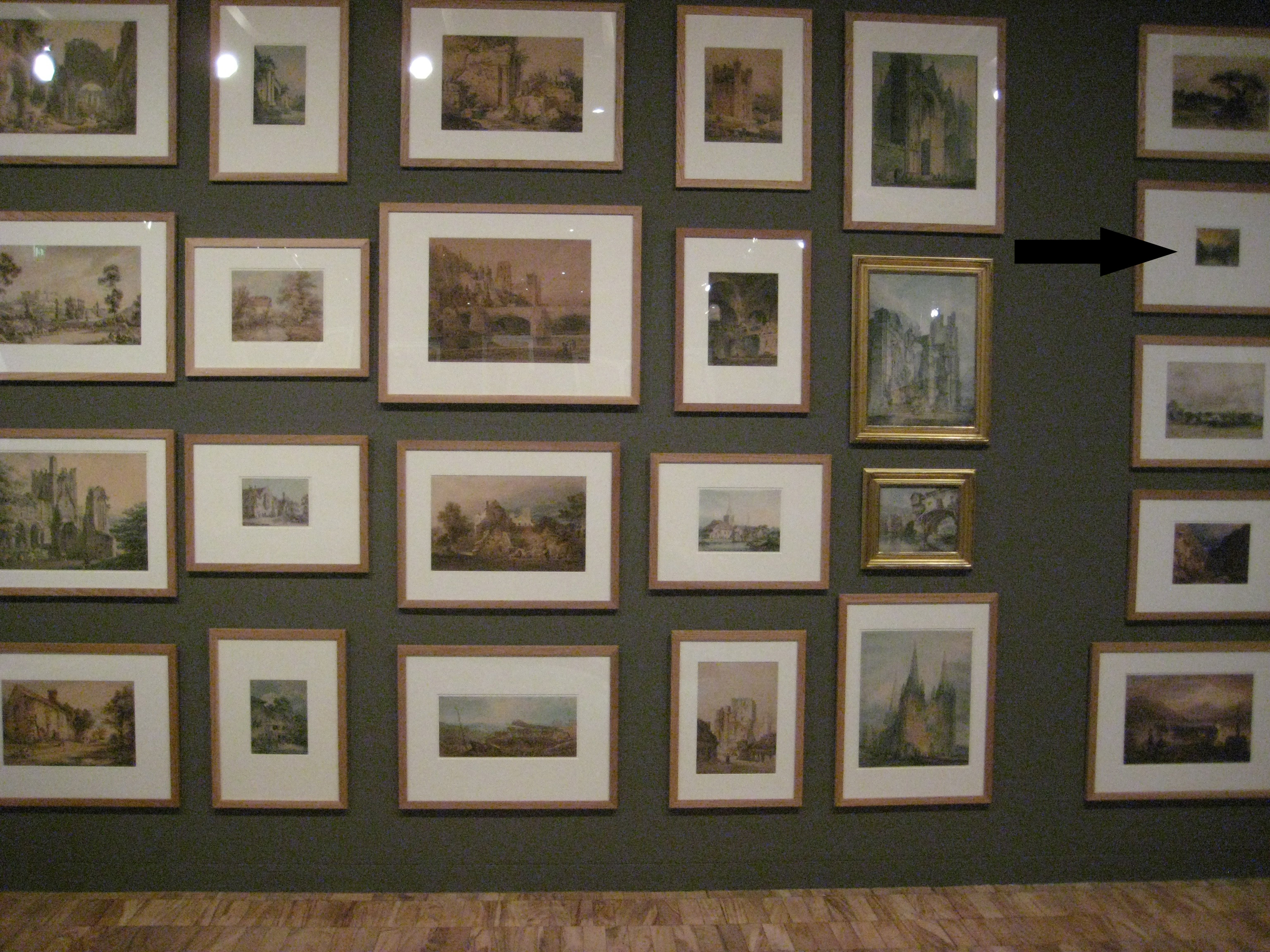
As a picturesque ruin, it has attracted the attention of artists over the years and the newly hung exhibition at the Whitworth Gallery in Manchester has William Havell’s view of Cilgerran Castle, probably painted in the early 1900s. Unfortunately the new hanging places some pictures out of reach (and sight) of visitors – even quite tall visitors.

Arrowed Cilgerran at the Whitworth_edited-2

The best we could do (and it’s not good) was from our 6ft tall photographer, who held his phone aloft and managed to end up with a distorted, but recognisable Cilgerran Castle, with its unusual two massive round towers dominating the river Teifi from its vantage point on the cliffs above.

WP_20150224_001

Posted in Art, History | Tagged , , , | 1 Comment

Welsh traditional costume

Brenda Harries as Welsh GirlHere is Brenda Harries, my father’s cousin, smiling behind a very unhappy little girl seated at the front. The photo was taken in about 1925 and shows the Welsh national costume as it was still worn on occasions. Sorry it’s not in colour!

celebrations-at-fishguard-on-mauretania-day- August 1909 (2)e1414436529640

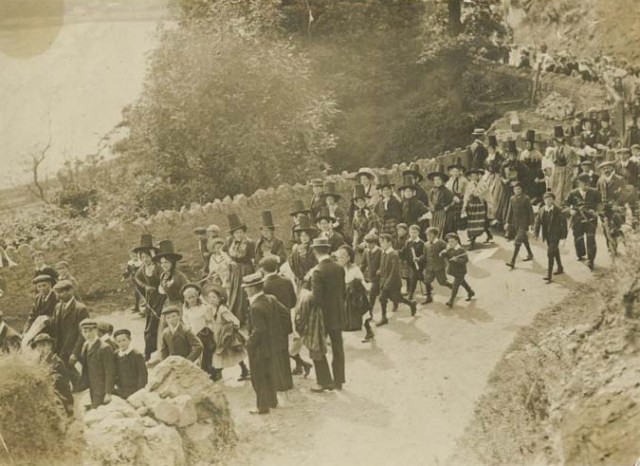
August 1909. The Fishguard residents are walking down to the harbour to see the liner ‘Mauretania’ at Goodwick. See how many of the women in this crowd are wearing national costume.

The costume was traditionally made up of:

Salem_water colour by Vosper_1908

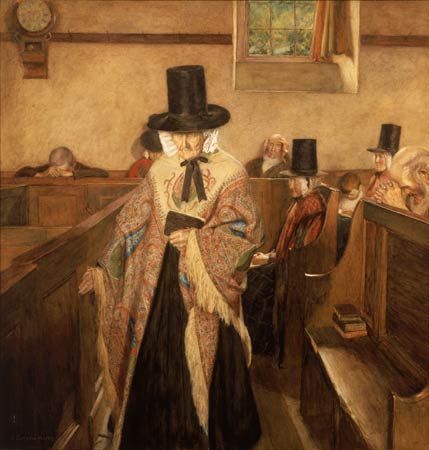
‘Salem’ by Vosper 1908. Lady Lever Collection.

  • a ‘bedgown’ of red, blue or black and white flannel. This was tailored like a coat, of varying lengths, with a tight bodice, but otherwise loose and open
  • a skirt of heavy flannel, often striped, in similar colours
  • a kerchief, usually worn round the neck and tucked into the top of the gown
  • a square woollen shawl  (paisley shawls were expensive and not for everyday use)
  • an apron – white, grey, black or checked
  • a cap – often with folded fabric round the face
  • a tall hat with a broad flat brim
  • a cape with a large hood to cover the hat.

Cousin Brenda lived in Swansea but holidayed in Dinas, as her family originally came from the village. I expect that the paisley shawl was an indication that her family was doing rather well, years before her father was appointed mayor of the town.

Posted in History | Tagged , , | Leave a comment