Full sail on choppy seas

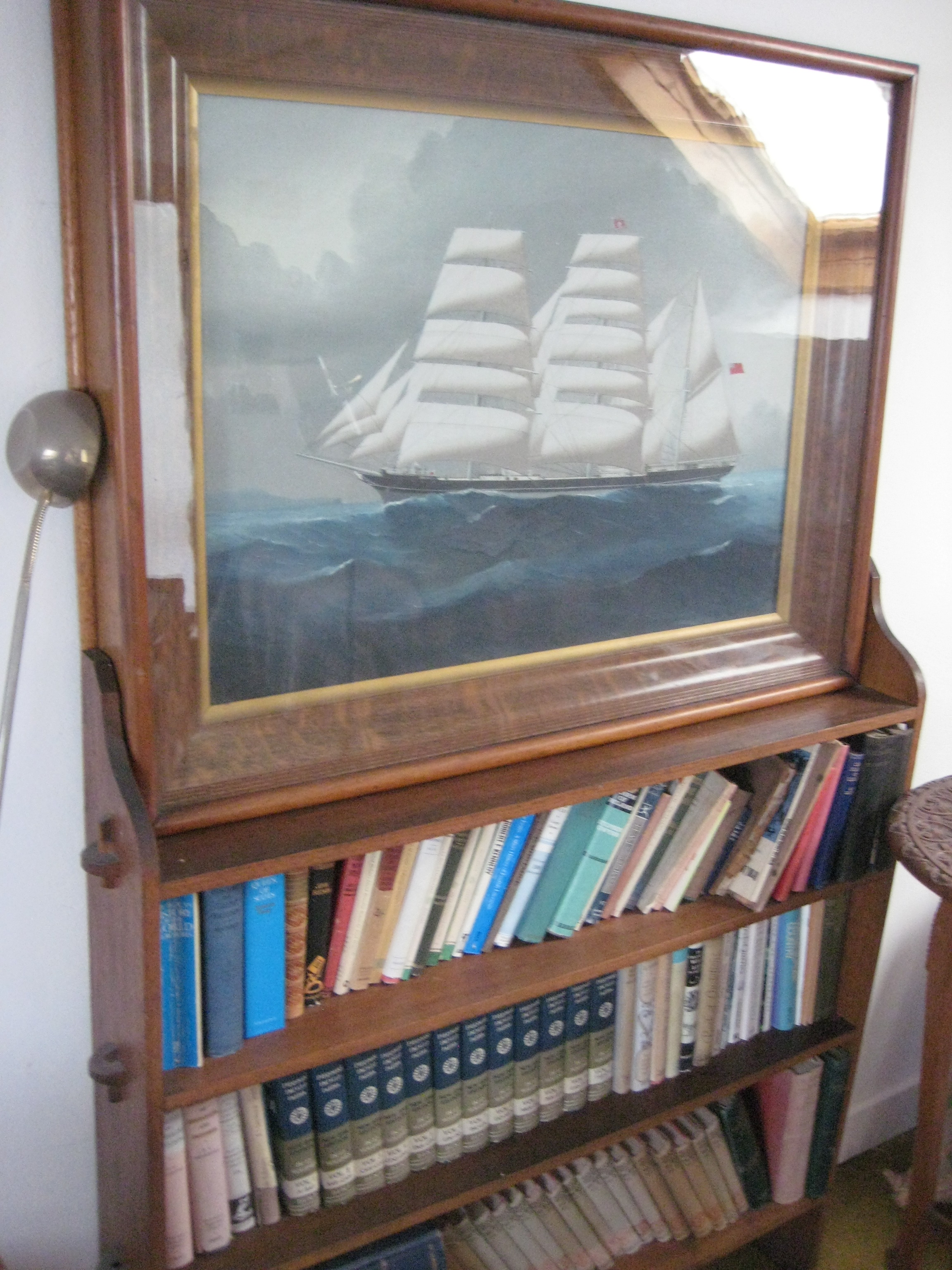
Windrush painting in Eryl

IMG_4622 Windrush in Eryl 2The Windrush, shown here in glorious full sail on choppy seas, was brand new when my father’s Uncle Johnny was apprenticed on board at Bristol docks.  The ship was a three masted barque, built in Sunderland in 1891 and registered there in 1892. Its long distance voyages took it to North and South America as well as Australia until it sank in 1920 after a collision with a Spanish steam ship in the North Atlantic. Five members of the crew were lost.

I don’t know the name of the artist and wasn’t able to examine the painting in detail as it sits in a very heavy frame and is chained to the wall. However, there is a very similar painting in the Pannett Art Gallery in Whitby. That work also lacks information about the artist and appears to be wrongly dated. See here.

I don’t know why our uncle Johnny chose this ship nor if there were other Dinas men aboard but so many of the men from the village went to sea that I expect there was some connection.

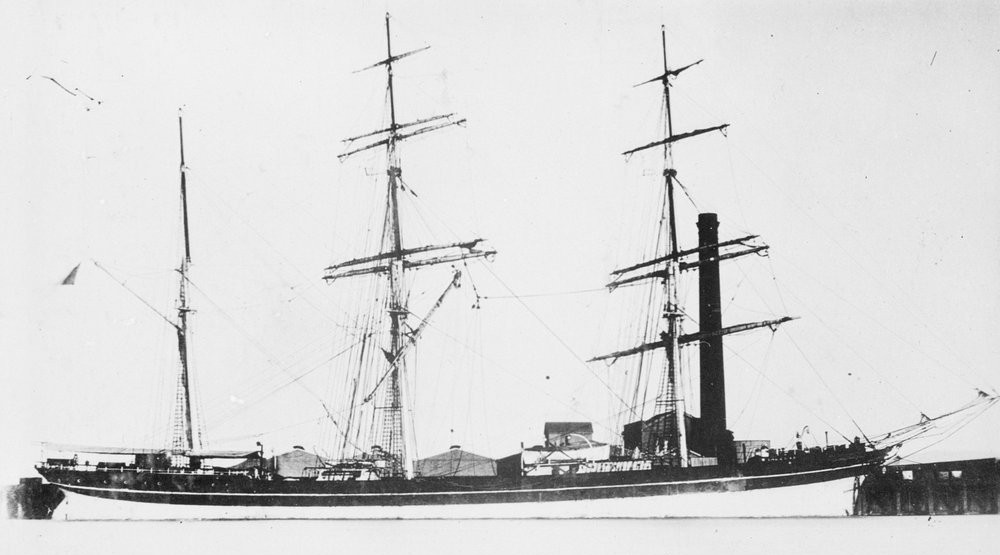
Here is the same ship, sadly denuded and looking very fragile, at a wharf in an Australian port.

Windrush in port


Posted in Art, History, Sea | Tagged , , , | 3 Comments

The old pathways

Pontfaen , Gwaun Valley

Pontfaen, Gwaun Valley. Photo credit Heather Hill

This beautiful path runs parallel to the river Gwaun flowing at the bottom of the valley to the left of the photo.

Local maps show numerous rights of way along ancient pathways, untarmaced roads and tracks. You won’t find many walkers – you may have this wonderful stretch of countryside to yourself.

Posted in History, Nature, Walking | Tagged , , , , , | Leave a comment

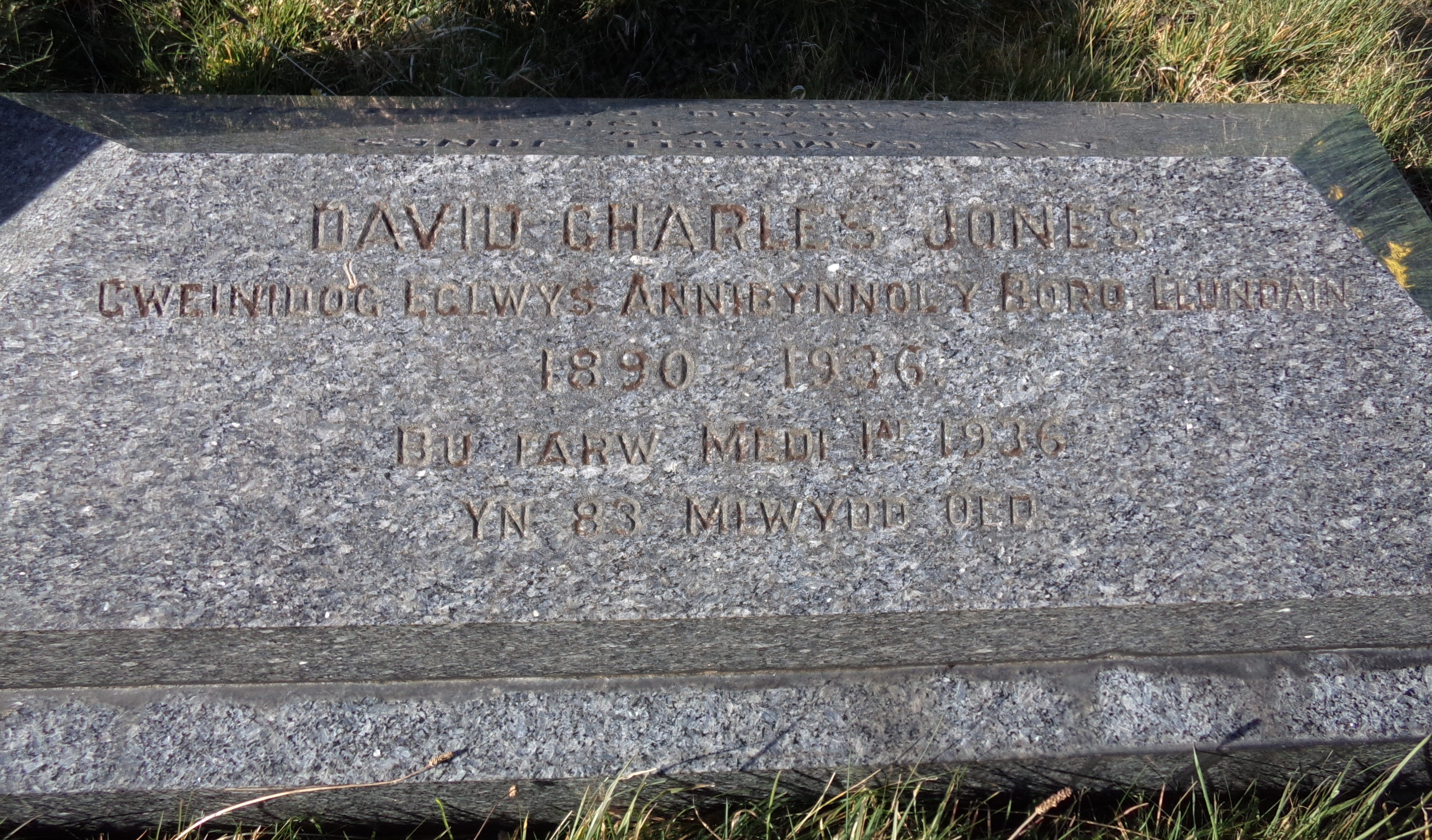
Seeking the person behind the inscription: DAVID CHARLES JONES

D C Jones. Tombstone at Macpela graveyard Dinas

Photo credit Ann Hughes

The Reverend David Charles Jones was not originally from Dinas and indeed Jones is not a common surname in the village. However, he spent many happy holidays in the area and chose to be buried, with his wife and son, in the graveyard of Gedeon chapel.
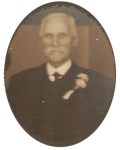
Jones Wedding 1936 oval jpg_edited-1

Photo courtesy of Gareth Jones

If this were an Italian or French gravestone we would no doubt have an enamelled  photo attached to the stone that would tell us something more about him. This photo, taken in 1936 (the year of his death) shows a tall, strong, upright individual and his record as Minister of the London Welsh Borough Chapel for 46 years is that of a sociable, energetic, enthusiast. Under his leadership the chapel thrived. The congregation was large, the programme of social activities was extensive and the chapel choir (led by D C James) won in the National Eisteddfod and made gramophone recordings.

He was clearly a man who did not find it easy to slow down and relax because his summer holiday visits to Dinas were also busy times, but on these occasions he was engaged in a rather more clandestine activity.

During the first decade of the twentieth century the local newspaper published a number of long commentaries on Dinas. The author was ‘Gwynrug’ whose interests included archeology, etymology, history, poetry, religion and a fair bit of local chat and gossip. The identity of the writer was not known locally and it took John Hughes (local historian) some time and ingenuity to finally conclude that the pseudonym belonged to the Reverend D C Jones.

In my opinion ‘Gwynrug’ writes best when he is documenting the recent social history of the village and where his information comes from conversations with the older inhabitants.

Cwmyreglwys was a flourishing village in the eighteenth and nineteenth centuries. The coast then was full of sloops, schooner, and bigger ships which laid up over the winter, and the sailors spent winter at home fishing and working slates in the rocks. In Cwmyreglwys they then made their own ropes, nets and creels. From the graveyard gate up alongside of the brook the place looked like a large ropeyard. The sailors played ball against the end wall of the Court in the graveyard, and smaller boys played ball against the north wall of the church. The village was resonant with life and play. The people made their own candles, brooms, baskets, spoons, ladles, clogs, moletraps, wool combing and spinning, collars for horses, barrows, carts, and almost every article used was home-made. In January the people of Cwmyreglwys gathered seaweed in order to manure their gardens with it. They also carried tons of it to the fields of surrounding farms in which they grew their potatoes. 
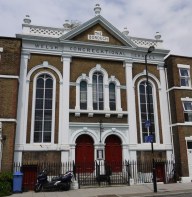
The Borough Welsh Congregational Chapel (5)I don’t know if D C Jones had any family connection to Dinas; maybe his wife’s family came from the area. We, however, definitely do have a family connection with this interesting man, because, in 1936, he celebrated the marriage of my father’s sister to James Jones in the Boro’ Chapel, bringing another Jones family to Dinas.

His death, in London in September 1936, was followed by a funeral service at the chapel. The coffin was then taken to Paddington station, where, as was traditional, hymn singing on the platform accompanied the start of his final journey back to Wales.
Posted in History, Religion, Welsh language | Tagged , , , , | 1 Comment

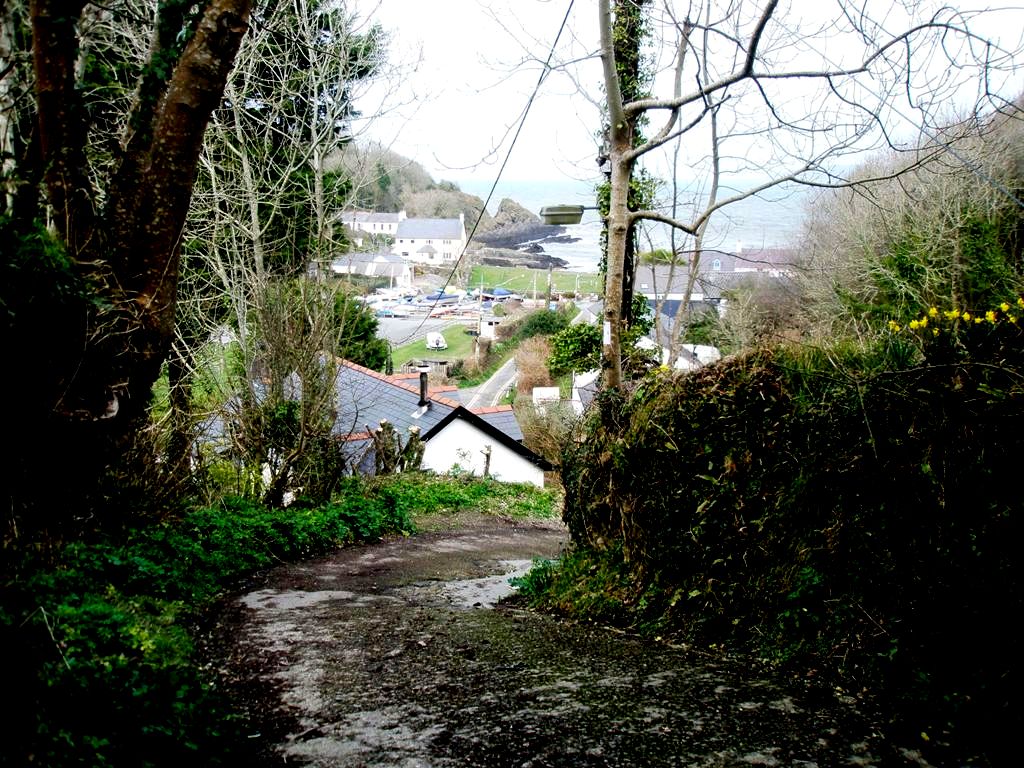
From Tegfan to Cwm yr Eglwys on the old road

Photo credit Gareth Jones – March 2015

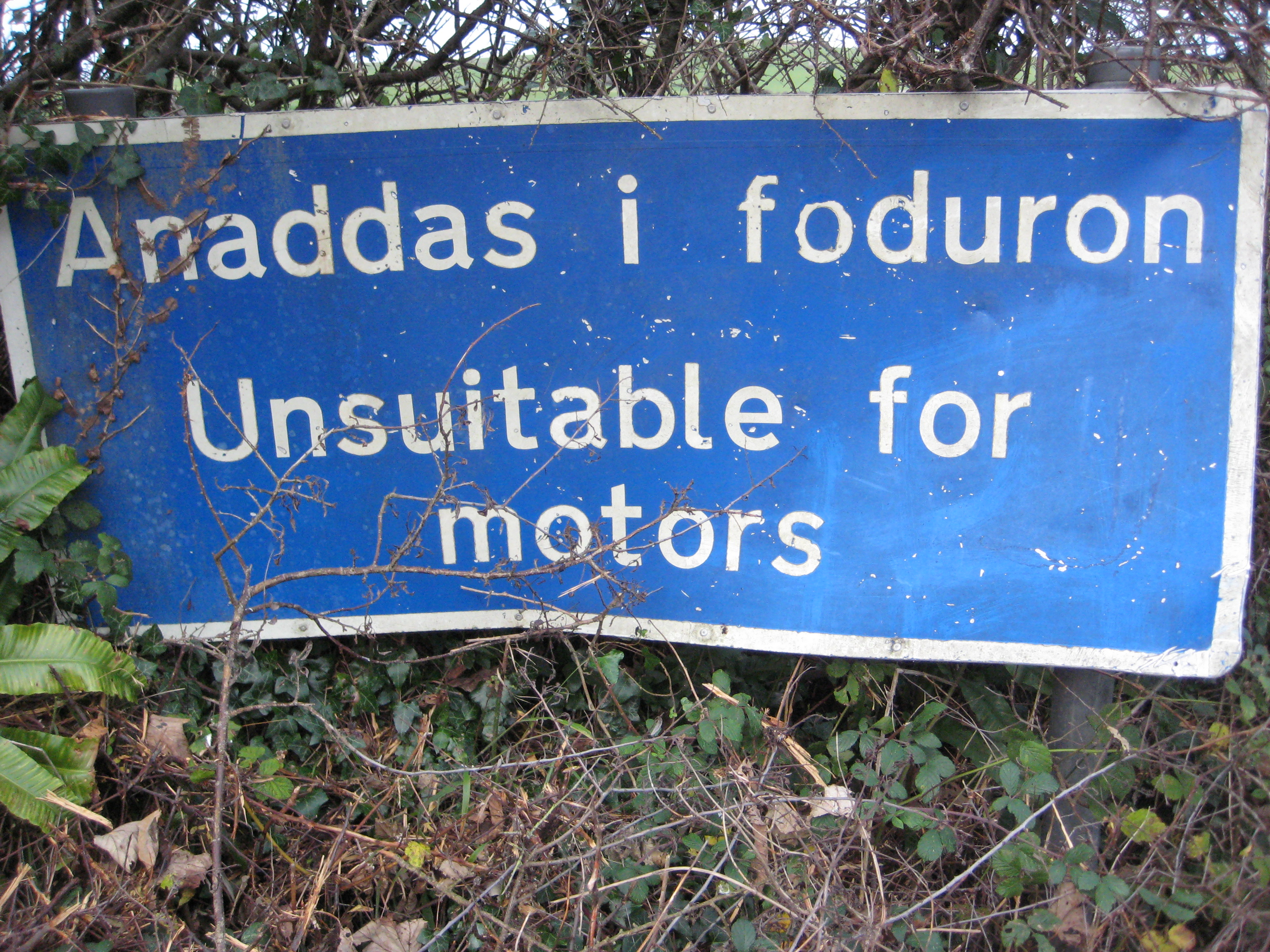
If you plan to walk from Tegfan to Cwm yr Eglwys, it will take you about 10 minutes along this road. Walkers don’t expect traffic here; they’ll be admiring the wild flowers in the hedgerows (more of that another time) or walking several abreast with their dogs along a road that has been reclassified as a path.

Anaddas i foduron - unsuitable for motors

Where there is soil below, the grass is growing through the tarmac. Where there is no soil, the tarmac has worn away completely to reveal the rock underneath. The downward slope must be steeper than 25% where the road bends to take you to the houses at the bottom. If you really want to drive to Cwm yr Eglwys there is a proper road from the A 487.

openstreetmap amended

Copyright – openstreetmap


Posted in Walking | Tagged , , , , , | 1 Comment

Buying an ancestor on ebay

I expect that there are many Welsh people who can claim a place for Lloyd George on their family tree if they extend their investigations back and sidewards far enough. I believe that our family can claim him too and my very first purchase on ebay will allow us to have his photo on the wall at Tegfan.

This plate dates from 1915/16 when he was Minister for Munitions but the back of the plate won’t be generally visible and we may want to remember the only Welsh Prime Minister (and our distant cousin several times removed) for the Liberal reforms that led to the creation of the welfare state.

Posted in History | Tagged , , | Leave a comment

One eisteddfod (eye-steth(e)-vod) Two eisteddfodau (eye-steth(e)-vod-eye)

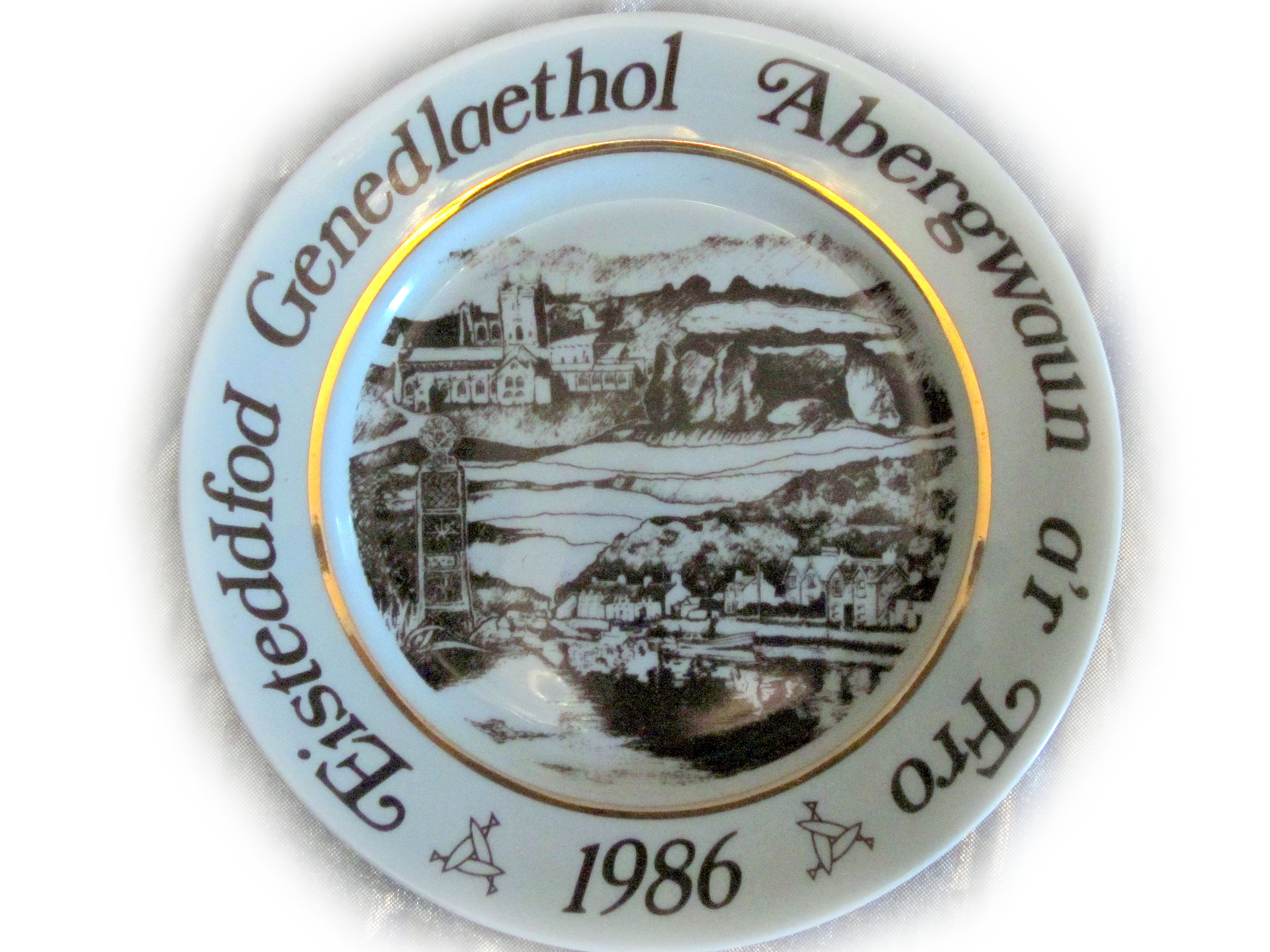
Fishguard eisteddfod plate

This plate* depicts local landmarks: Nevern Cross, St Davids Cathedral, Pentre Ifan burial chamber and Lower Town Fishguard, where the estuary of the river Gwaun gives rise to Fishguard’s Welsh name – Abergwaun

Every big national event spawns a plate – probably several – and the coming of the National Eisteddfod to Fishguard, our local market town, in 1986 was a big event to be celebrated and remembered for more than just the rain and the sea of mud in the festival field.

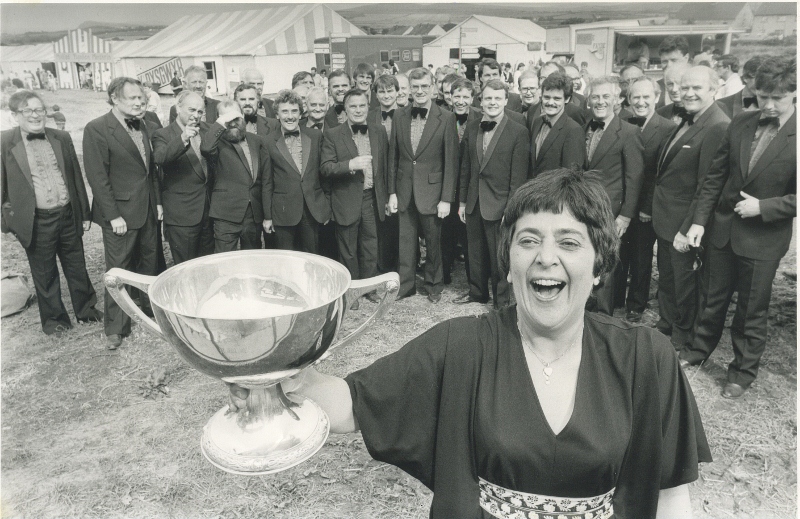
Here, for example, is the Gwalia Male Voice Choir, a London Welsh group that won a cup in the Fishguard competition with its conductor, Wendy Halden.

y-national eisteddfod 1986 800x519 - copy

The National Eisteddfod’s eight-day programme of competitions in Welsh language poetry, song, dance and music is one of the largest and oldest festivals of its kind in Europe. The first recorded Eisteddfod was a meeting of Welsh artists at the court of Rhys ap Gruffydd of Deheubarth in Cardigan in 1176 but the tradition of an annual event was established in the mid 19th century. Its venue has since  alternated between North and South Wales.

Gorsedd_circle,_Penslade,_Fishguard_Humphrey Bolton-_Abergwaun_-_geograph.org.uk_-_1037228

© Copyright Humphrey Bolton and licensed for reuse under this Creative Commons Licence.

The National Eisteddfod ceremonies require a circle of stones, which Fishguard already had since first hosting the event in 1936.

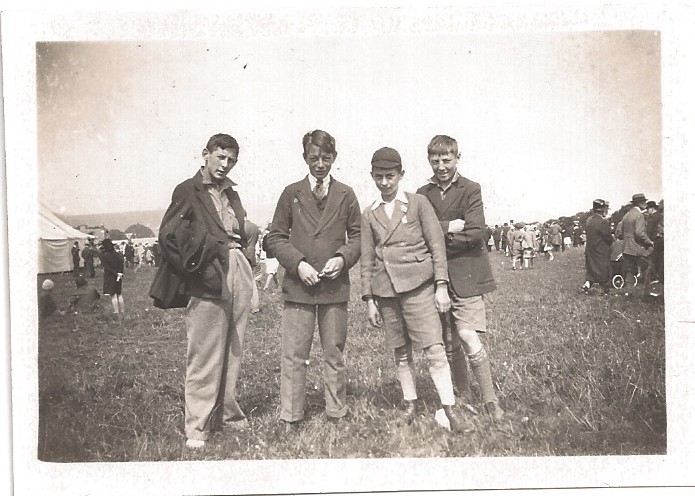
I don’t have a commemorative plate to show you from 1936, but here is something better. There is nothing written on the back of this photo to help me identify the young men, nor the location but I suspect that it was taken at the 1936 Eisteddfod in Fishguard.

From the left: David George Walters, Jimmy Harries (Castle Terrace), Unknown Friend (can anyone identify him ?) and Evan Glyn George (David George’s cousin).

Glyn George and David George Walters in Dinas

Everyone seems very well wrapped up for the first week in August, but the grass looks dry, the sky looks bright and maybe the boys are even squinting a bit into the sunshine.

*Photo courtesy of Ann Hughes.


Posted in History, Welsh language | Tagged , , , , , , , | Leave a comment

On your marks, get set, don’t leap into the void!

This first photo shows the side view of Tabor: a lovely chapel, cherished by a dwindling congregation that manages to maintain the building, with its precious links to Dinas’ history and emotional ties to past generations. The chapel, with its wall and railings, is one of over 20 listed buildings in Dinas, along with some interesting houses,  a pigsty and a lime kiln. And, as Dinas is not a high-rise area, I’d say that Tabor is probably the tallest building in the neighbourhood, so you won’t miss it as you drive by.

Posted in History, Religion | Tagged , , , , , , , , , , | Leave a comment

Anyone for tennis?

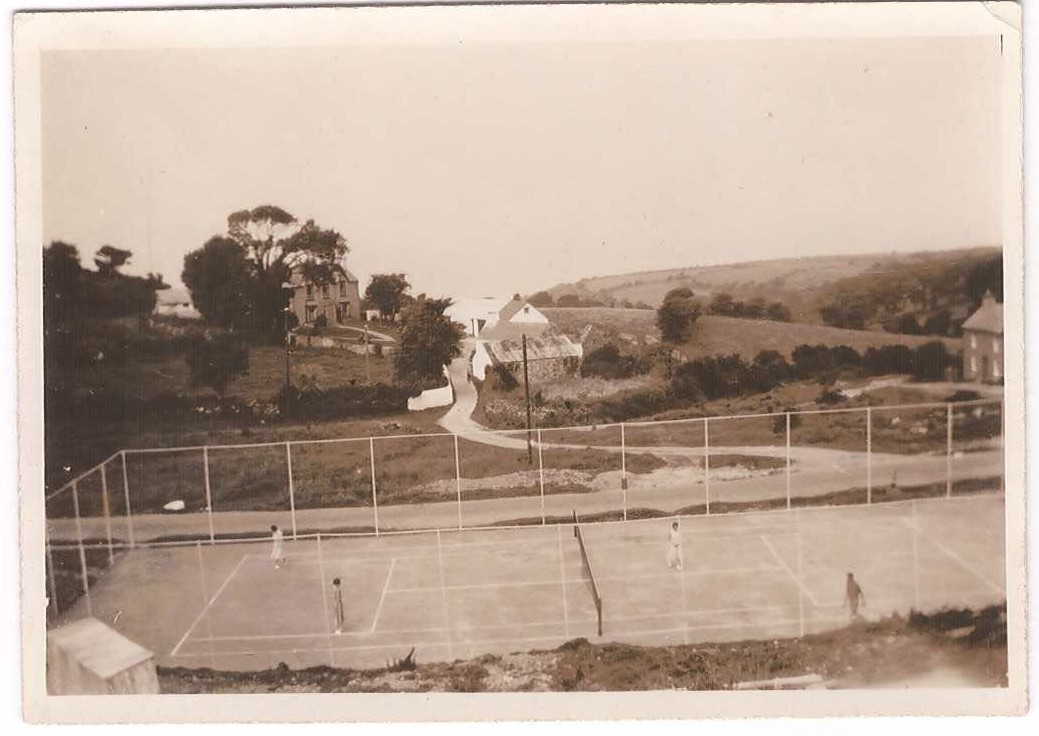
The tennis court has existed in Dinas for at least 80 years. I don’t know how it came to be there and would be very interested to hear from anyone who knows.

Dinas Tennis Court 1930s

In spite of the evidence in this old photo, I can assure you that the ground has no obvious tilt and the side netting, tarmac surface, tennis net and specially designed bench are all still well looked after and fantastic value at £2.50 an hour.

If you have read the Sports page on this site you’ll know how proud I am that donations and volunteers from Dinas have managed to maintain this court over so many years.

Posted in History, Sport | Tagged , , , , | Leave a comment

Why have I got this photo?

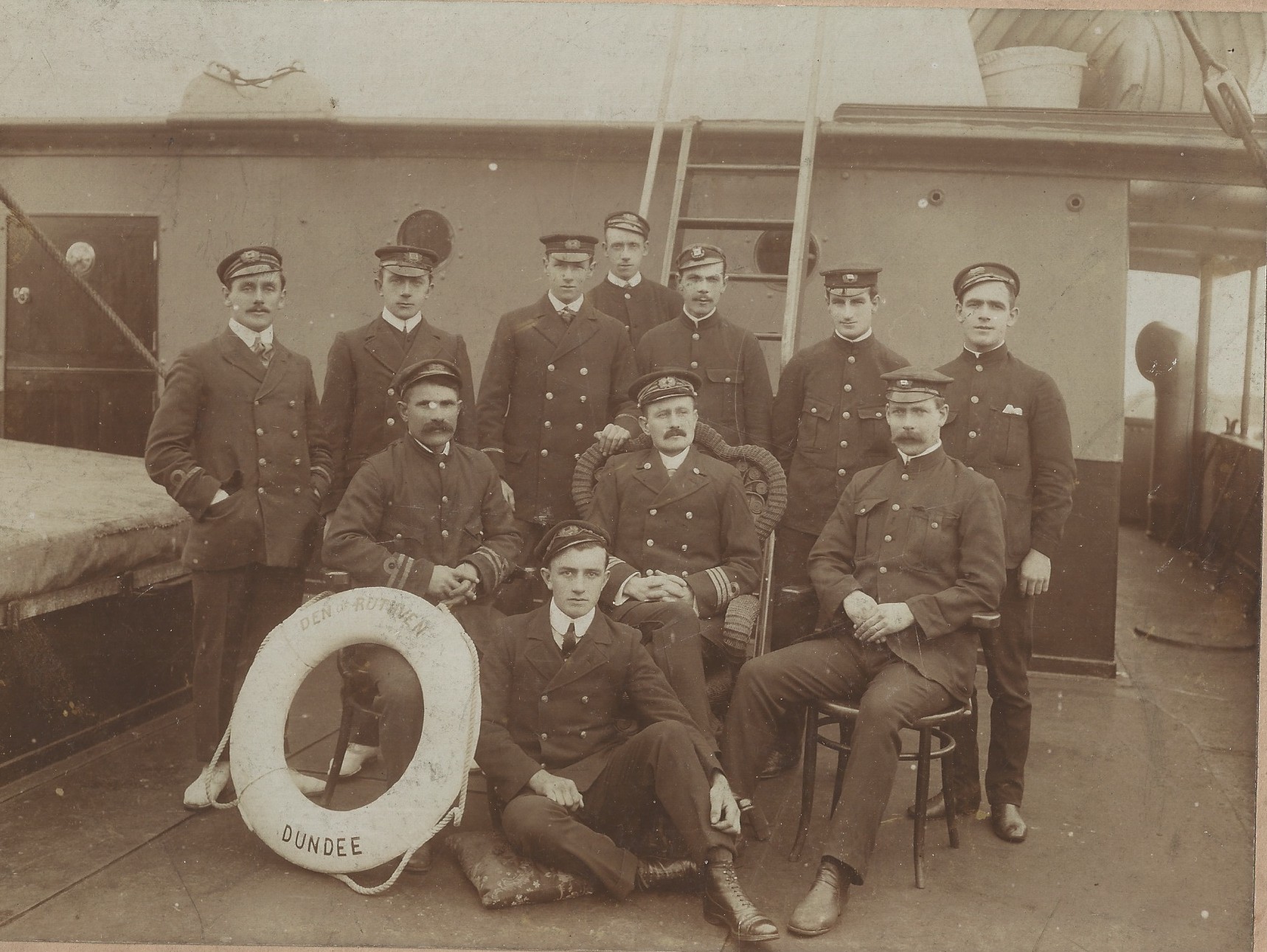
SS Den of RuthvenMy grandfather had a moustache and was a sailor for seven years. I had therefore assumed that this photo of moustached young men on a ship included my grandfather, Evan George. It was, after all, filed in the family-photos box. However, today, I looked closely at these crew members and have come to the conclusion that none of them is my grandfather – not even the one with the photographic blob on the bridge of his nose, who resembles him a bit. What’s more, the name of the ship is not familiar. So why have I got this photo, originally mounted on a large thick board but now roughly cut away to a more manageable size?

I have now discovered that the SS Den of Ruthven was built in 1907, some years after Evan had abandoned his career as a sailor, so I have to assume that our family has some other connection to these young men.

The Royal Maritime Museum at Greenwich includes among the crew list of 1915:

  • Ezes (probably should be Ezer) Owens; rank/rating, Master; age, 40; place of birth, Dinas Cross; previous ship, same.

Come on Dinasites (as the County Echo used to call the inhabitants of Dinas), I challenge you to recognise this Owens and claim him for your family trees!

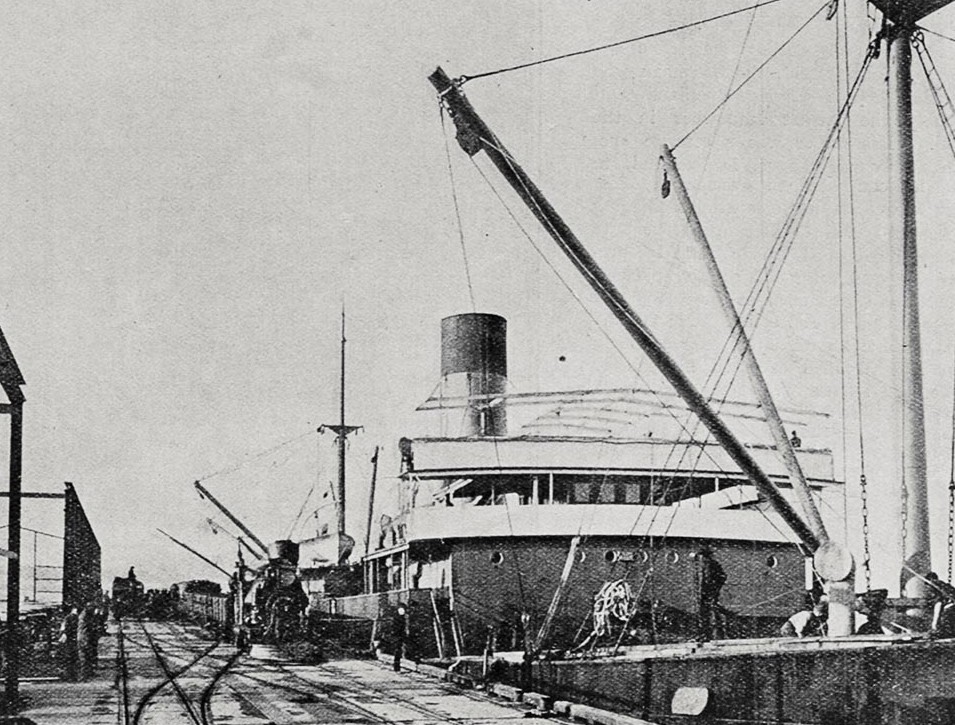
The SS Den of Ruthven unloading a cargo of Oregon Pine at the New Railway Wharf, Aukland, New Zealand. (Photo courtesy of Sir George Grey Special Collections, Auckland Libraries.)

The SS Den of Ruthven unloading a cargo of Oregon Pine at the New Railway Wharf, Aukland, New Zealand., 30th July 1908. (Photo courtesy of Sir George Grey Special Collections, Auckland Libraries.)

Please acknowledge ' Sir George Grey Special Collections, Auckland Libraries

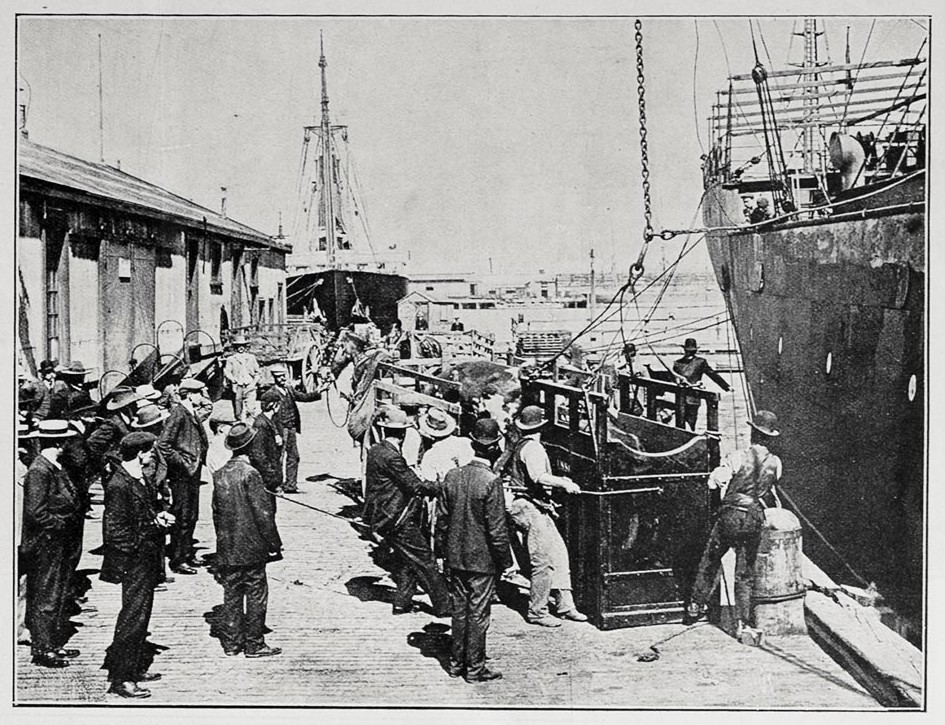
Shipping stud cattle at Aukland for Honolulu by the SS Den of Rothven, December 12th 1908.(Photo courtesy of Sir George Grey Special Collections, Auckland Libraries)

Posted in History, Sea | Tagged , , , , , | 2 Comments

A rare sight

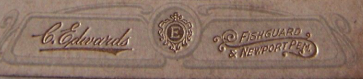
Before about 1930, our family photos were formal and posed. They commemorated significant family occasions and entailed a visit to Edwards of Fishguard and presumably some considerable expense.

C Edwards photographer - Fishguard

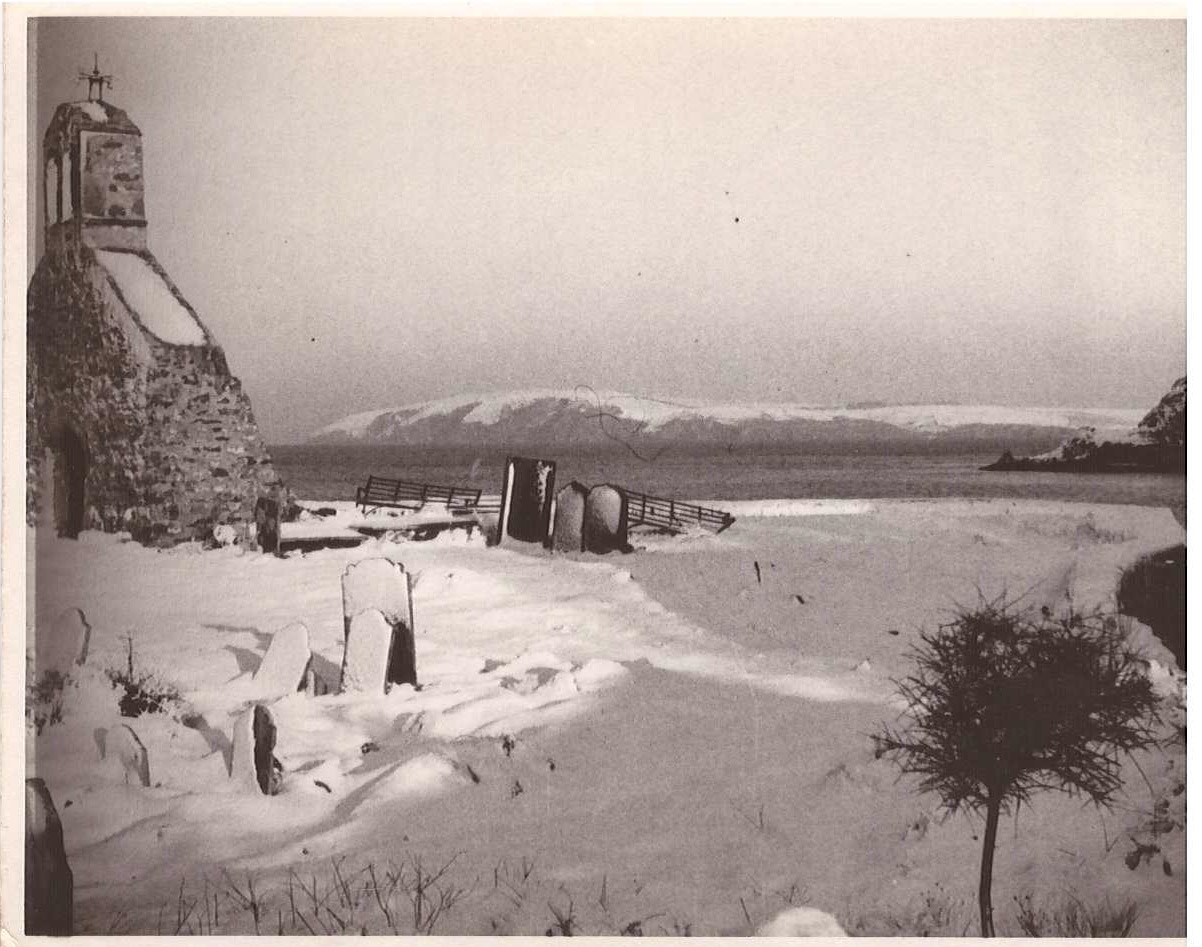
Then someone acquired a camera and began to take ‘holiday snaps’ and photos of special and unusual events: snow in Cwmyreglwys, for example. According to the Met Office, Pembrokeshire can expect snow  only rarely – typically one day in December, one day in February and one day in March. This heavy snowfall justified a photo and here it is.

CwmyrEglwys under snow. C 1930?


Posted in History, Nature, Sea | Tagged , , , , | Leave a comment

The Glance of Swansea at Hobart Australia – with men from Dinas aboard

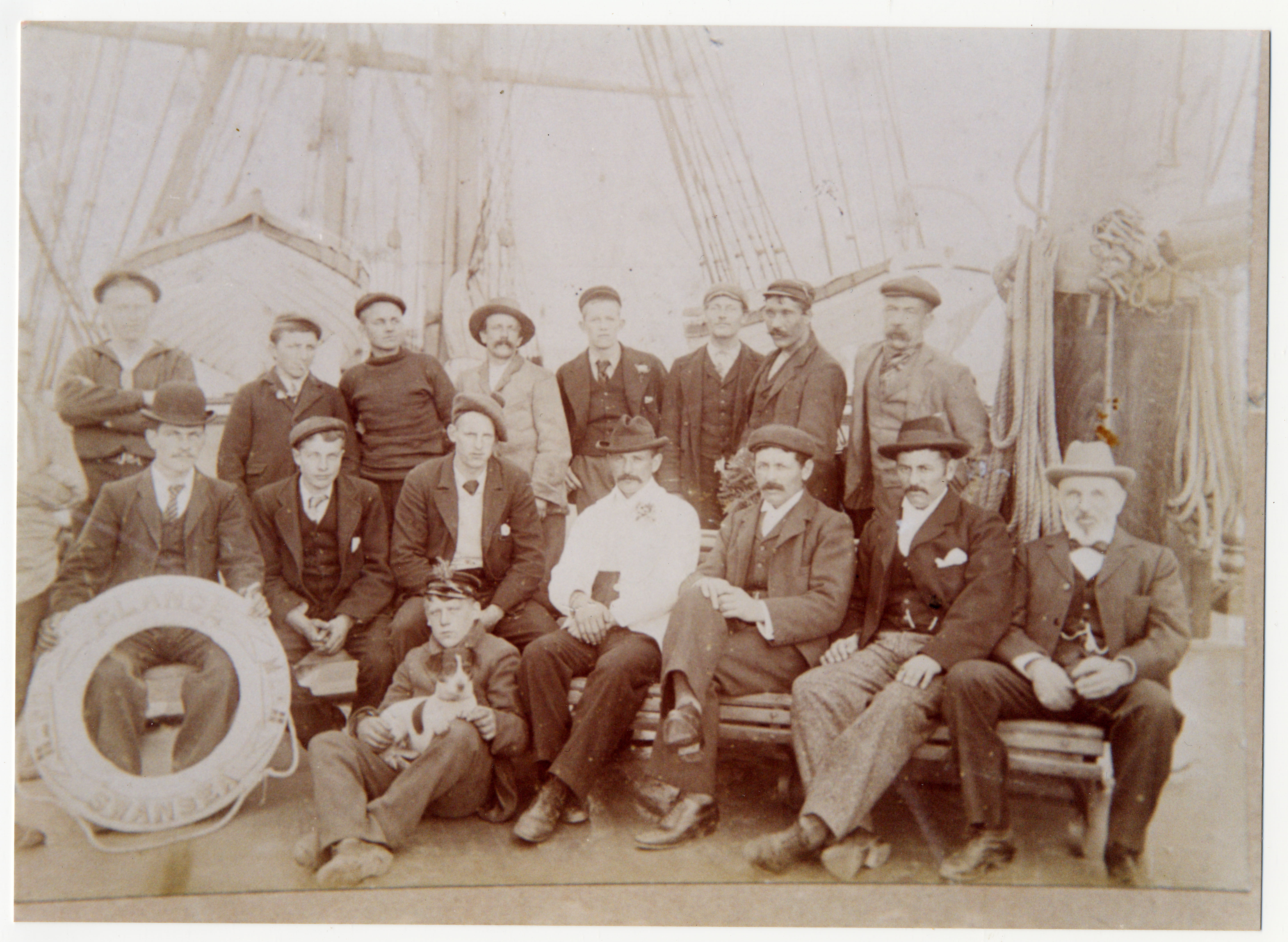
The Glance of Swansea

This wonderful, undated* photograph was taken at Hobart, Tasmania and was found in Dinas Cross but the identity of the Master and crew is not known. A Captain David Thomas born 1854 in Dinas Cross was Master of the Glance in 1892 and possibly until 1900, covering the entire period that my grandfather, Evan George, was apprenticed and then employed as able seaman and finally ‘bosun’ on board that ship.  My grandfather left the ship when he realised that his colour blindness would prevent him furthering his career at sea but the Dinas connection continued beyond his captain and  Captain J.W. Thomas of Pentre, Dinas Cross was Master of the Glance in 1900.

The ‘Bosun’ had particular responsibility for the cordage and rigging and I’m impressed to see, in the background, the enormous quantities of rope that my grandfather had dealt with. My grandfather passed on some of his knowledge of knots to my father (who was otherwise not a very practical person) and he, in his turn, made sure that I knew the usefulness of a round turn and two half-hitches before I started primary school.

The Glance was a 3-masted iron barque of 861 tons and had been built at Sunderland in 1869. It was owned by George H. Meager of Swansea and brought the last copper ore cargo into Swansea in 1902. I don’t know what happened to the ship in the end but she seems to have survived a stranding in the strait between Tasmania and Southern Australia in 1876.

Glance. Cutter. Stranded at Brandy Creek, Three Hummock Island, western Bass Strait, but was refloated with the assistance of the crew of the Falcon, wrecked there a few days earlier on 6 October 1876.
http://oceans1.customer.netspace.net.au/tas-wrecks.html

I hope that this wonderful photo, in which even the dog is posed and alert, will stir some memories. Does anyone recognise any of these gentlemen? 

*The Sunderland Site, page 124, lists the owners of The Glance as follows:W. Pellier of London, later (1870 & 1880) William Pellier of St. Helier, Jersey, later (1890 & 1900) George H. Meager of Swansea. Our photo shows Swansea as the Home Port so it can’t have been taken before 1880.

(With many thanks to Reg Davies and Roy Davies for the photograph and information about the ship.)

Posted in History, Sea | Tagged , , , , , , , | Leave a comment

Solva Woollen Mill

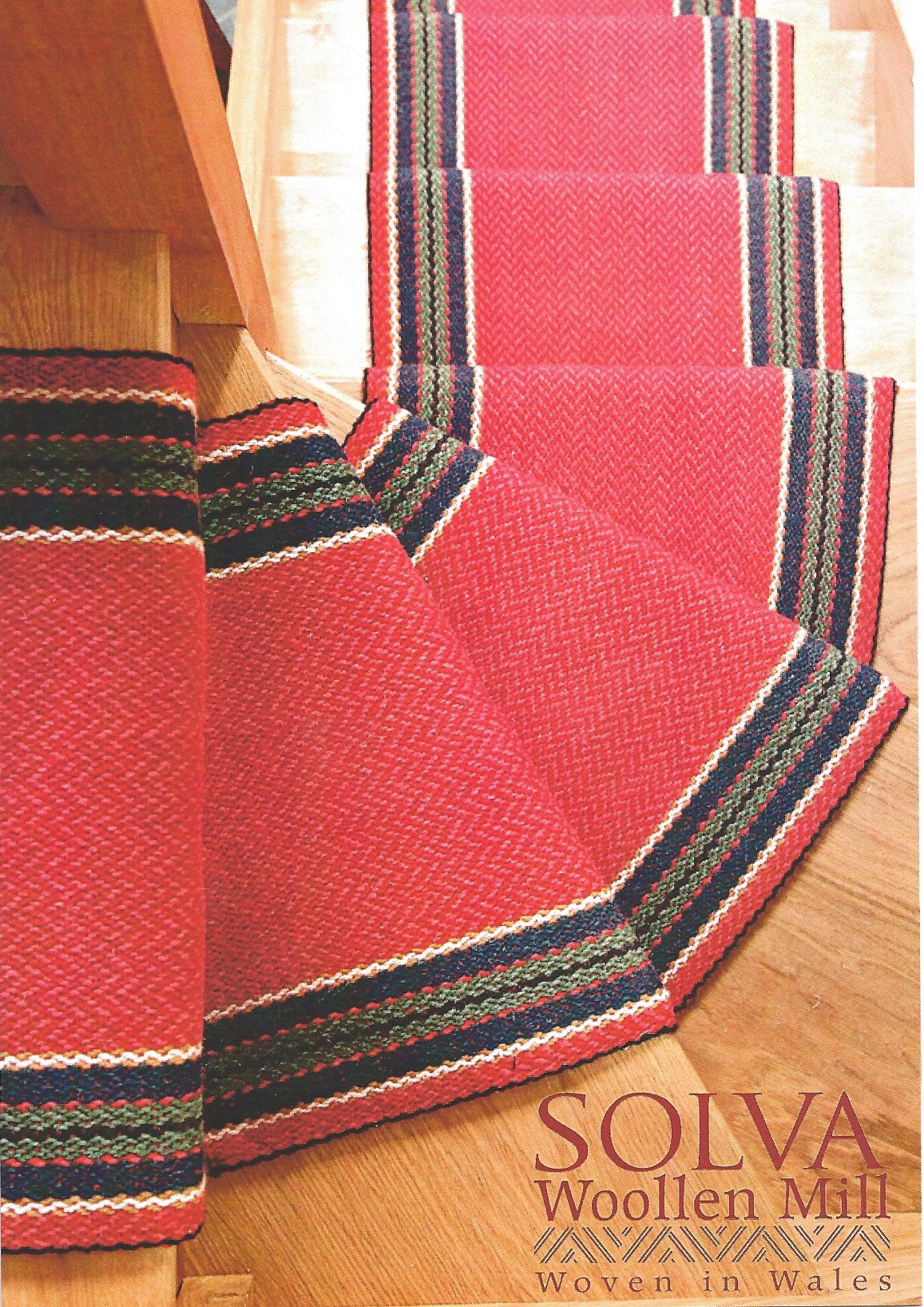
Solva Woollen MIllSolva Woollen Mill, established in 1907, claims to be the oldest working woollen mill in Pembrokeshire but Tregwynt Woollen Mill, not far up the coast, has been run by the Griffiths family since 1912 and is a close contender. What’s not in dispute is that they are both wonderfully interesting places to visit: tiny enterprises offering beautiful woollen goods, lovely shops, welcoming staff and a showpiece for industry in rural Wales. Incidentally they both have cafes with good food, where you can think about what to buy or admire what you have already bought.

What makes Solva particularly interesting is its unusual specialisation in weaving flat rugs and runners. I love the richness of the fabrics and the plainness of the designs with the herringbone patterns that are a felicitous reminder of the importance of the herring catch to the local coastal economies.

The mill also has an interesting, well documented display of old weaving machinery and an area where you can watch the weaving as it happens. It’s noisy, dusty and mesmerising.

The mill will design to individual requirements. If you want them to use your own sheep’s wool, take it along. If you’ve got your own design in mind they’ll probably be able to accommodate it. There is an example of their work in Philadelphia at the site of The Liberty Bell and, closer to home, the wonderful Landmark Trust uses their rugs in their tireless search for historical and cultural authenticity when furnishing their buildings.

Posted in Crafts, History | Tagged , , , , , | Leave a comment