Part 1: Inasmuch as ye have done it unto one of the least of these my brethren, ye have done it unto me

My next posts will be published one a day during this week so that I can share with you our research into a puzzling list of names on a gravestone in Nevern. I’ll be writing of the lives of the ladies that are listed and the circumstances that brought them to Nevern during the Second World War.
At 9.15 on 20th September 2015 St Brynach’s Church will be marking the 75th anniversary of the Battle of Britain and the names of the thirteen elderly evacuees will be read out as part of the church service.

nevern-evacuees

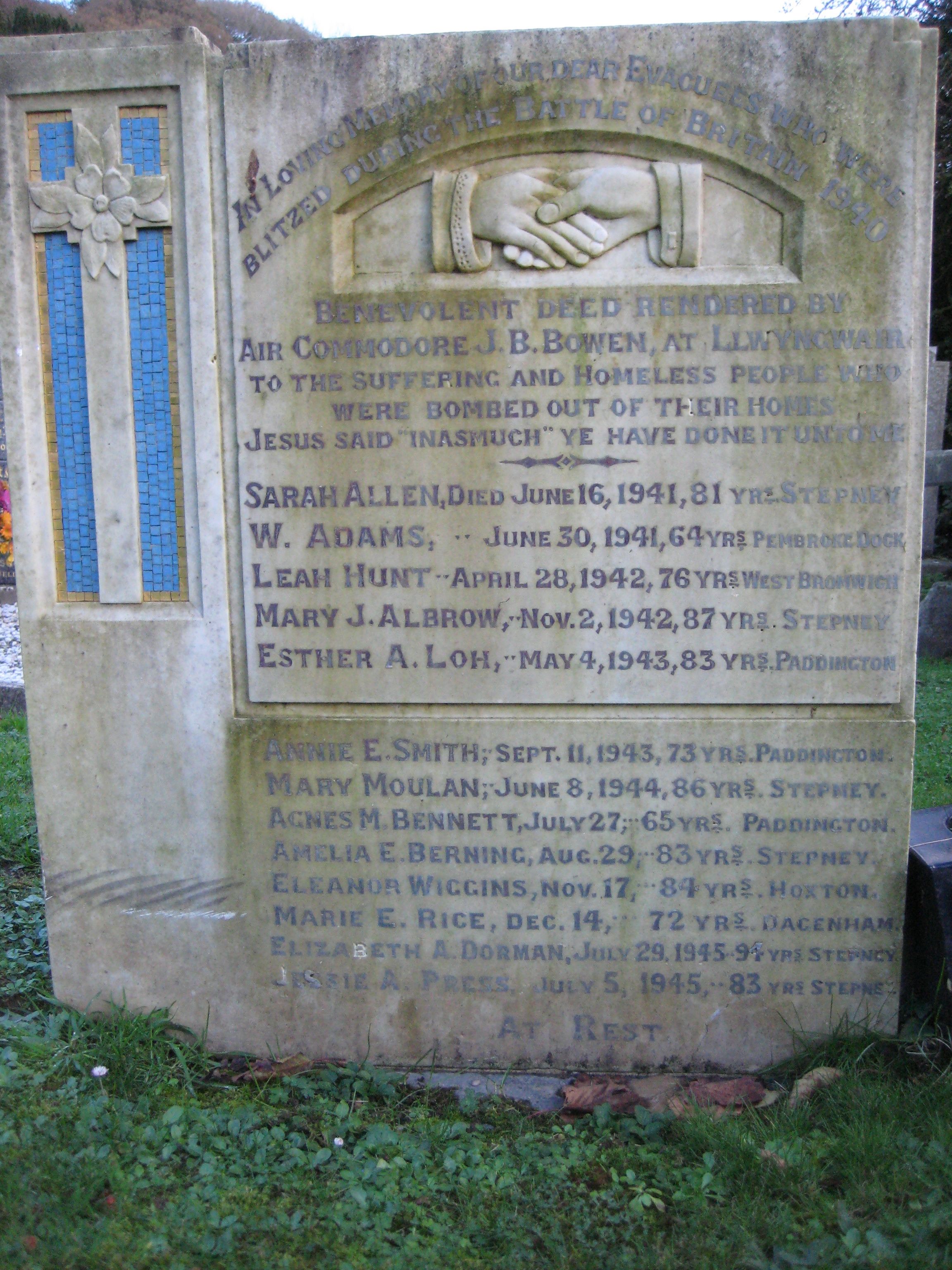
“In loving memory of our dear evacuees who were blitzed during the battle of Britain 1940.

Benevolent deed rendered by Air Commodore J B Bowen at Llwyngwair to the suffering and homeless people who were bombed out of their homes.”

This headstone, in Nevern’s new churchyard, lists the names and ages of the thirteen ladies, who are mainly from London. Like a war memorial the names are connected by circumstance rather than family relationship but there are few clues as to how these ladies came to be buried here.

The first time I saw the monument I was interested and puzzled. The wording is affectionate rather than formal and the handshake charming but it has taken some research to find the story behind the inscription. The search has taken us along many blind alleys but thanks to the skills and persistence of Heather Hill (a family historian who shares my connection to Dinas) we have made some exciting discoveries and found answers to some of our questions. We have been in touch with some of the families, found and shared photos and delighted in the generosity and enthusiasm of strangers.

There’s still a lot more to discover, however, about these ladies who died so far from home.

The owner of the cuff-linked wrist was not difficult to establish (see ‘Our Blue-eyed Boy’)
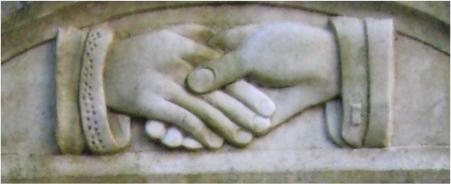
handshake from Llwyngwair memorialbut who wore the cardigan?

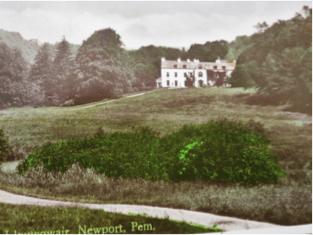
Llwyngwair postcardPriscilla Evans, a church warden at St Brynach’s Church, put us in touch with the Air Commodore’s daughter, Christina Woodhead (née Bowen), who now lives in Australia and has memories of Llwyngwair during the war years. She told me that the Salvation Army had established a centre for elderly evacuees at Llwyngwair, following her father’s offer of the use of the family’s ancestral home.

I had thought that evacuees were, by definition, young children. However, I discovered that in November 1940, in response to questions from two labour MPs, Dame Florence Horsburgh, minister in charge of the evacuation of children, had wriggled her way through accusations that the government was promising out-of-town accommodation for the elderly homeless and failing to deliver.

The evacuation of all elderly people as a general class would not be practicable in view of the very special problems of accommodation, care and maintenance involved. My right hon. Friend is, however, anxious to provide such further facilities as may be practicable with the assistance of voluntary organisations and the local authorities, though it will be appreciated that the amount that can be done will be limited by the accommodation available.”

Our elderly evacuees were in the small category that received help in the manner envisaged – a happy co-incidence of a benevolent land owner and a dynamic, capable charity.
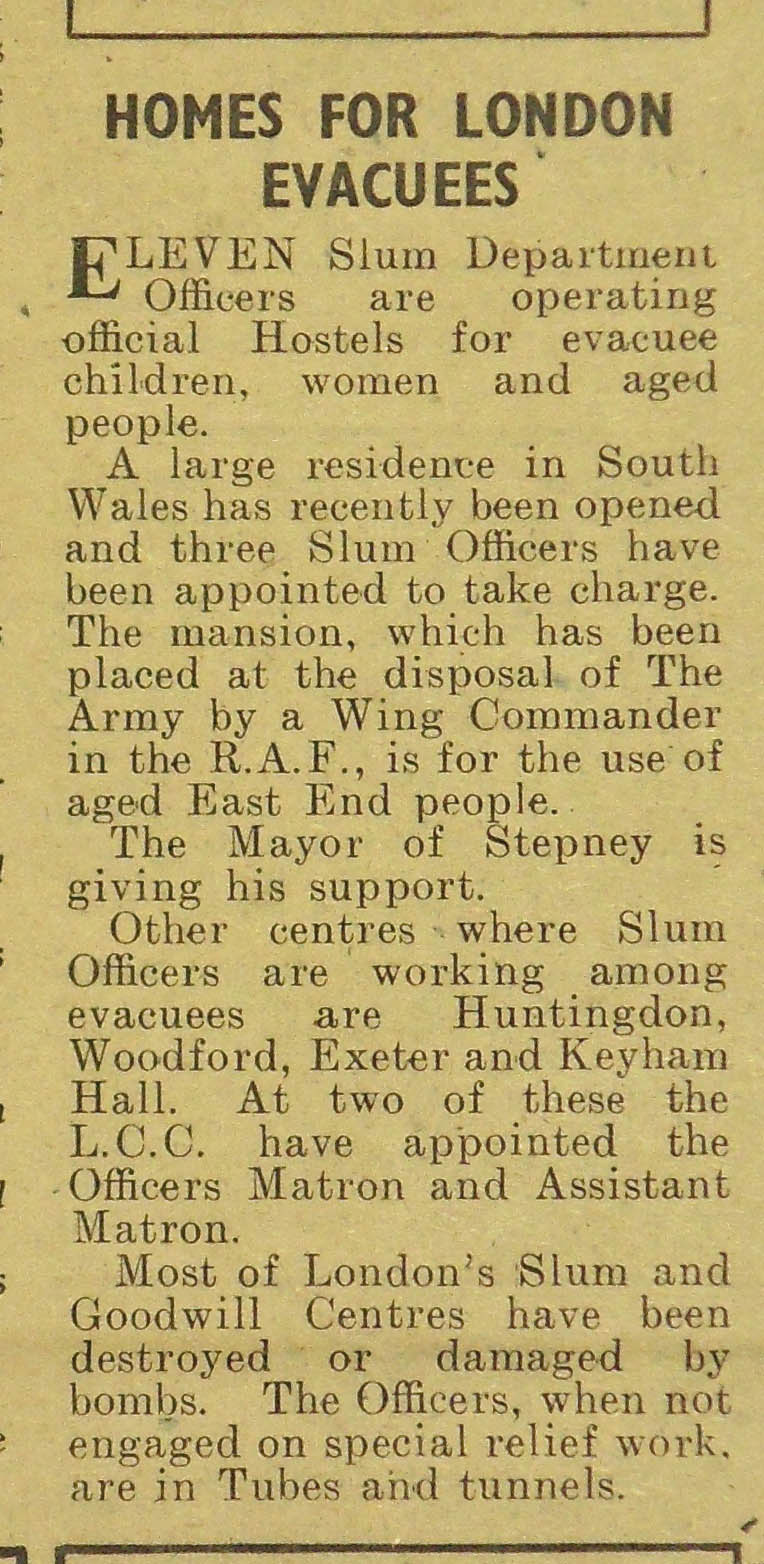
War Cry 28th Decvember 1940

War Cry 28th December 1940

The Salvation Army’s extensive work in the East-end of London was based in ‘Slum Posts’ many of which were bombed during the war, leaving no records to help us. The only names we have, therefore, are those on the gravestone. Did any of the ladies return home and tell their families about their experiences as evacuees? If they did, they are unknown to us. However, there are 13 names on the gravestone and the largest group photo we have found includes only 11 residents. Did none of the evacuees return? Did Llwnygwair stay open until the last of the them, Jessie Press and Elizabeth Dorman, died in July 1945? We know so little.

The nearest Salvation Army Centre to many of the evacuees was the Shadwell Slum Post at 34, King David Lane which did not survive the war.  I’m very grateful, therefore, to Trevor Smith who put me in touch with Ruth Macdonald, Archive Assistant at The Salvation Army International Heritage Centre. Her research has given us a contemporary reference to Llwyngwair in ‘War Cry’ and an introduction to two of the Salvation Army officers who worked there.
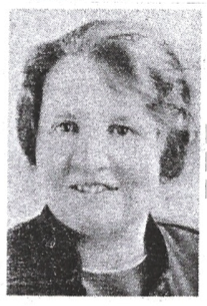
Eva Prust

Brigadier Eva Prust had previously worked at the Shadwell Slum Post in Stepney and seems to have had just the right temperament for the job.

Her life was spent in love and service of others, she worked hard and consistently – manifesting a kindly and loving nature which was a source of inspiration and encouragement to other people… (She) enjoyed singing, possessed a cheerful disposition and maintained a pleasant sense of humour.” (The War Cry 1981)
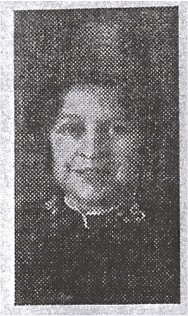
Major M Horner
Her colleague, Major M Horner, had also been a Slum Officer in the East End – Shoreditch and Canning Town, so, like Eva Prust, came from the same area as many of the evacuees.

Their initial task had been to prepare the Bowen’s house for the 20 or so evacuees that were to be accommodated and then to welcome the new arrivals and make a caring home for the elderly residents.

At first I was concerned for the evacuees – taken so far from familiarity to an area that must have been disorientating and lonely – an emptiness of countryside as compared to the crowded terraces where families stayed close and neighbours often remained friends for life.

These photographs were taken by Audrey Bosville, (first cousin of the Air Commodore) in the 1930s and shows Llwyngwair as it was when the evacuees arrived. Audrey lived in Newport for many years. (Photos courtesy of Christina Woodhead née Bowen).

But the character of the Salvation Army staff and of the ladies themselves seem to have made for a happy home and over the next week I’ll be introducing some of these elderly evacuees and telling their life stories, as revealed by the research of family historians and the memories of the ladies’ descendants .

Llwyngwair ladies big group

A group of elderly evacuees outside their war-time home at Llwyngwair. Photo courtesy of Jan Ramos, great granddaughter of Mary Moulam.
Posted in History, Religion | Tagged , , , , , , , | 1 Comment

Evacuees remembered

There are plenty of clues that tell of the evacuation of people from the cities to our part of North Pembrokeshire during the early days of the Second World War.

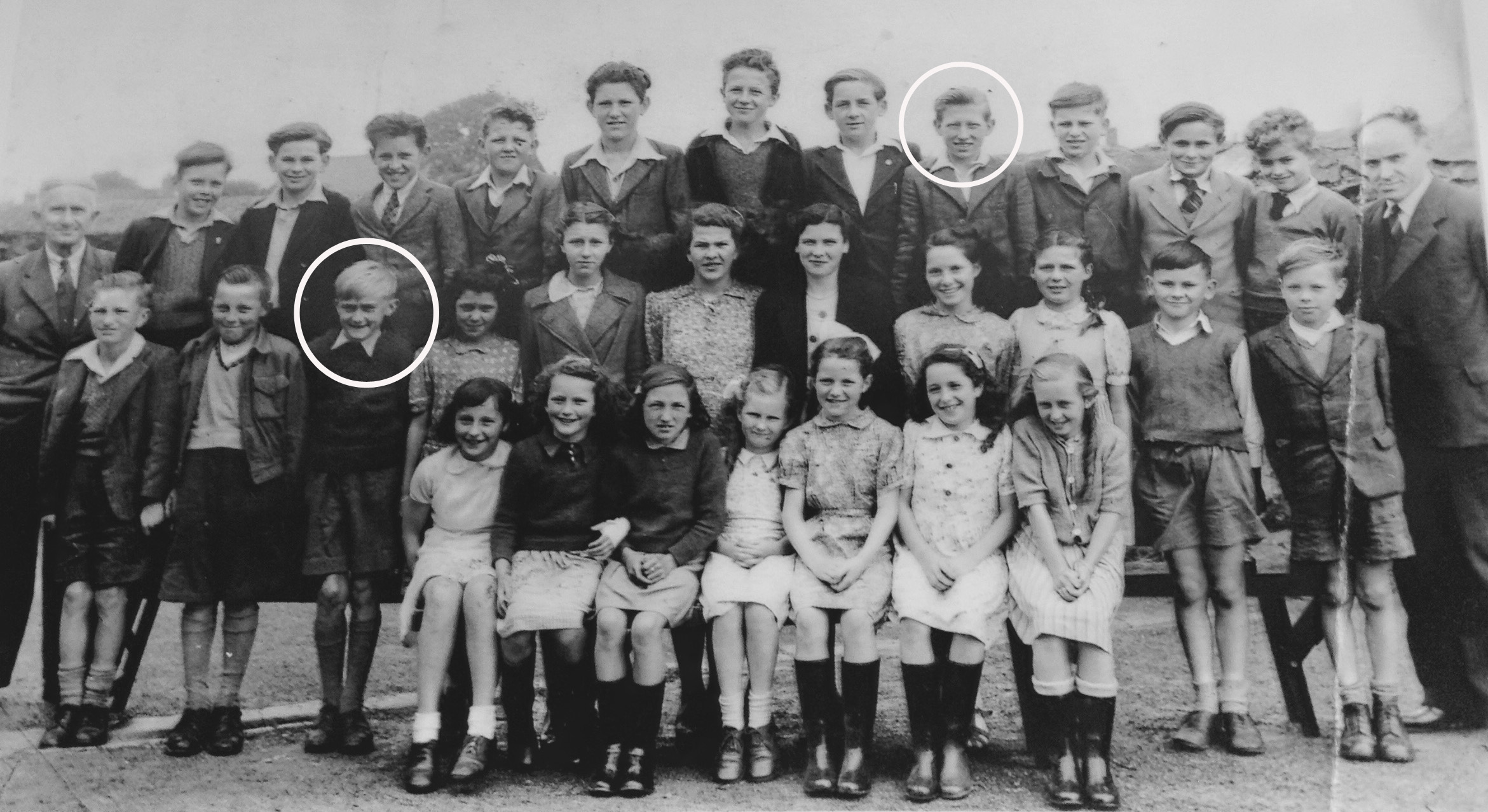
We know that our area  welcomed young evacuees. They are smiling at us from old school photos

Dinas County Primary School 1943-5 evacuees

Dinas County Primary School. Early 1940s. Back row Alfie Clark. Middle row Frankie Hitchens.

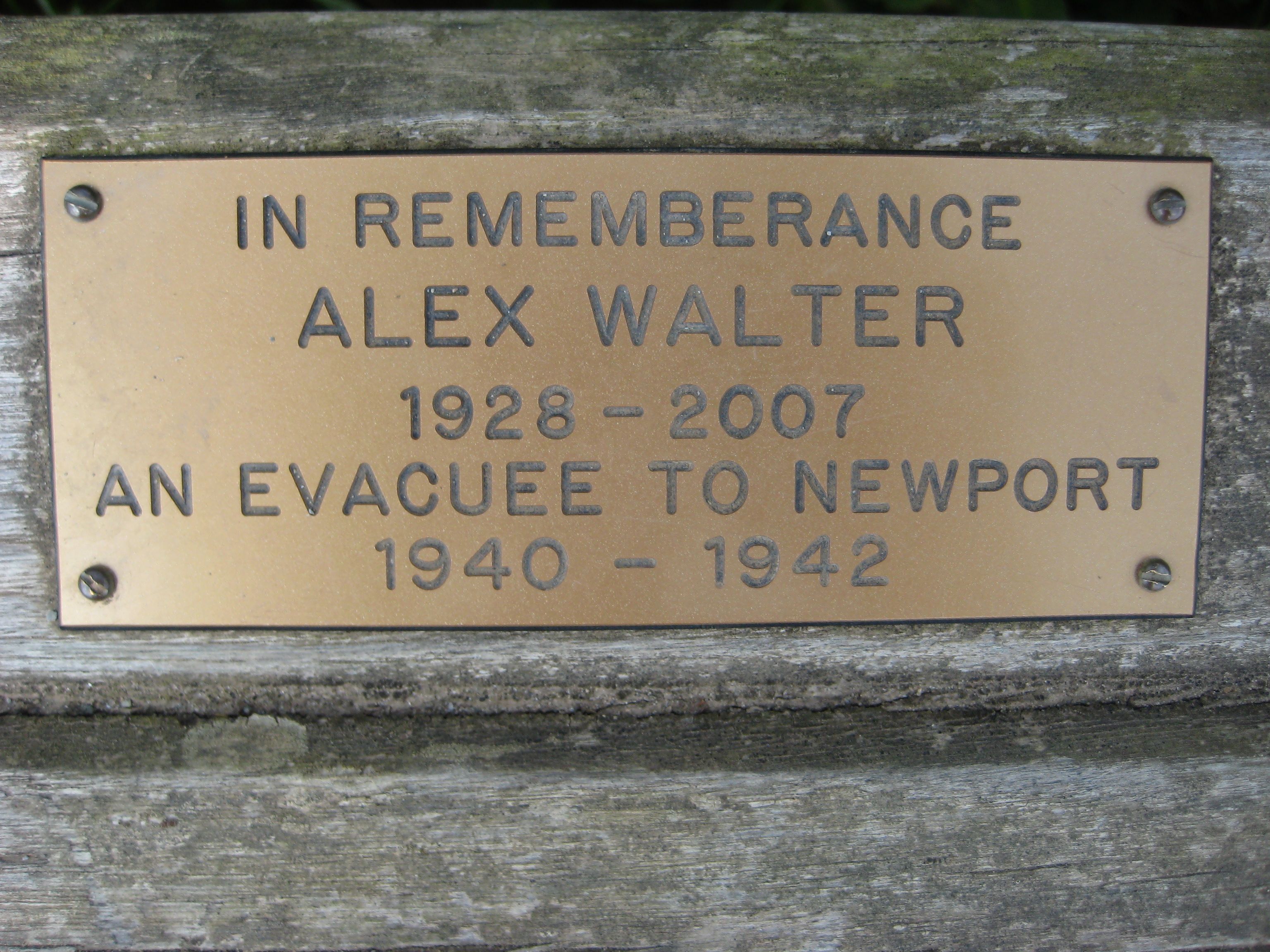
and are remembered in places that they loved.

Alex Walter Evacuee bench

Nevern was unusual, however, in making provision for the elderly who had been rendered homeless by the blitz. I have already mentioned the ladies who were evacuated to Llwyngwair in 1940. As a result of Heather Hill’s research, we have discovered some fascinating information about the lives of some of them and I will be posting a short chapter, telling their stories, every day next week on this blog (from Sunday 13th to Saturday 19th September).

nevern-evacueesNext week marks the 75th anniversary of the Battle of Britain. It will be commemorated at Church Services around the country including at St Brynach’s Church, Nevern. On Battle of Britain Sunday, 20th September, the names of the Nevern evacuees will be read out during the church service, and their lives and suffering during the blitz remembered.

Posted in History | Tagged , , , , | 2 Comments

The ridiculous shame of poverty

In at least one respect Martha Ann’s (absent) husband was a good catch. David became a master mariner and was known locally as ‘Capten dwbl’ on account of the additional maritime certificates he was said to have acquired.

Even a doubly qualified captain, however, had a hard life particularly when his work took him to the cold northern seas. His mariner brother-in-law froze to death after a ship wreck in the Baltic and Johnny (another sea captain in the family) had taken his ship north once and determined never to repeat the experience. Never again would he ask his crew to spend the entire journey hammering at the rails and the sides of the ship to dislodge the accumulating ice that could have sunk the vessel.

David’s first noteworthy experience in the north was when he was first mate on the ‘Kirby’ and he and his fellow sailors rescued lives at sea. In gratitude he was given an inscribed watch by the Tzar of Russia (or was it the Emperor of Germany ?) and the watch is with his descendants to this day. Maybe that’s what encouraged him to stay on these treacherous routes to Mermansk and Archangel.

Another remnant of his family history has been passed down to my brother and me. We know that one one occasion David was caught in the arctic ice for six months. It must have been in the winter of  1902 because I have the letter that Martha Ann sent from Dinas to her younger brother, my grandfather. The letter was written in March and she needed a loan to tide her over until David returned. Lady Day was approaching and it was on that day that bills were traditionally paid. She asked for £10, over £1,000 in today’s money, and expected to be able to pay back the loan within a month or so. Did my grandfather help her out? I don’t know.

I do know that he didn’t comply with her other request, which was to burn the letter when he had finished with it. Martha Ann insisted that he should tell no-one of her need, nor tell anyone that she had written. We found the letter, with one other, hidden in my grandfather’s book on seamanship. Even 113 years later the poignancy of her situation is affecting.

Posted in History, Sea | Tagged , | 1 Comment

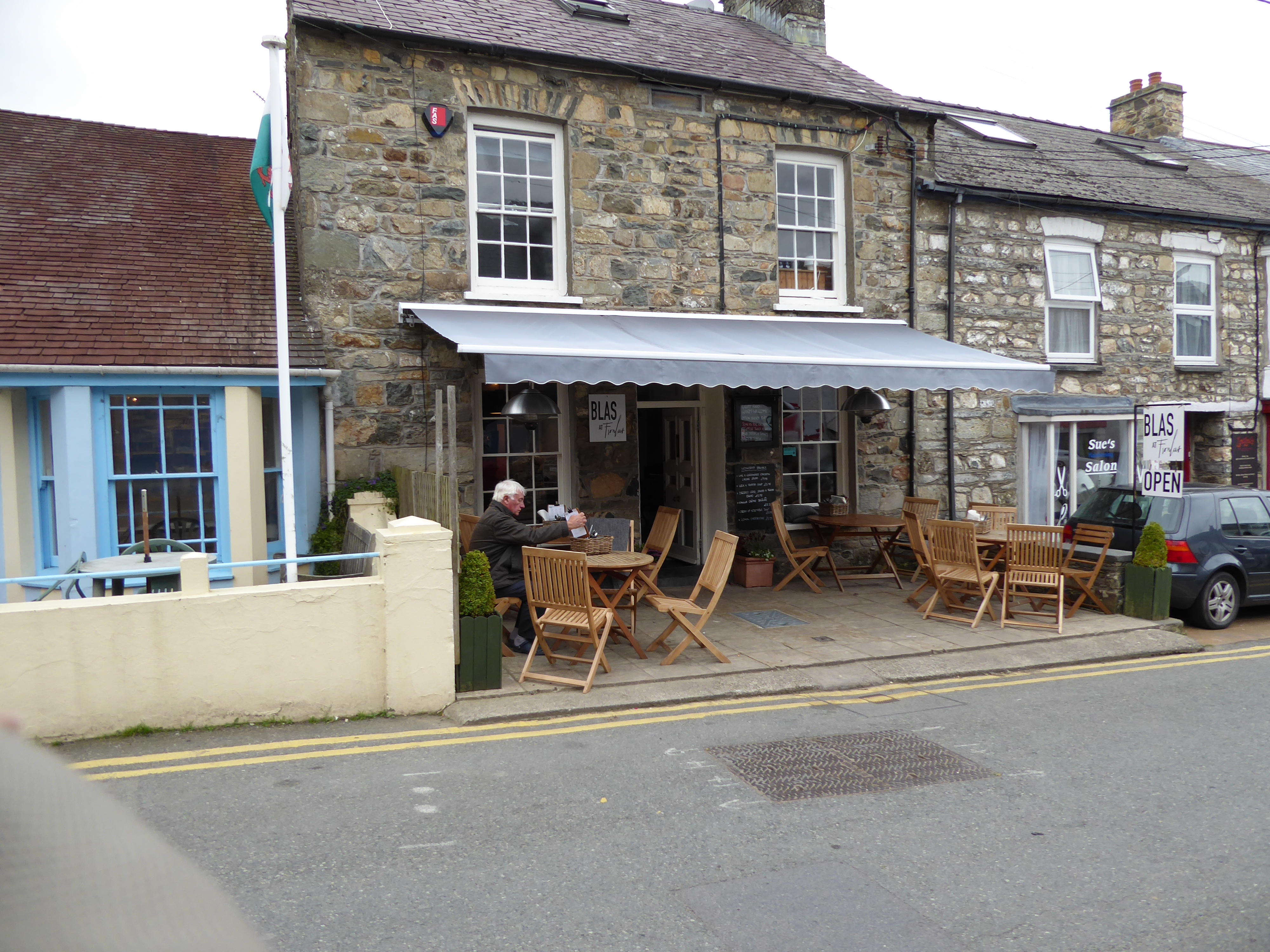
Welcome to ‘Blas’

Blas Newport

A five-hour walk along the mountain ridge from Dinas brought us into Newport for a very very late lunch. It was wonderful to sit down (warmly, comfortably and well looked after) inside and to be offered a great range of delicious food. Even the coffee was fantastic – and we are difficult when it comes to coffee. Take a look inside.

Here is yesterday’s menu. I know it says “panninis”* but I was hungry enough to be able to overlook the ‘s’.

Posted in Food, Walking | Tagged , , , , | Leave a comment

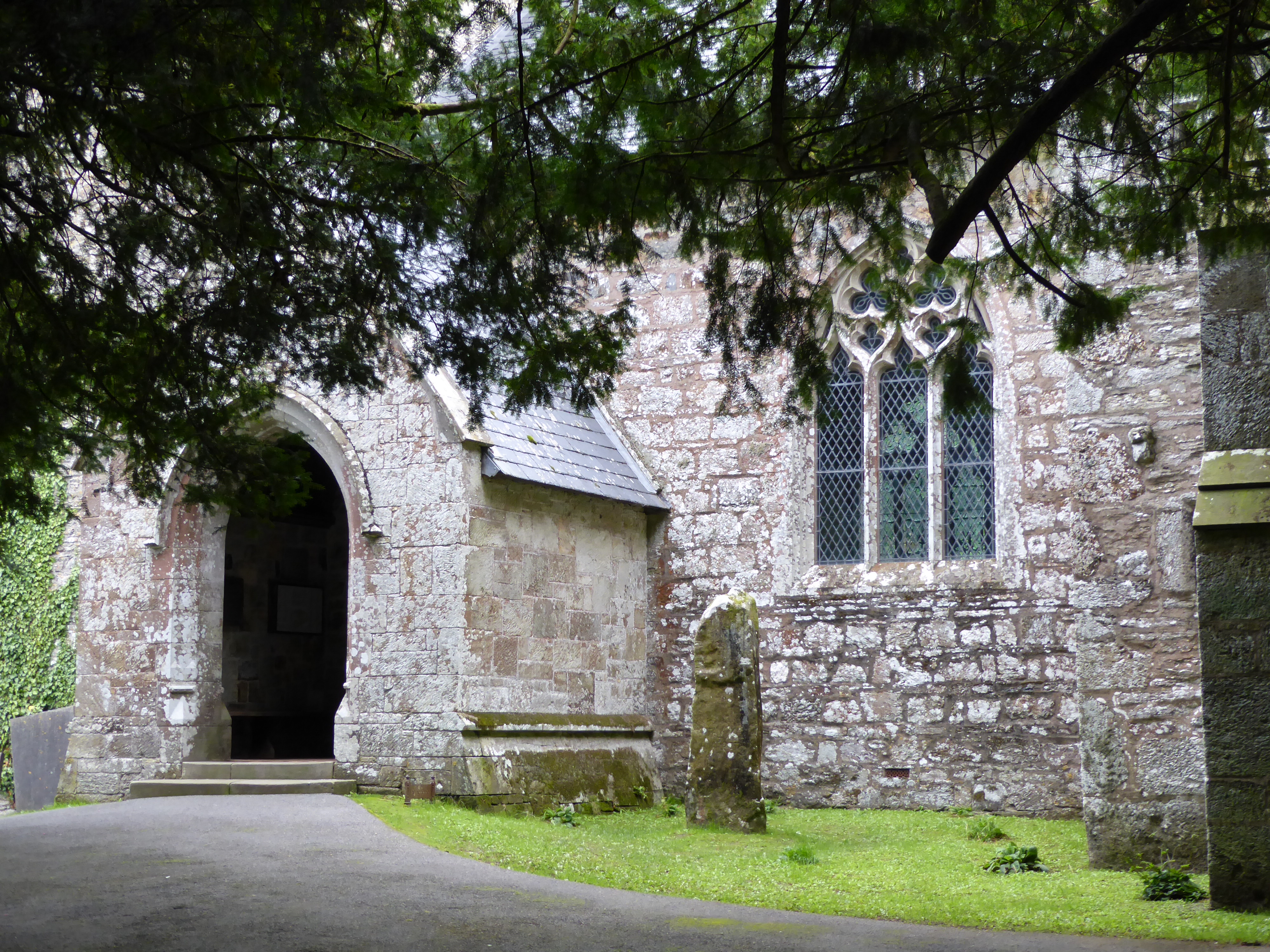
Keep the babies out of church

P1010067The porch of St Brynach’s church, Nevern, welcomes worshippers and visitors into the Church. It also offers warmth, shelter and safety to a family of swallows, one of whom flew out as I walked in, skimming over my head and missing me by centimetres.

St Brynach was a 6th century Saint about whom very little is known. The rather sketchy details of his life, recorded in the 12th century (600 years after his death), include his ability to tame wild beasts.

St Brynach’s feast day is celebrated on 7th April when the first cookoo is expected to arrive in the village after the long migration from Africa and alight on the ancient cross in the churchyard.

Posted in Religion, Wildlife | Tagged , | Leave a comment

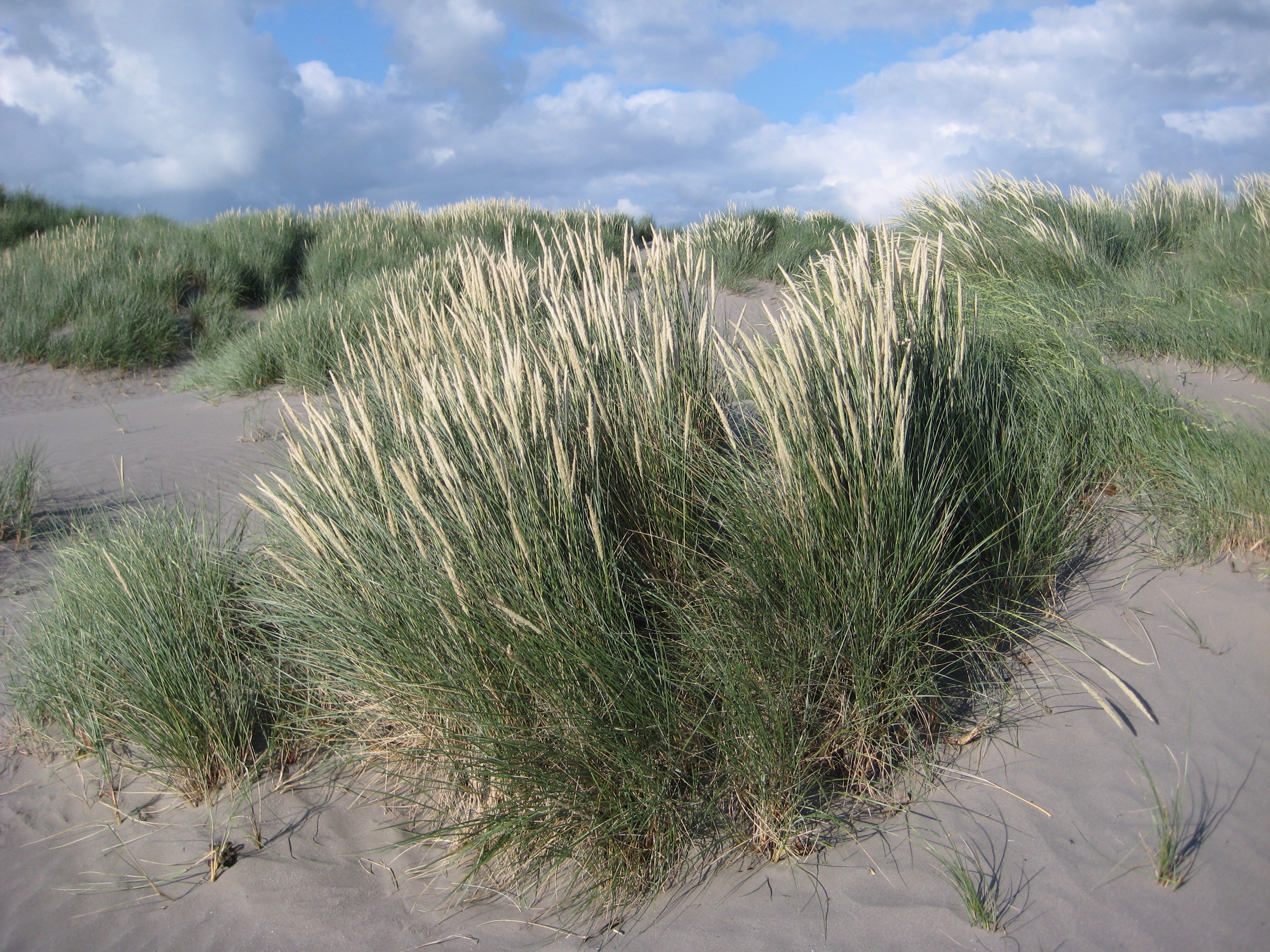
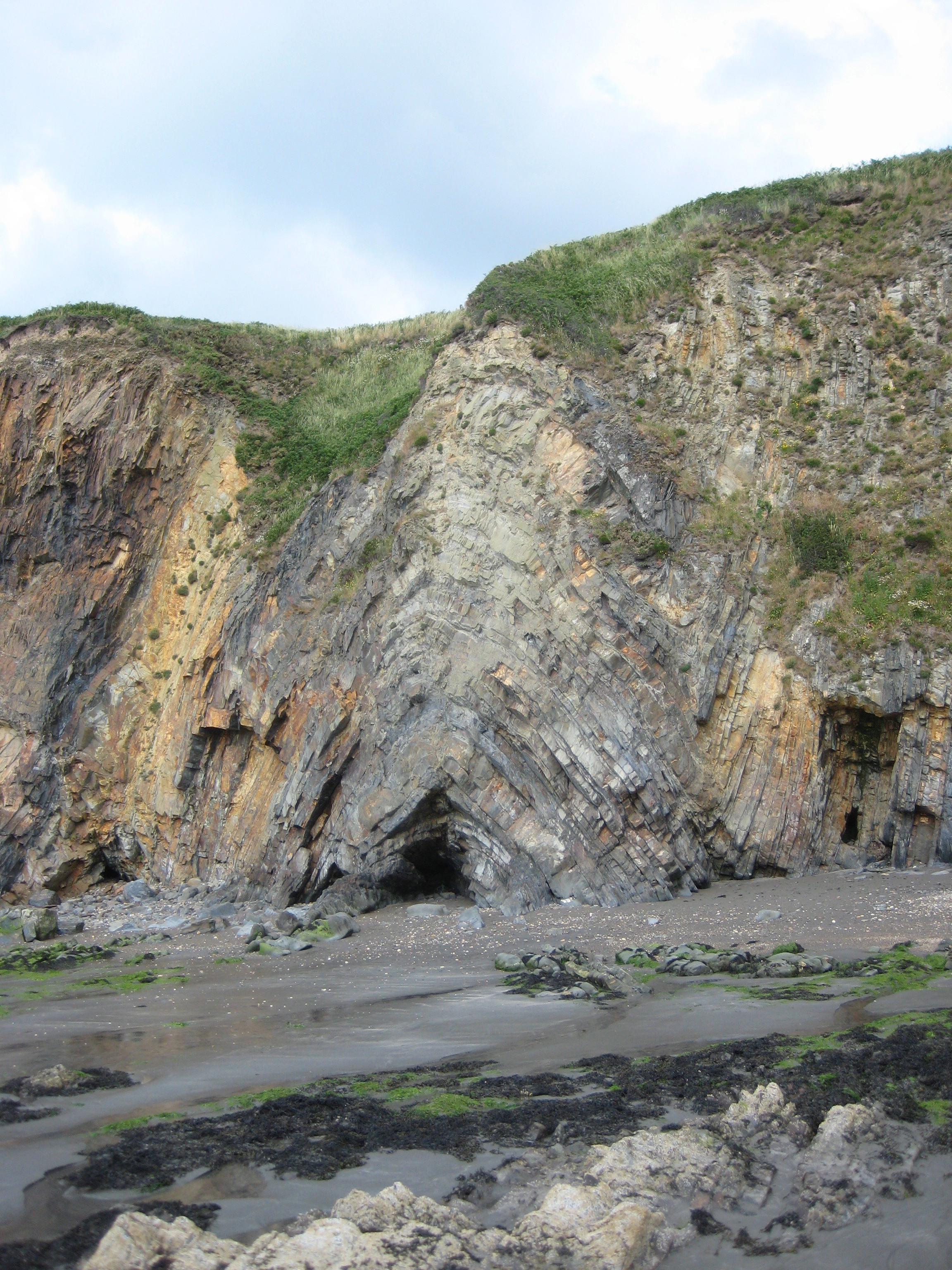
Left or right?

Both are delightful.

When you get to the beach at Newport, turn left for the dunes.
IMG_5445

Turn right for these rock formations in the cliffs.
IMG_5429

Posted in Nature, Sea, Walking | Tagged , , , , , , | Leave a comment

The essential accompaniment to Sunday breakfasts – Welsh diaspora, 1960s

To re-live the experience click here.

(The Delysé record company was set up in 1954 by Isabella Wallich who was born in Italy to a musical family in 1916, but migrated to Britain with her family at the age of 5.
She was the first woman record producer and, looking for a specialised market, her friendship with harpist Osian Ellis and cellist David Ffrangcon-Thomas led her to concentrate initially on Welsh folk music. She later produced the first solo record by the Welsh baritone, Geraint Evans, and made the first recording of a recital by the guitarist John Williams. The company became insolvent in 1979.)
Posted in History, Religion, Welsh language | Tagged , | 2 Comments

Gate of the Bones (or not)

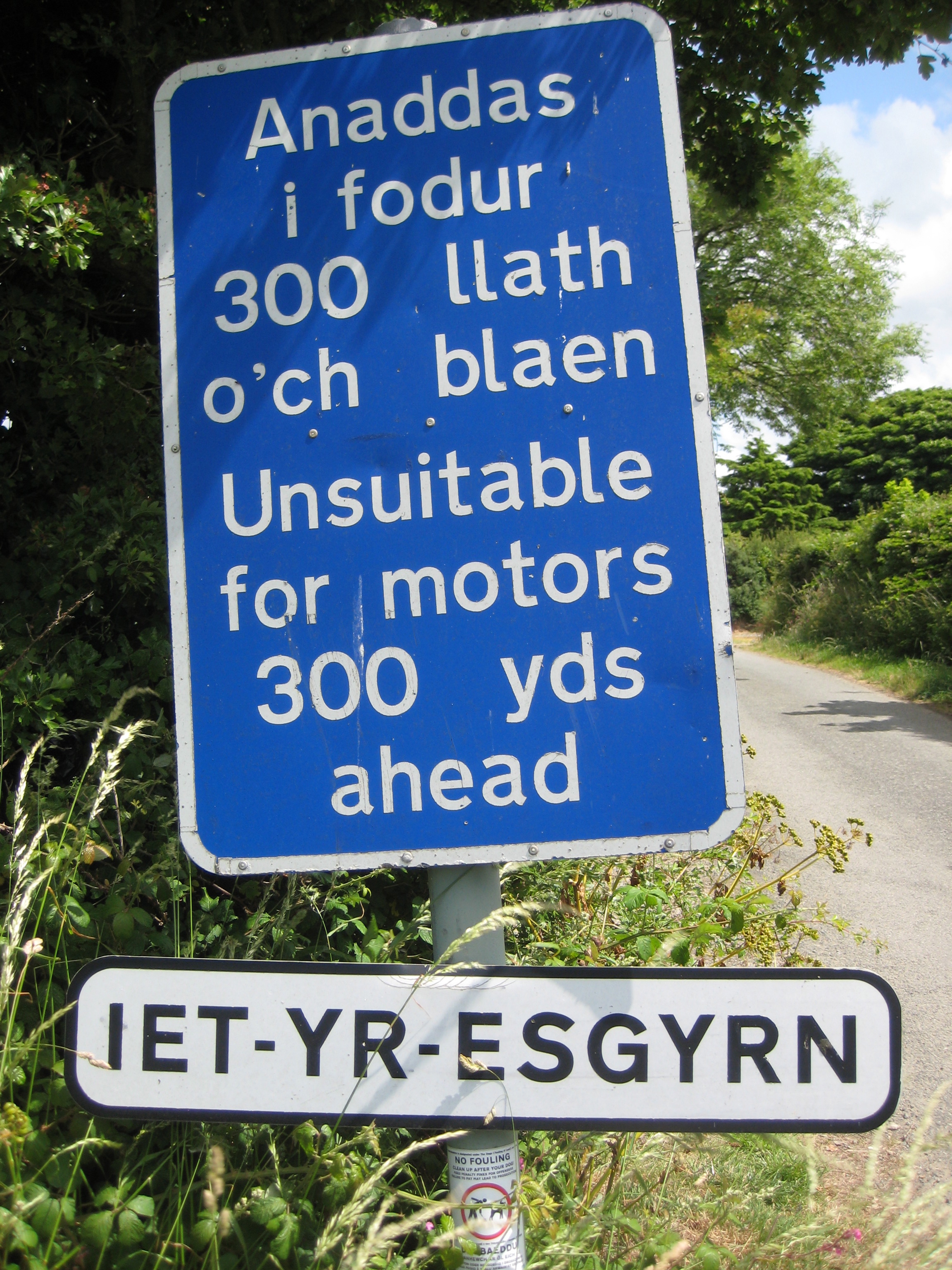
There are very few street names in Dinas but this straggling village divides into smaller hamlets whose names form part of our addresses. Tegfan is situated in Iet-yr-Esgyrn or ‘Gate of the Bones’. Very satisfactory.

IMG_5428

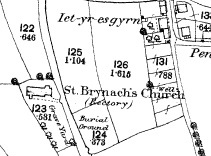
It’s a dead-end quiet corner not far from the old Ramah burial ground and the graveyard of St Brynach’s Church. I love the place and I’ve always thought the name suited. It certainly dates back to 1889 when it appears on an Ordnance Survey map.

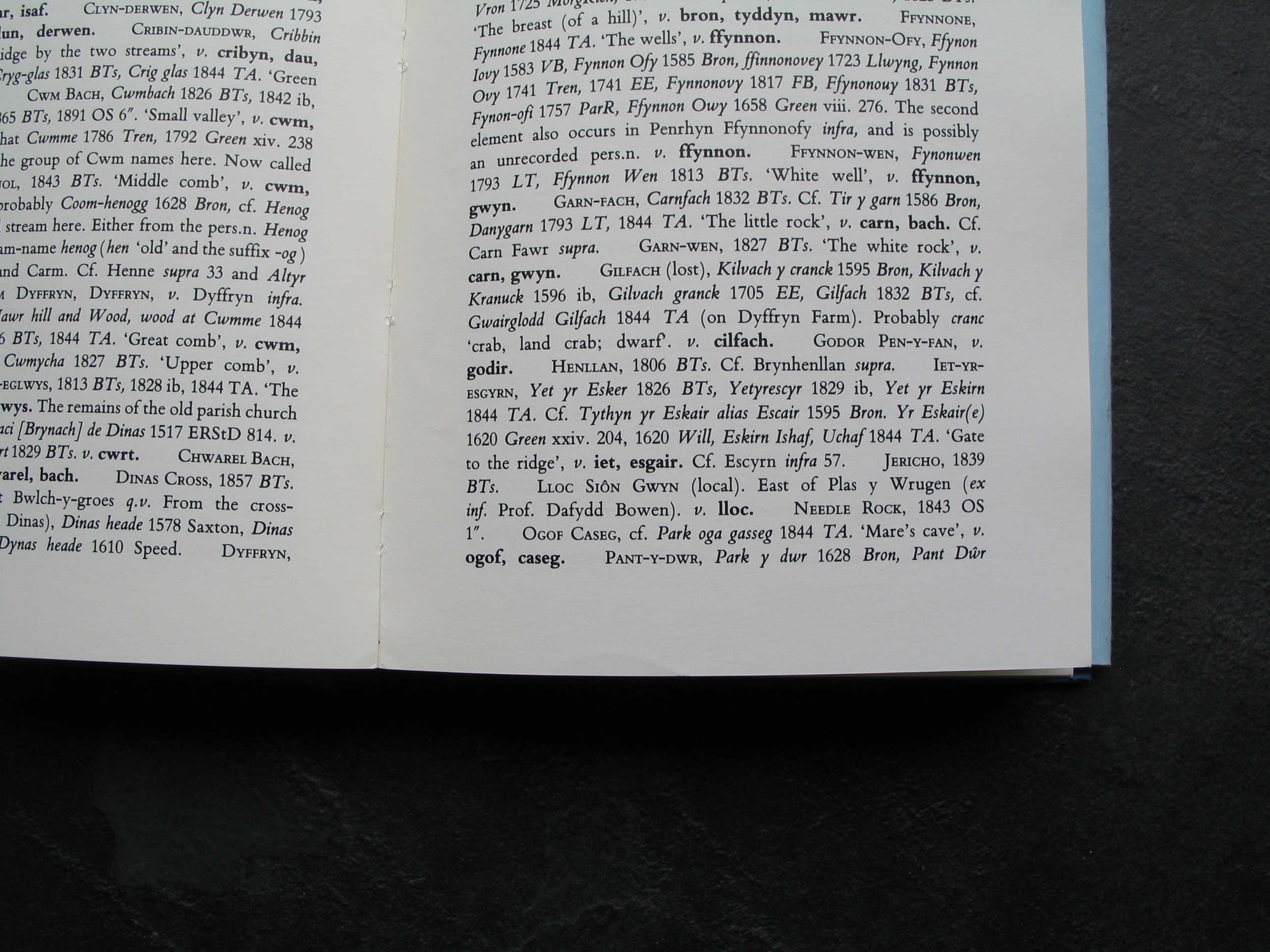
1889 MAP IET-YR-ESGYRN2However, in 1992 B G Charles published his monumental labour of love, a massive two-volume seminal study, which represents the work of a life-time. Unfortunately ‘The Place-names of Pembrokeshire’ casts some doubt on the original naming of our little part of Dinas, relegating our splendid ‘Gate of the Bones’ to a rather mundane ‘Gate to the Ridge’, by losing the final ‘n’.

Yetyresgyrn 002-2

I see no Ridge, however, and shall stick with Bones.

(I am very grateful to Reg Davies for drawing my attention to this entry in ‘The Place-names of Pembrokeshire’ by B G Charles – published by the National Library of Wales 1992.)

Posted in History, Welsh language | Tagged , , , | Leave a comment

Finding the North Pole

IMG_5321

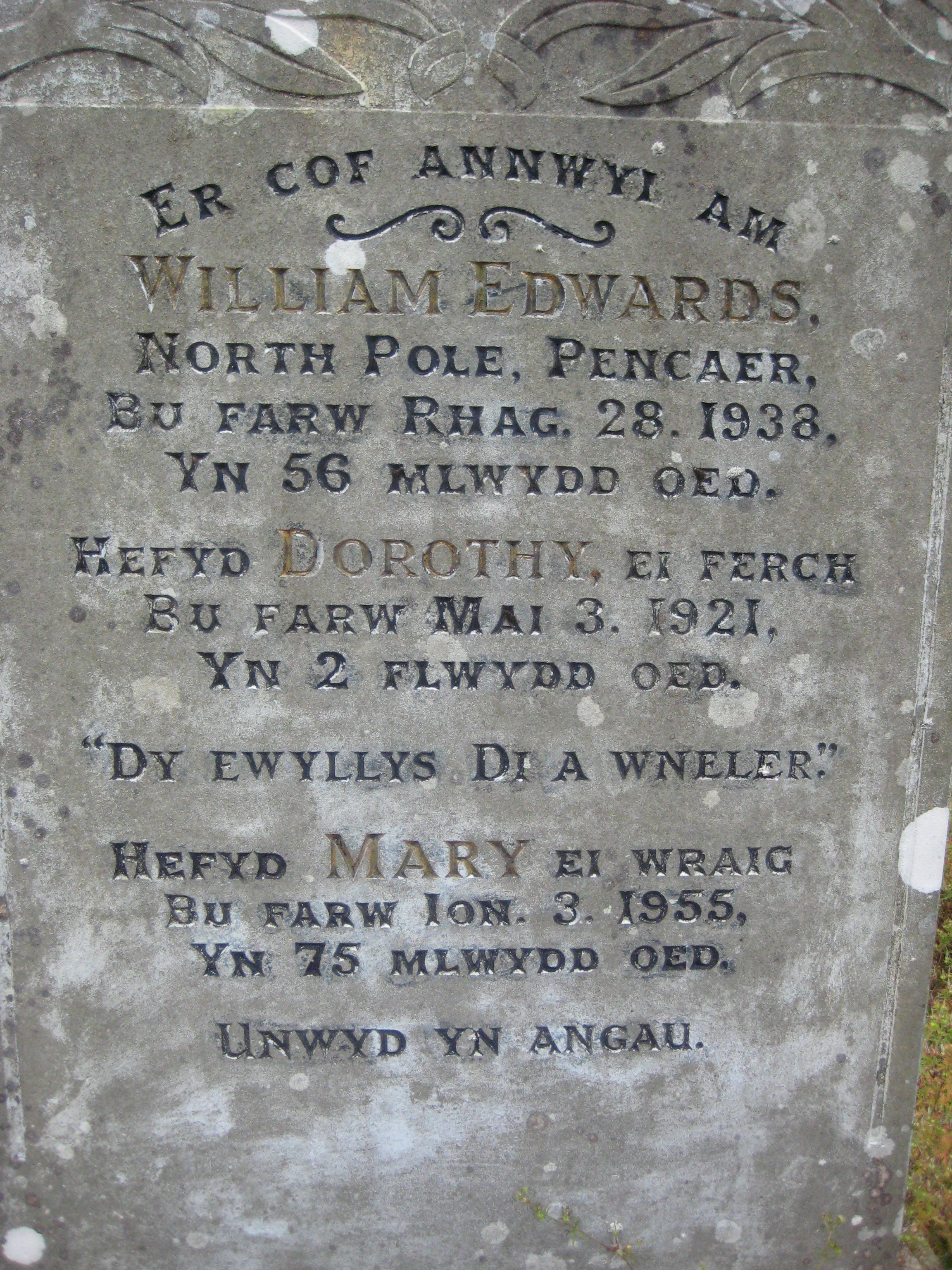
In places where many unrelated families have the same surname* and people occupy the same land for generations, the name of a house becomes part of a persons’s identity, as gravestones testify.

Was this house named as a wry comment on the poverty of the soil as suggested by Dyfed archeologists?

The generally marginal, poor quality of the land is testified by the names of two farms – one, ‘North Pole’, is suggestive of later 19th century origins while another, ‘Llys-y-fran’ (or ‘Crow’s Palace’), is clearly a post-medieval irony, although it is recorded as early as 1640.

Perhaps this house was named in gratitude for the timbers of a ship (The North Pole) wrecked on Strumble Head and recycled as local building materials. The painfully long list of Pembrokeshire ship wrecks published by ‘Dive Pembrokeshire’ doesn’t mention a ship of this name, however.

Does anyone know?

*The stock of Welsh surnames is very small, which is partly attributable to the reduction in the variety of baptismal names after the Protestant Reformation. (Click here for the complete article)
Posted in Farming, History, Sea | Tagged , , , , | Leave a comment

I’m not afraid of cows

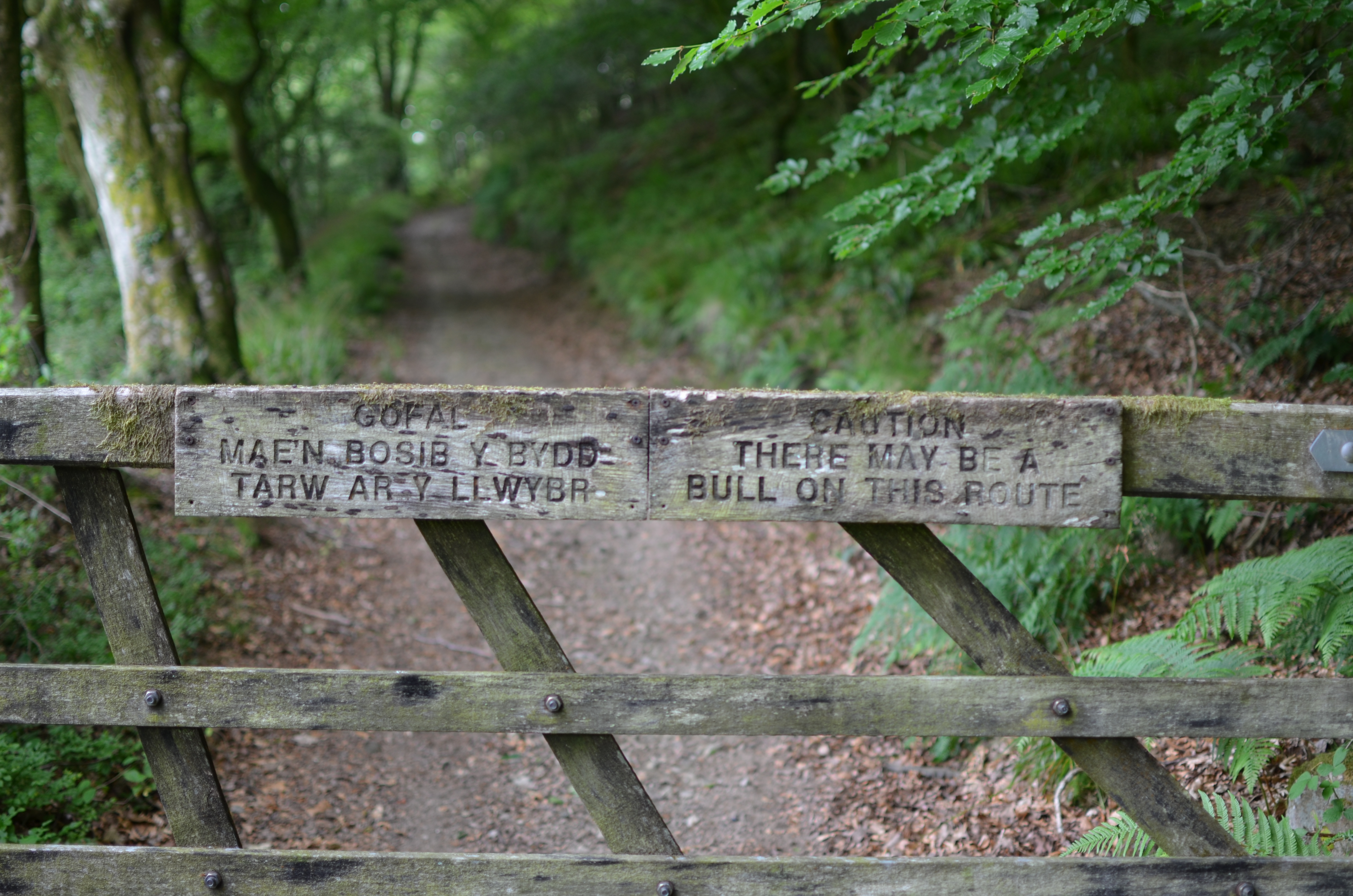
Caution there may be a bull

Gate in the Gwaun Valley.  Photo credit Ieuan Yusuf George

But I’ll own up to being rather nervous of bullocks and heifers, as well as bulls – which often means avoiding fields that (from a distance) appear to have cows in. In my recent experience, these bovine teenagers are nosey animals and even walkers without dogs, who hug the edge of the field and walk purposefully towards the nearest stile can arouse such curiosity that the whole herd comes thundering across the field to investigate. So far they have always stopped just short but my fertile imagination informs me of what might happen if they fail to stop in time .. and it worries me.

So, when approaching a field of ‘cows’ all I look for is a nice full udder. If I don’t see it, I’ll walk the long way round.

(The Health and Safety Executive has regulations on which bulls are allowed in a field that is crossed by a footpath and how the public should be informed: A suitable bull sign would be triangular with a yellow background and a black band around the outside. A bull or bull’s head should be shown (black on yellow) on the sign, with supplementary text (also black on yellow) such as ‘bull in field’ if desired. Supplementary text should not suggest that the bull is aggressive, threatening or dangerous (ie avoid words such as ‘beware’ or ‘danger’).

Posted in Farming, Walking | Tagged , , , | 2 Comments

On the rocks

The rocks on Dinas’s beaches provide an anchorage for an interesting collection of molluscs and lichens, many of which are indicators that the air is clean and general pollution levels are low. Our local Cwm yr Eglwys is included on the Marine Conservation Society’s list of best beaches 2015.

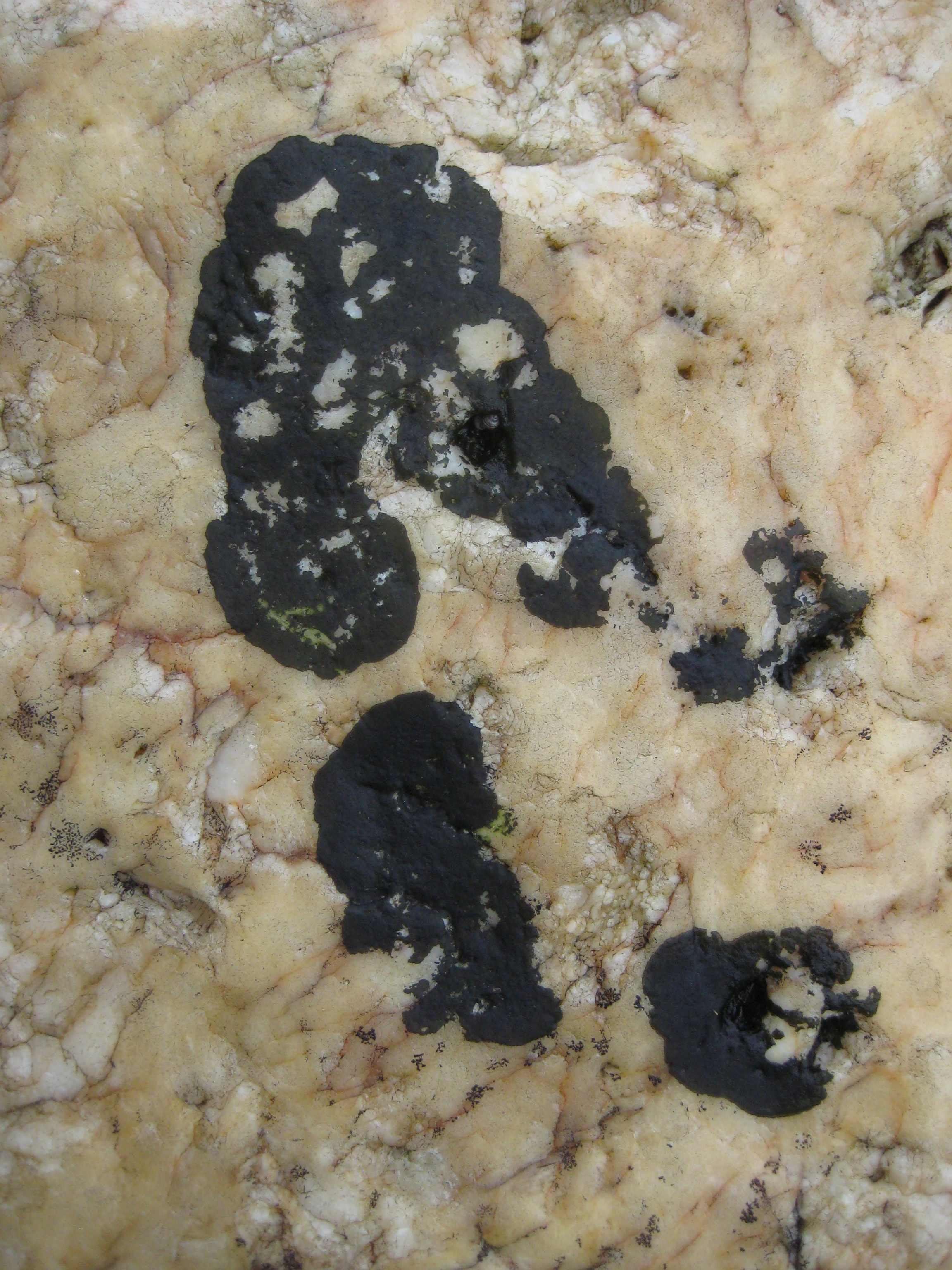
IMG_5244This rock on Aberbach, however, is a rare reminder of how things used to be. Our childhood outings to the beach would invariably involve getting tar on our feet. The stickiness could be removed, along with the top layer of skin, by rubbing with sand but it would invariably leave brown (apparently indelible) streaks. If the tar got onto towels or bathing costumes it would be there until the end of the holidays. Then we’d apply trichloroethane or ‘Dabitoff’ – an ozone depleting carcinogenic chemical with a heady smell that even back in those days we’d know not to put on our skin.

As early as the mid 1930s most of Britain’s beaches were affected by oil pollution that came ashore from the major tanker routes in UK waters.  Following the introduction of international regulations in the 1970s, preventing ships from washing out their tanks at sea, our part of Pembrokeshire, at least, is clean again.

Posted in History, Nature, Sea, Wildlife | Tagged , , , , | Leave a comment

Wynmor Owen – sculptor

IMG_5286Wynmore Owen comes from a seafaring family  in Llangrannog, just 25 miles or so up the coast from Dinas but he has since moved even closer. His father and grandfather were mariners and Wynmor continues this close connection to the sea in his studio in Newport, the small town where he has lived for the past 40 years.

Much of his work is a celebration of the coastal wildlife and heritage of this part of West Wales. His raw materials are old oak fenceposts from local farms and recycled roof slates. His subjects, represented in water colour and wood cuts as well as sculpture, are seabirds, seals and small sailing boats in the waters around the cliffs and rocky bays of North Pembrokeshire.

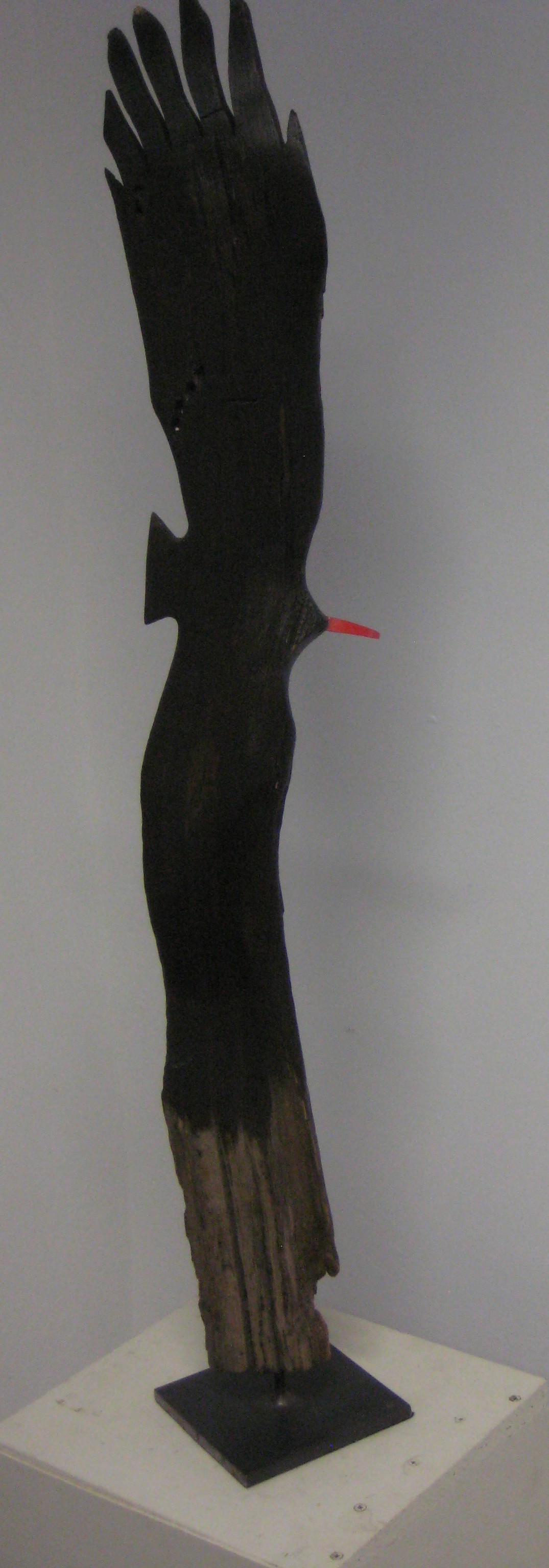
This beautiful chough is made of oak and portrays a rare bird of the crow family, found in small numbers on Britain’s Western coasts. Its red beak and legs make it distinctive, even for those of us that are not committed bird-watchers. Watch out for choughs on Dinas Head. They’ll dive and swoop in impressive aerial displays and their calls are crow-like. They are easier to identify when you see them on the cliff edge, poking their long beaks into the short grass in search of insects.

For choughs, gannets, Manx shearwaters and more of Wynmor Owen’s work click here.

Posted in Art, Crafts, Nature, Wildlife | Tagged , , , , | Leave a comment