Earth, wind, fire and water c1987

The wooded valley leading down to Aberfforest beach once hosted an amazing exhibition of sculptures. They were fashioned from soil and slate, turves and trees and were destined to return to nature in their own time and leave no trace. We watched them slowly decay over the years and now the sculptures are gone. I don’t remember the artist* but I do remember the delight and surprise of discerning a small plume of smoke drifting up from the chimney of this forest home when we first stumbled upon it.
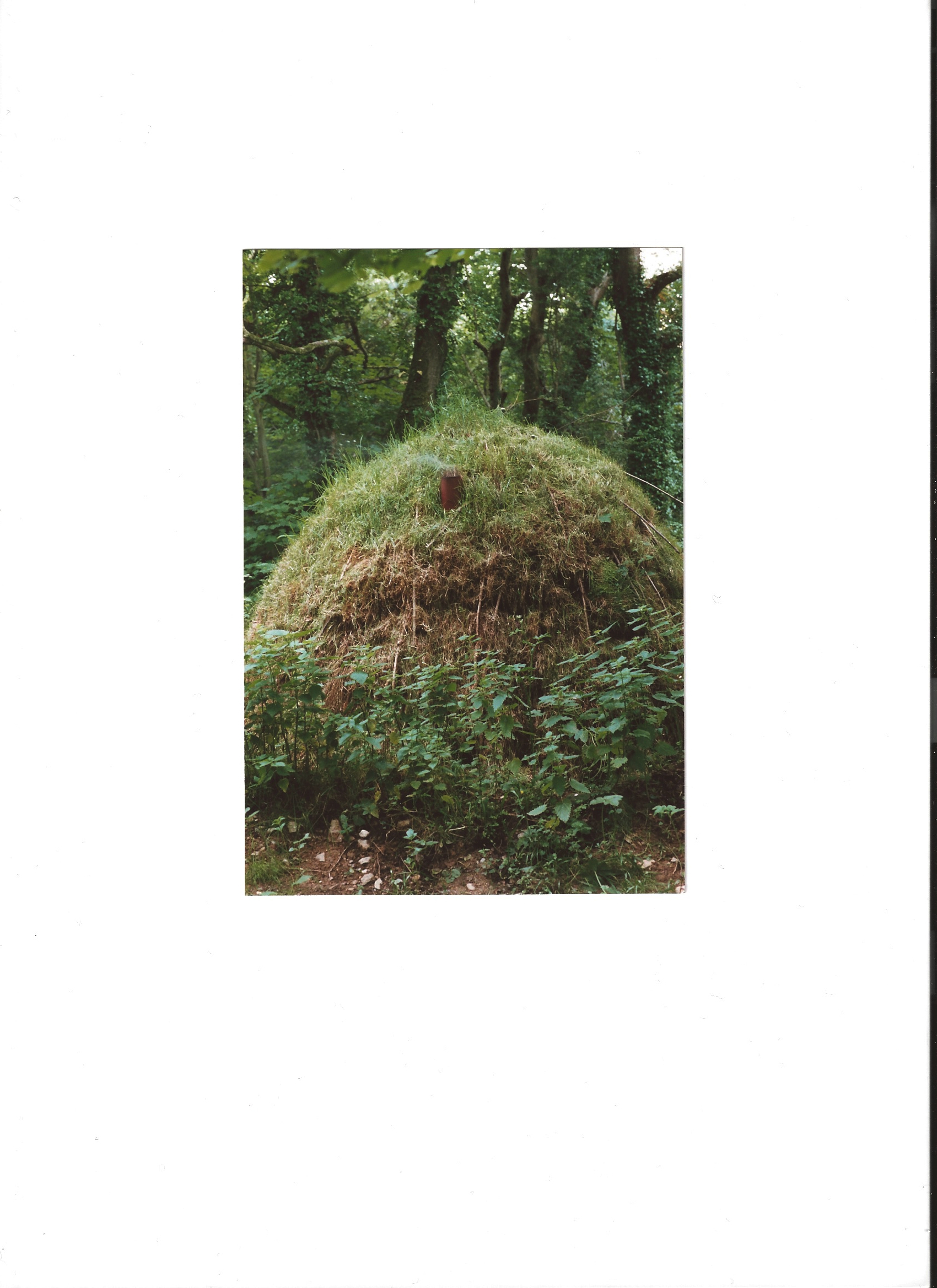
Aberfforest valley sculptures 2-2

A four-poster bed offered shelter and rest.

Aberfforest valley sculptures-3

Sparkling rivulets were channelled from the streams through stone and wood appearing and disappearing,  burbling and gurgling.
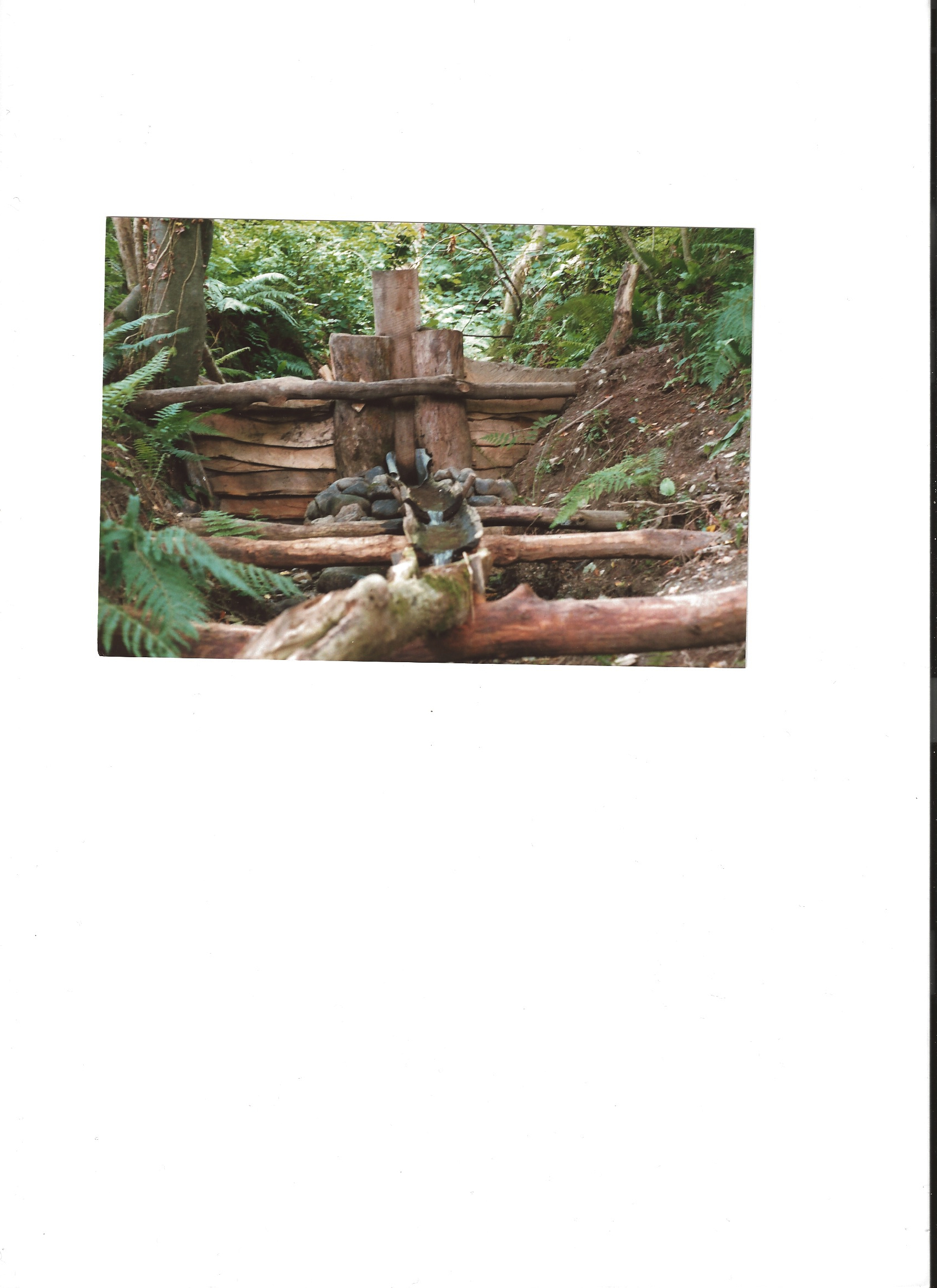
Aberfforest valley sculptures 2

I’m not sure whether even the most attentive walker could find any remnant of these installations now, but the wood is still a quiet, green hidden world where the wind chimes that drew attention to the sculptures are now silent, leaving you only birdsong and the sound of water falling into a pool below.

This beautiful wood forms part of the Dinas Community Forum walk that guides you from Cwm yr Eglwys to Aberfforest. Click here Cwm yr Eglwys to Aberfforest – Dinas Circular Walks – July 2014-2 to download. This leaflet and the others in the set can be found, free of charge, in local shops, pubs and B and Bs. They will also be at Tegfan, of course.

*I’d really like to hear from anyone who knows more about this event and the artist who  designed and constructed the exhibition. It was magical!
Posted in Art, Crafts, Nature, Walking, Wildlife | Tagged , , , , , , , | 10 Comments

Sawdust but no spit (or acquired taste 3)

We’re going to a pub. We’re going to set off from Dinas and drive along roads that are so narrow that you should pay attention to the passing places because sooner or later you’ll have to reverse to allow an on-coming vehicle to get by.

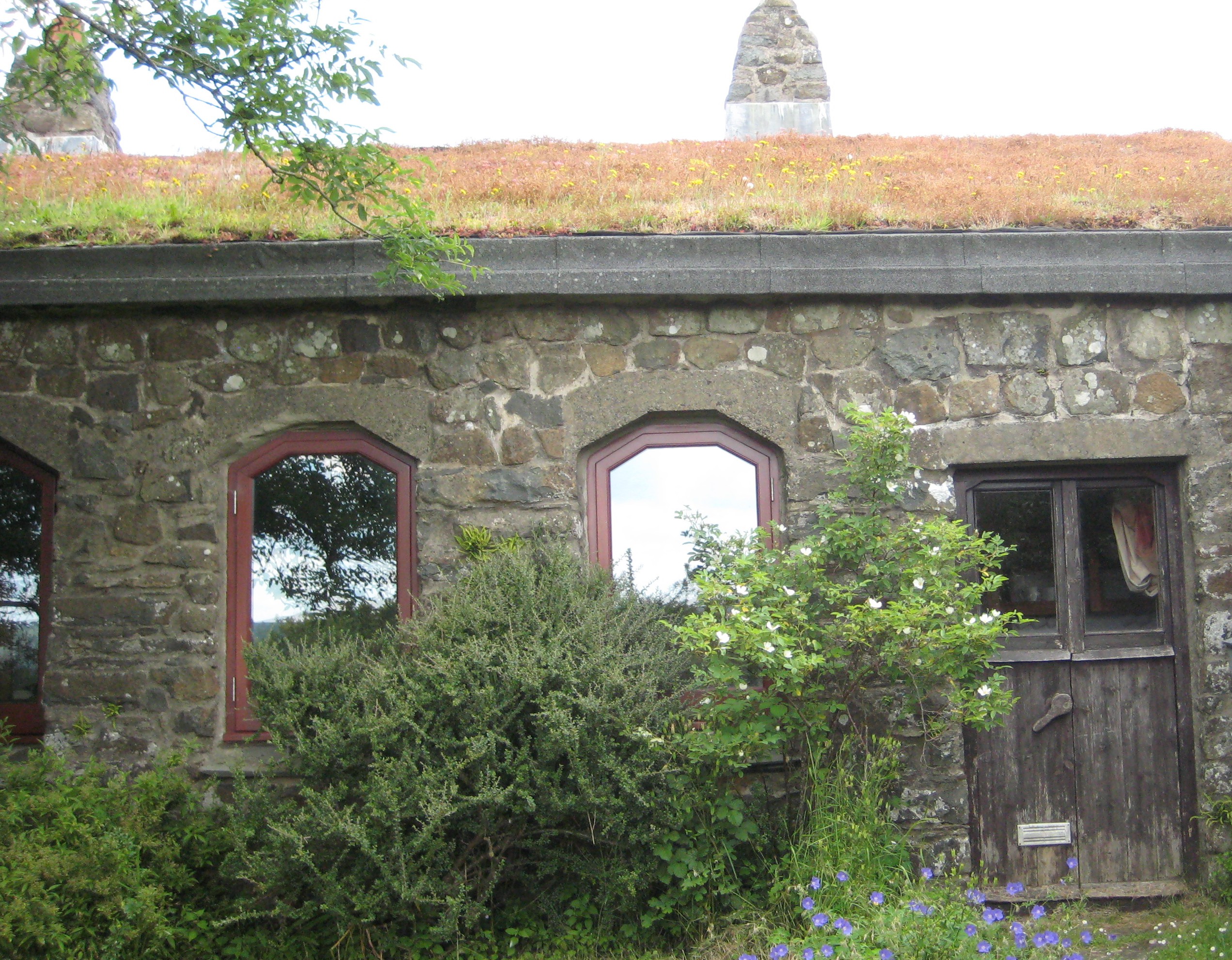
A pioneering green roof. It must have ben one of the first in the UK.

This house, designed by Christopher Day in 1972, was one of the first in the country with a turf roof. Built on the site of an old chapel, it has its own water supply and solar electricity.

Set off up the mountain, past Machpelah graveyard, winding uphill, across the cattle grid until you are out in open country. Go past Russia on the right, past the house with the sedum roof on the left and continue until you get to a T junction, where you turn right towards Pontfaen. Go steeply down (25% incline) until you reach the river Gwaen at the bottom of the valley. Follow the road, straight ahead, bearing left along a single track road with high hedges, until you join the main Fishguard Maenclochog road at Croes Ffordd. Follow signs to New Inn and then to Rosebush. You have arrived.

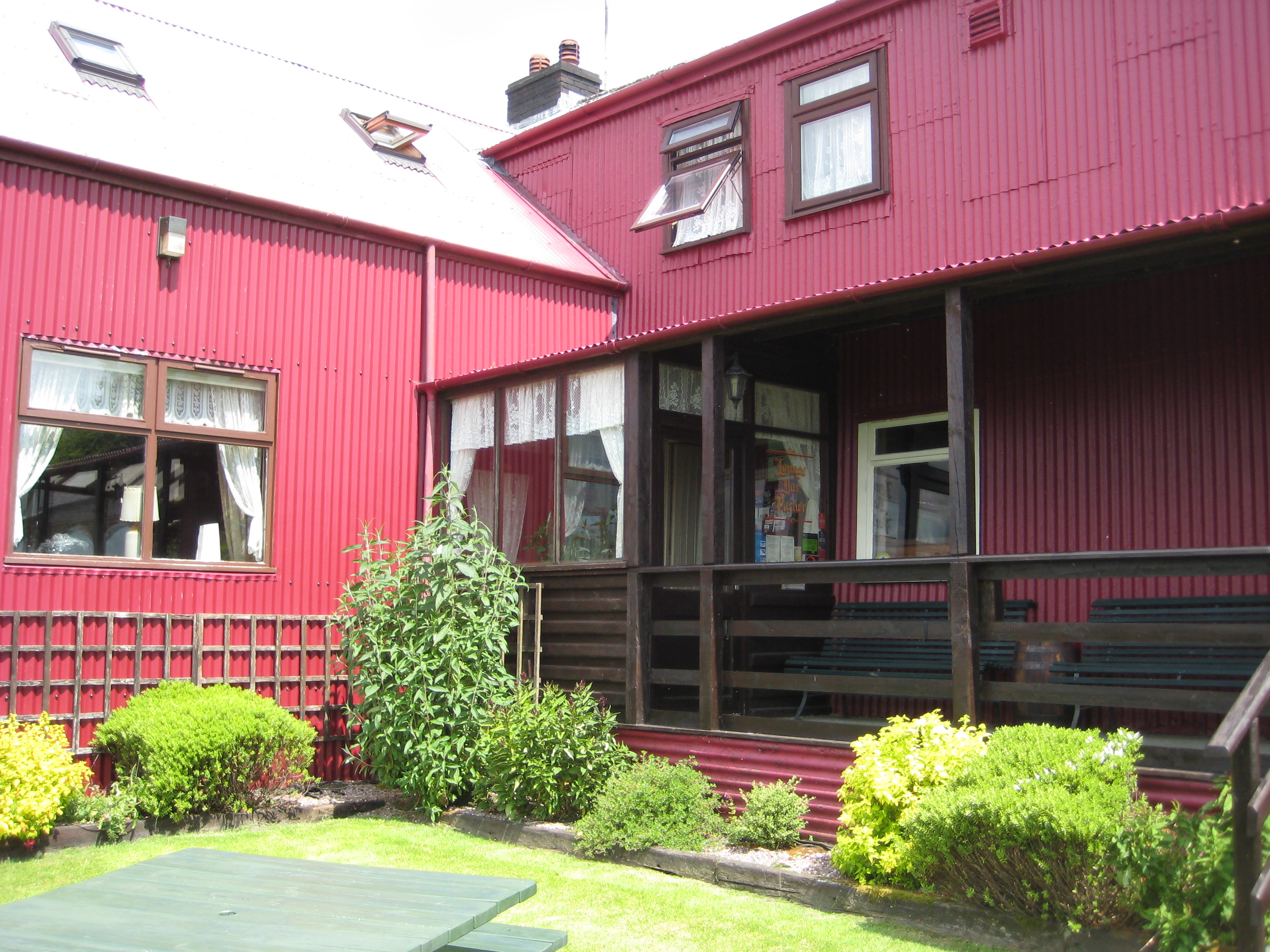
I grew up with the notion that pubs were a foreign country that our family chose not to visit so I never saw the inside of the Precelly hotel before its transformation into Tafarn Sinc. The outside, galvanised grey with net curtains in the windows, looked both bleak and seedy and, as a child,  I never questioned our curious ability to spurn inns in my father’s country while enjoying bars and cafes in my mother’s Italy.

Tafarn Sinc, a corrugated iron building, was constructed in 1876 for the benefit of travellers on the new railway line that had been extended from Clunderwen to Rosebush. But after the closure of the slate quarries and the railway line, trade declined and the hotel was closed. New owners bought the decaying building in 1992 and transformed it

Tafarn Sincinto more than a pub where you can enjoy food and refreshment out in the sunshine or inside, warmed by wood-burning stoves, in winter. The interior is now a celebration of the area and its history with photos and artefacts as well as local food and a selection of interesting and local beers.

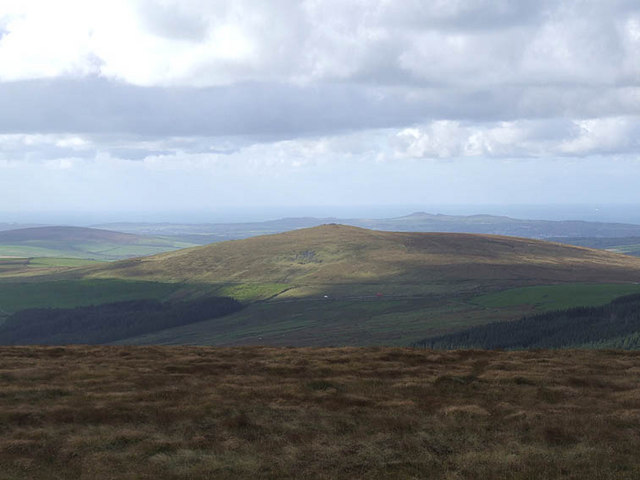
Rosebush is a wonderful base for walks in the Preseli mountains. The route to Preseli top can take you past Pantmawr Farm (stop at the shop for a wonderful selection of local cheeses) and the view from the summit is worth the climb. The countryside is stupendous and, with the right weather conditions, you’ll see the Irish Sea in one direction, Lundy island off the north Devon coast in the other and paragliders on adjacent hillsides.

 Martin Southwood and licensed for reuse under this Creative Commons Licence.

Photo credit Martin Southwood and licensed for reuse under this Creative Commons Licence.

Posted in Food, History, Walking | Tagged , , , , , , , , , , , , , , | Leave a comment

Siop y Sgwar (or acquired taste 2)

Have a look at this! IMG_4476
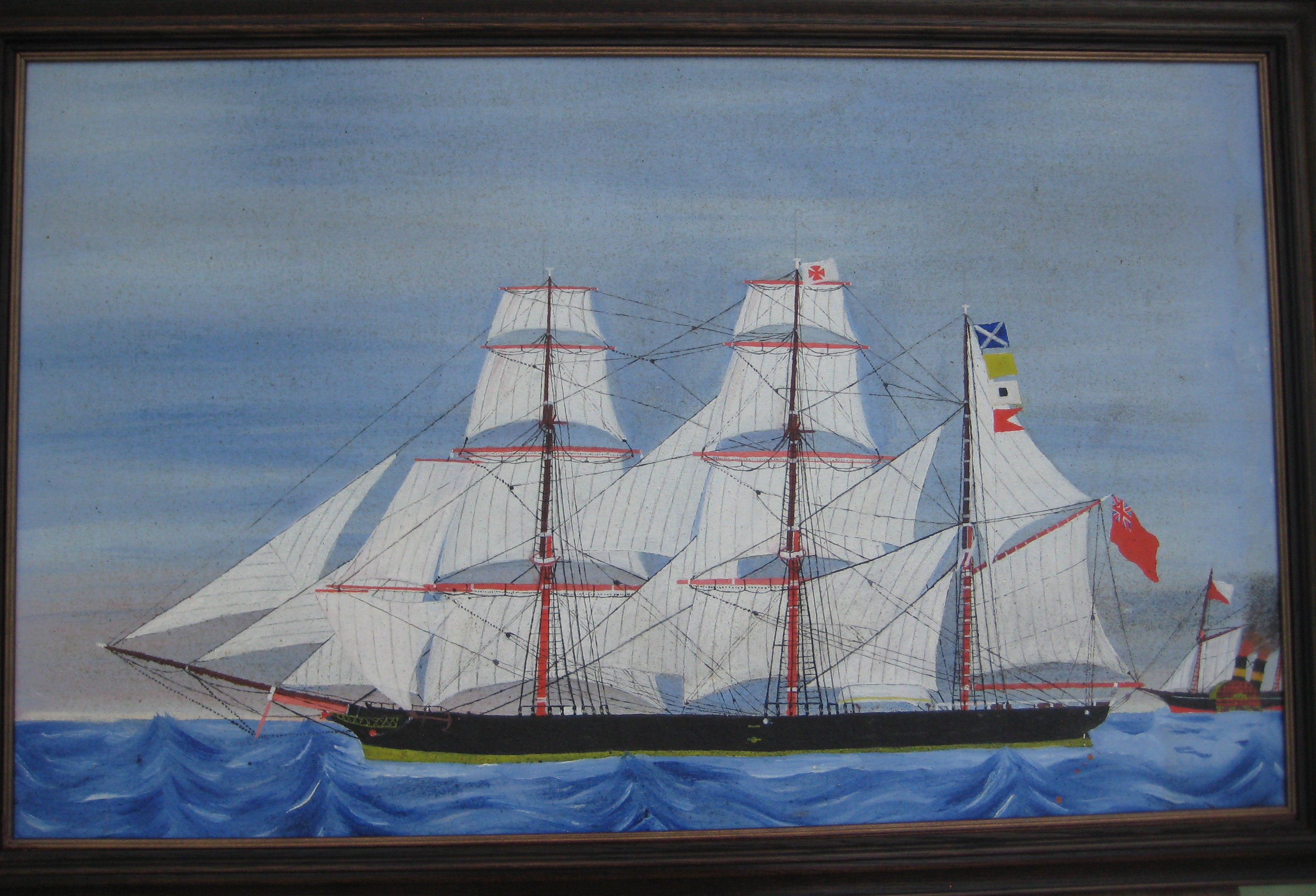
Photo credit Bjørn Giesenbauer

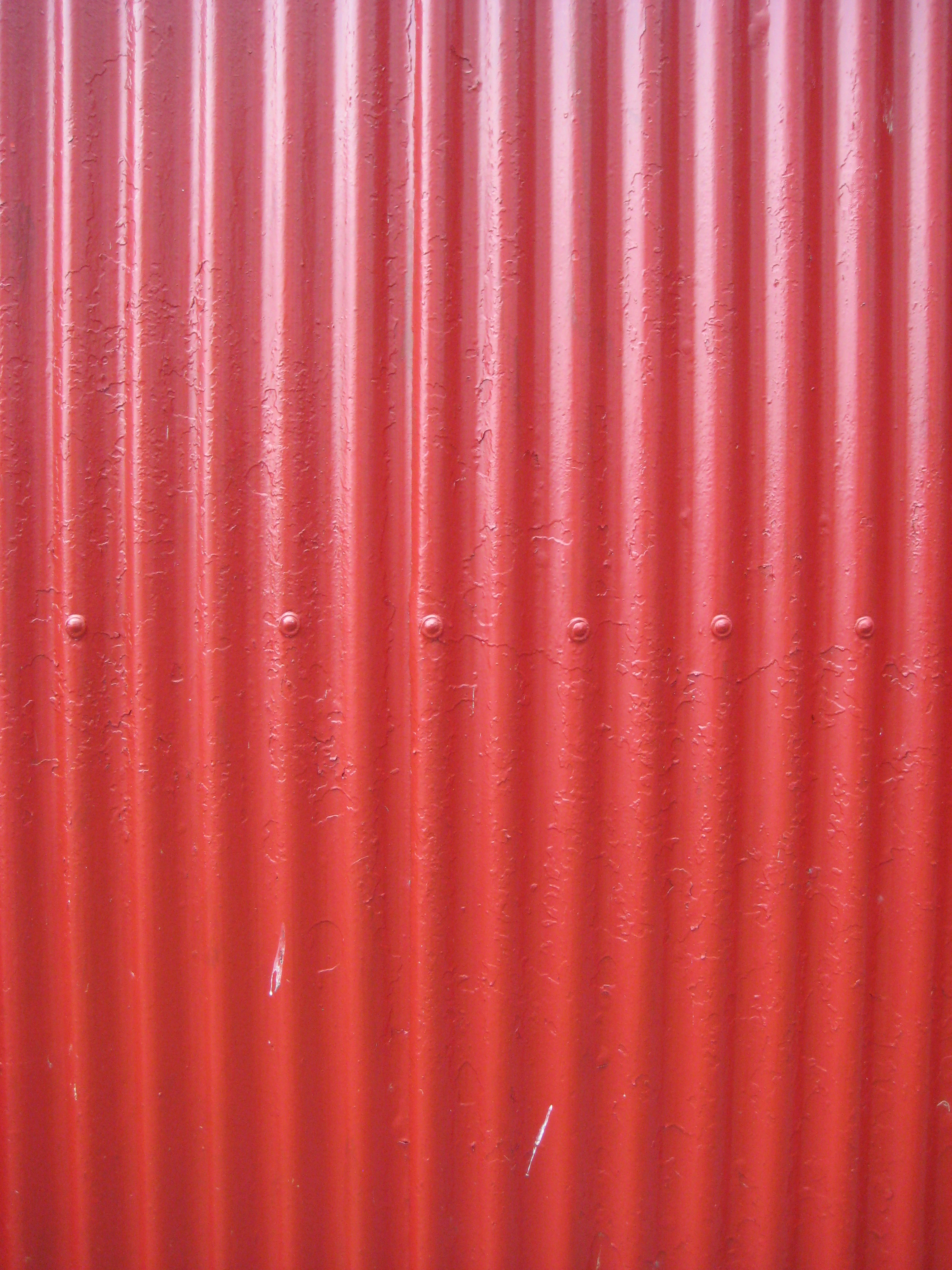
You don’t have to go to Reykjavik to see the glorious potential of paint and corrugated iron. Maenclochog’s Siop y Sgwar glows at the centre of the village and invites you to stop, admire its bold presence and get closer to feast on its richness of colour. As I stood gawping at the front of the store, my manners returned and I went inside to buy something, anything really just to see the inside and to say hello to the keeper of this beacon of a shop. Next time I go on a winter’s evening I shall take my camera so that I can capture it illuminated against the dark sky.

With many thanks to fellow blogger, Calmgrove, who drew my attention to this example of a ‘tin’ building in the Preselis. It’s only about ten miles from Dinas and a mile from Tafarn Sinc at Rosebush – more of that next time.

Posted in Art, History, Welsh language | Tagged , , , , , | 1 Comment

Pwllgwaelod to Aberbach

Here are some of the wild flowers we saw on a walk to the beach at Aberbach this summer.

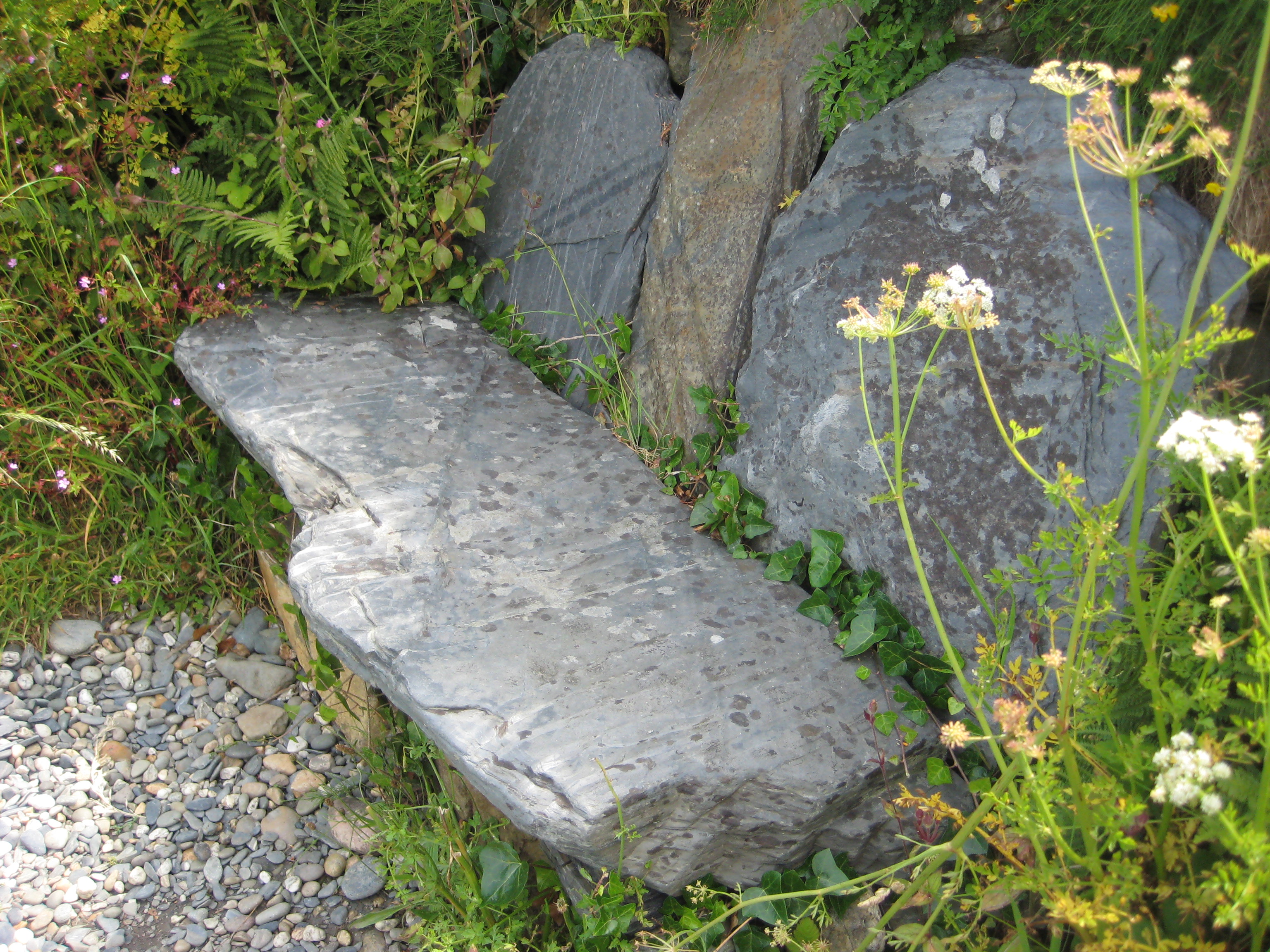
I love Aberbach. The road that dips and climbs along the coast at this point is only single track and there is nowhere to park. Consequently it’s a quiet beach that you can often have to yourself. The best way to get there is along the coastal path and when you arrive you’ll see a slate bench just above the high water mark. Take time for a rest and some quiet reflection.

IMG_4354

Dinas Community forum has just published a wonderful series of ‘Dinas Circular Walks’. The walk from Pwllgwaelod to Aberbach can be downloaded here. Pwllgwaelod to Aberbach – Dinas Circular Walks – July 2014-3

The leaflets should be widely available in local shops, pubs and guest houses.

Posted in Nature, Sea, Walking, Wildlife | Tagged , , , , , , , , , , , | Leave a comment

Nothing wins hearts like cheerfulness

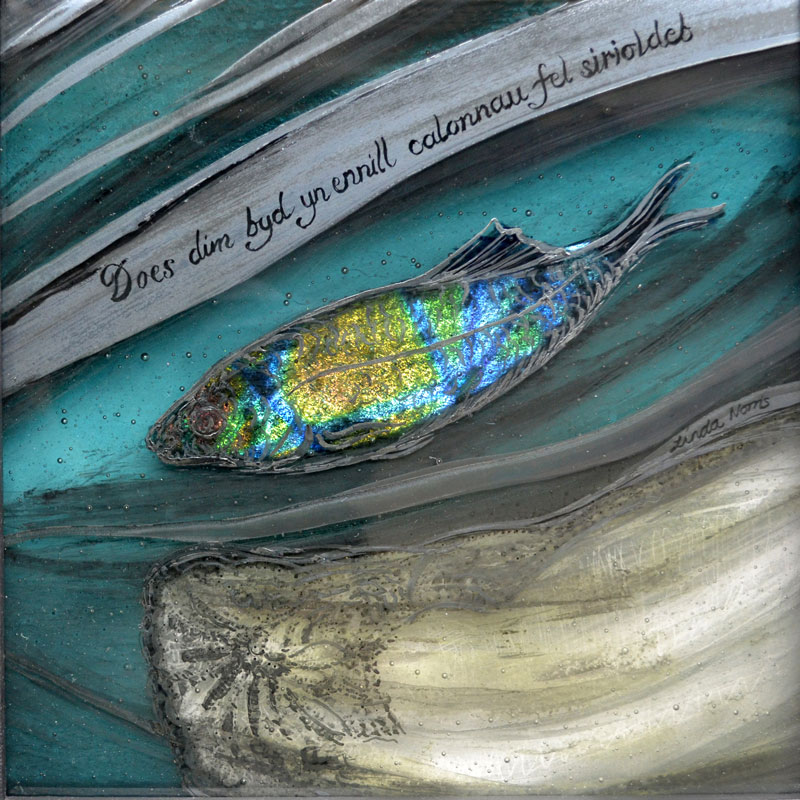
For the story behind this piece of fused and painted glass, click here. While you are visiting the artist’s website, make sure you have a look at the other wonderful glass pieces as well her paintings of Pembrokeshire.

Nothing wins hearts like cheerfulness by Linda Norris

Linda Norris GalleryLinda Norris’ beautiful gallery is a good reason to visit Maenclochog – only ten miles from Dinas. You’ll find art works that offer spell-binding interpretations of Pembrokeshire’s sea, sky, nature and light but there’s also plenty of evidence of her commitment to community involvement that, for me at least, further enriched the visit.

On my visit her studio contained a glass quilt designed by local school children, items from a project on emigration from Wales to the USA in the 18th and 19th centuries and evidence of community collaboration such as this beautiful glass screen for a Pembrokeshire Housing Association that incorporated some drawings and prints by local children.

What’s more, even though I thought I knew nobody from Maenclochog, when I mentioned the gallery to my London-based brother, he immediately remembered having met the artist;  I was reminded that most of us here are probably closer to each other than we realise and that, at most, six degrees of separation according to Frigyes Karinthy in 1929, will take us to individuals in isolated communities on the other side of the world.

Posted in Art, Crafts, Nature, Welsh language | Tagged , , , , , , , , | Leave a comment

Wild Wood

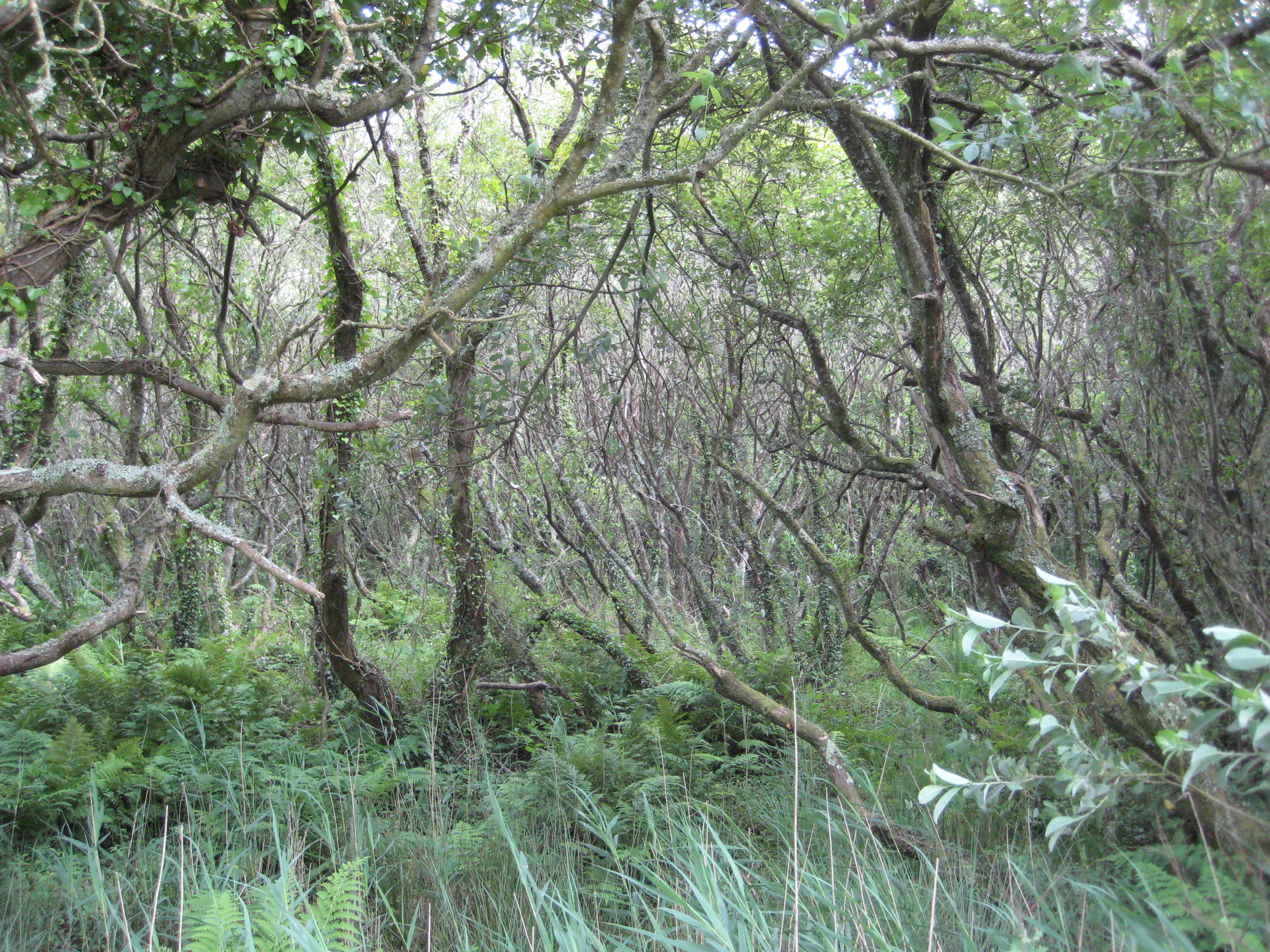
The wild wood between Pwllgwaelod and Cwm yr Eglwys The meltwater channel that joins Cwm yr Egwlys to Pwllgwaelod is now a wild wood of willow and alder. In spite of the wide, wheelchair accessible path that follows the valley and offers coastal path walkers an easy shortcut across the neck that joins Dinas Head to the mainland, I find this a disturbing place. The valley bottom, to the side of the path, is a swamp where it’s not safe to venture and where, anyway, the trees grow too close together to allow even water-proofed walkers access.

In Celtic mythology alder woods, or carrs, were often chosen as places of hiding and secrecy where the boggy ground deterred pursuit and where the flowers of the tree provided a green dye, used by  Robin Hood, Irish faeries and others who wished to remain invisible to passing travellers. So, in spite of the tree’s value in the manufacture of charcoal and its usefulness as a building material in wet ground (canal lock-gates, the foundation piles of Venetian houses), the tree has dark associations.

The valley, however, is a “haven for wildlife – reeds, grasses, willows, birds, butterflies and even otters and glow-worms”, according to the Dinas Circular Walk that takes you to two beaches and the village. The leaflet is published by Dinas Community Forum and can be downloaded here Two Beaches and the Village – Dinas Circular Walks – July 2014-1

Posted in Nature | Tagged , , , , , , , , | Leave a comment

I know I’m probably over-reacting but

IMG_4693I was personally affronted that Pembrokeshire doesn’t feature in the index of this little book that I have bought for the Tegfan book shelves. The author is Jean-Pierre Mohen who has a doctorate in prehistory from the Sorbonne and has written extensively on the subject of Megaliths in Europe, the Bronze Age and Ancient Burial Sites yet is in need of a Tegfan holiday to appreciate the Pembrokeshire cromlechs.

In Dinas we also have standing stones. There is one in the field just behind the Mercury Garage and others on the mountain. To be honest, there are so many that I’m never quite sure if I’m admiring an old gate-post, a stone for sheep to scratch their itches on or the genuine pre-historic megalith of significance. An ordnance survey map will tell you, however.

This book ranges over much of the Atlantic edge of Europe and the commentary is beautifully illustrated with many photos. In addition to up-to-date scholarship we get reference to discredited theories on the purpose of these monuments and their significance to writers and artists such as Flaubert, Thomas Hardy, Henry Moore and Prosper Mérimée. All in all, apart from its one notable omission, it’s a fascinating if brief introduction to these ancient stone structures.

Alors, Monsieur Mohen, voilà nos dolmens. Venez les voir!

Photo credit Gareth Jones

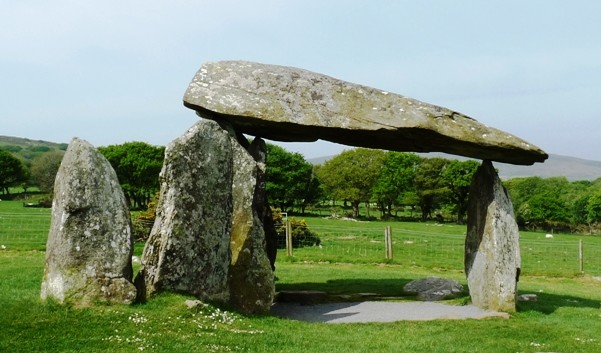
Pentre Ifan. This ancient structure is about ten miles from Dinas. Go along the main road towards the turn off to Nevern and look for the signs. Photo credit Gareth Jones

A more modest example can be found on the edge of a small housing estate in Newport.

Then, not far away, across the Irish Sea there are the splendid dolmens of Ireland. Click here for some great photographs.

Posted in History, Religion | Tagged , , , , , , , , , , , , , | 1 Comment

The Sea Captain’s bookshelf

Anyone studying family history in the Dinas area or merely haunting the graveyards to read the tombstones will know that too many mariners died at sea.

Board of Trade inquiries into maritime disasters in the 19th century showed that a ship could be saved if the master knew more about the pattern of storms in the tropics. As a result the syllabus was extended and this little book, published in 1884, was  written as a text-book , covering this new area of the curriculum, for would-be officers studying for their professional competency exams.

Many of the topics covered are technical and very specific but the author is aware that he is covering new ground and is encouraging to young mariners. He includes a number of clear illustrations and vivid descriptions that will convince his students that J. Macnab Lieut. R. N. R. knows what he is talking about.

The second half of the book contains possible examination questions and model answers. Like generations of teachers, he first reminds his readers “Never attempt to answer any question without first reading it carefully from end to end“.

Q. 22. — Give the usual indications of the approach of a cyclone in the tropics.

A. — Generally the weather becomes unsettled a day or so previously, and a long rolling sea sets in from where the storm is. Next, the barometer begins to fall (see No. 19) ; the thermometer rises as the atmosphere becomes more sultry, and ultimately the appearance of a dense bank of cloud betokens that the dread visitor is at hand.
As it draws nearer, the wind rapidly freshens, and seems to be tearing great ragged pieces of cloud from the bank. The sea now begins to run higher and cross, the sky presents a wild and terrifying appearance, while the true hurricane wind comes in ever increasing squalls. When fairly involved, the ship will find herself in a dreadful war of the elements, sea and sky literally mingled together, the wind coming in irresistible gusts in rapid succession, with — one might say — a whole gale for broken stowage. In some cyclones there is much lightning, but the thunder is inaudible amid the roar of the storm.

The complete text can be found here: https://archive.org/stream/catechismlawsto00macngoog#page/n6/mode/2up

Posted in History, Sea | Tagged , , , , , , | 1 Comment

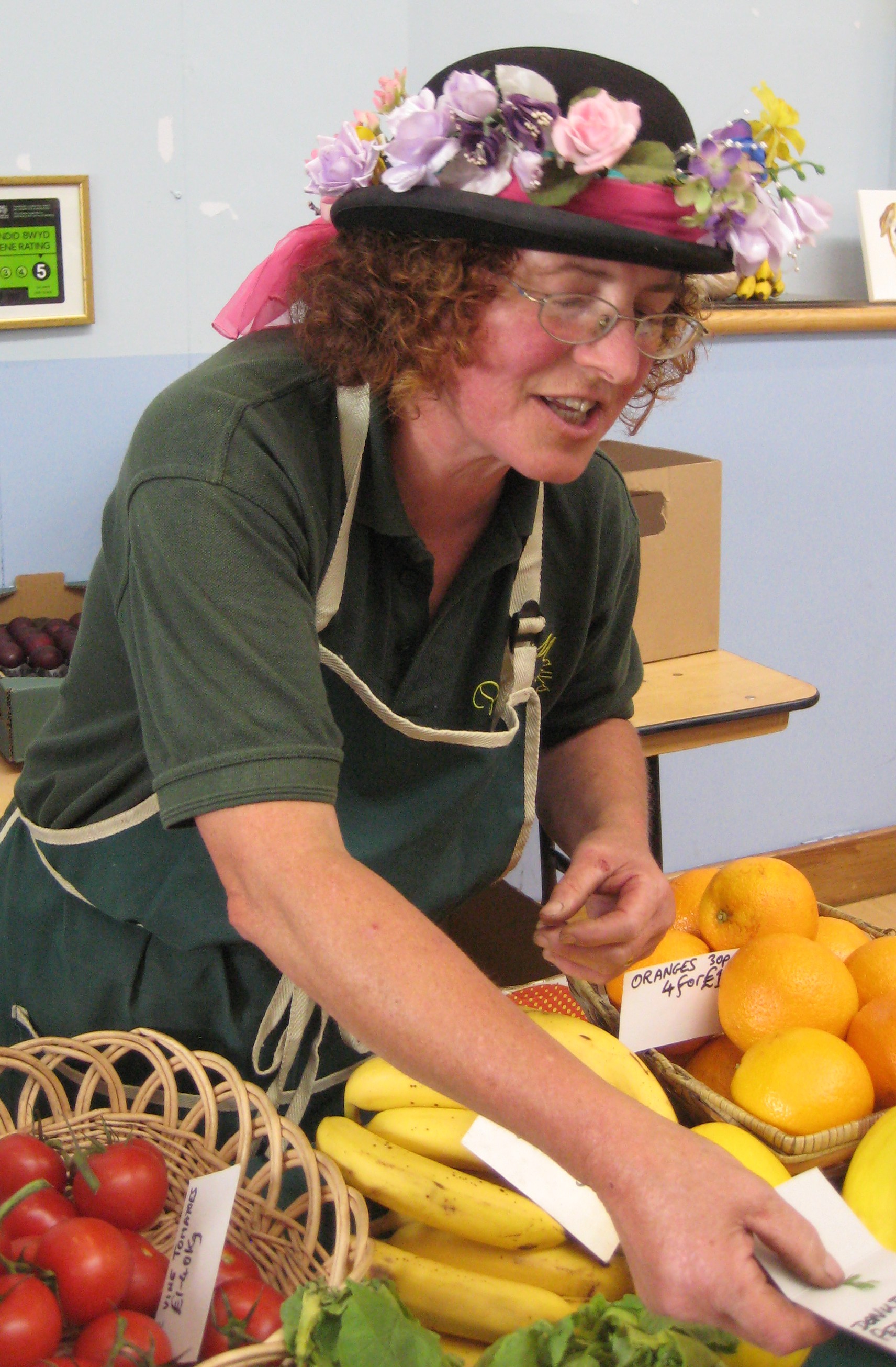
Better hatted than the staff at Tesco’s

Just the hat for the fruit and vegetable stall

Love the hat

This is the fruit and vegetable stall at Fishguard market. Every Thursday in the old Town Hall. Give it a try!

Posted in Farming, Food | Tagged , , , , , | 1 Comment

Help needed. Can you tell us anything about this sailing ship?

Ada (1)

One of this blog’s followers, to whom I am probably related, would love to know more about this ship.

The picture hung in her grandparents’ house in Brynhenllan  for as long as anyone can remember but nobody in the family knows anything about it. Ada is not a family name so she assumes it really is the name of the ship. Her grandfather, from Dinas, came from a family of many mariners while many of the men in her grandmother’s family were trawlermen in the Aberdeen area.

The picture is not signed nor is there anything written on the back. Can you help us? Do you know anyone who can?

Posted in Art, History, Sea | Tagged , , , , , , | 2 Comments

From Welsh to London Welsh

Some time towards the end of the 1860s, my distant cousin, Thomas George, moved from Llanwnda near Strumble Head in North Pembrokeshire to South West London, where he worked as a carpenter, married and brought up his large family. Had he remained in West Wales his boys would have probably worked as farm labourers or gone to sea and I’m not sure what the girls would have done. In London, however,  there was such a demand for schooled young people to administer the expansion of businesses and globalisation of trade that 1 in 10 of employed males worked as a clerk.*

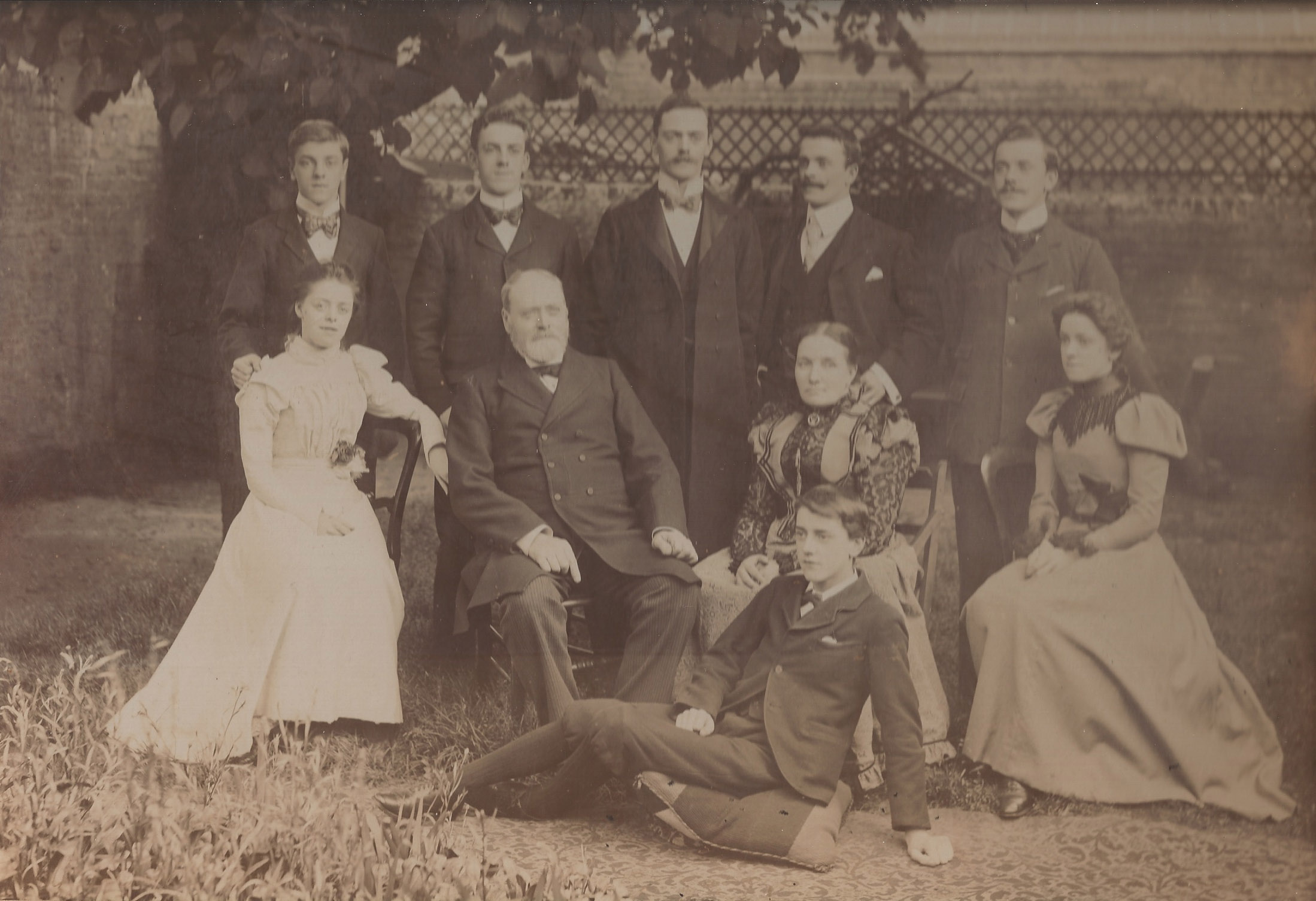
Chelsham Road family

In London the George boys found office jobs as soon as they left school at 14 and the girls started work as dressmakers’ apprentices. They worked hard as Llewelyn, aged 17, makes clear in this letter addressed to his younger sister’s employer and copied into his little notebook.

At 17 Llewelyn was a warehouse clerk, continuing his education at night school. He attended courses in shorthand, drawing freehand, reading, arithmetic, modelling in clay, wood carving, English grammar, botany and musical drills. At 27 Llewelyn was a solicitor’s clerk and ten years later, according to the census, ‘a lawyer’s clerk’, while his brothers clerked in banks, customs houses, estate agents and insurance offices. As clerks they were part of the largest single working group in the capital; there were plenty of opportunities for promotion and they did well for themselves.

*Work, income and stability: The late Victorian and Edwardian London male clerk revisited by Michael Heller

Posted in Farming, History, Sea | Tagged , , , , | Leave a comment

The Windrush

The Windrush, painted by a sailor on the shipUntil a few weeks ago this canvas lay hidden, rolled up in a trunk in the attic of a Dinas cottage where it had probably lain undisturbed for 100 years or so.

The painting belonged to Capt John Walters, known to my father as Uncle Johnny, who was apprenticed to the master of the Windrush* at Bristol docks round about 1890. The artist had been a shipmate who, like all sailors according to Uncle Johnny, had to occupy himself between the busyness of leaving one port and arriving at the next. He didn’t rate the never-ending task of removing rust from the handrails and repainting.

flagsGiven that the artist was a sailor, I thought that maybe the signal flags on the ship would have a message for us, so here is the key to the alphabet that was used before they had radio communication.

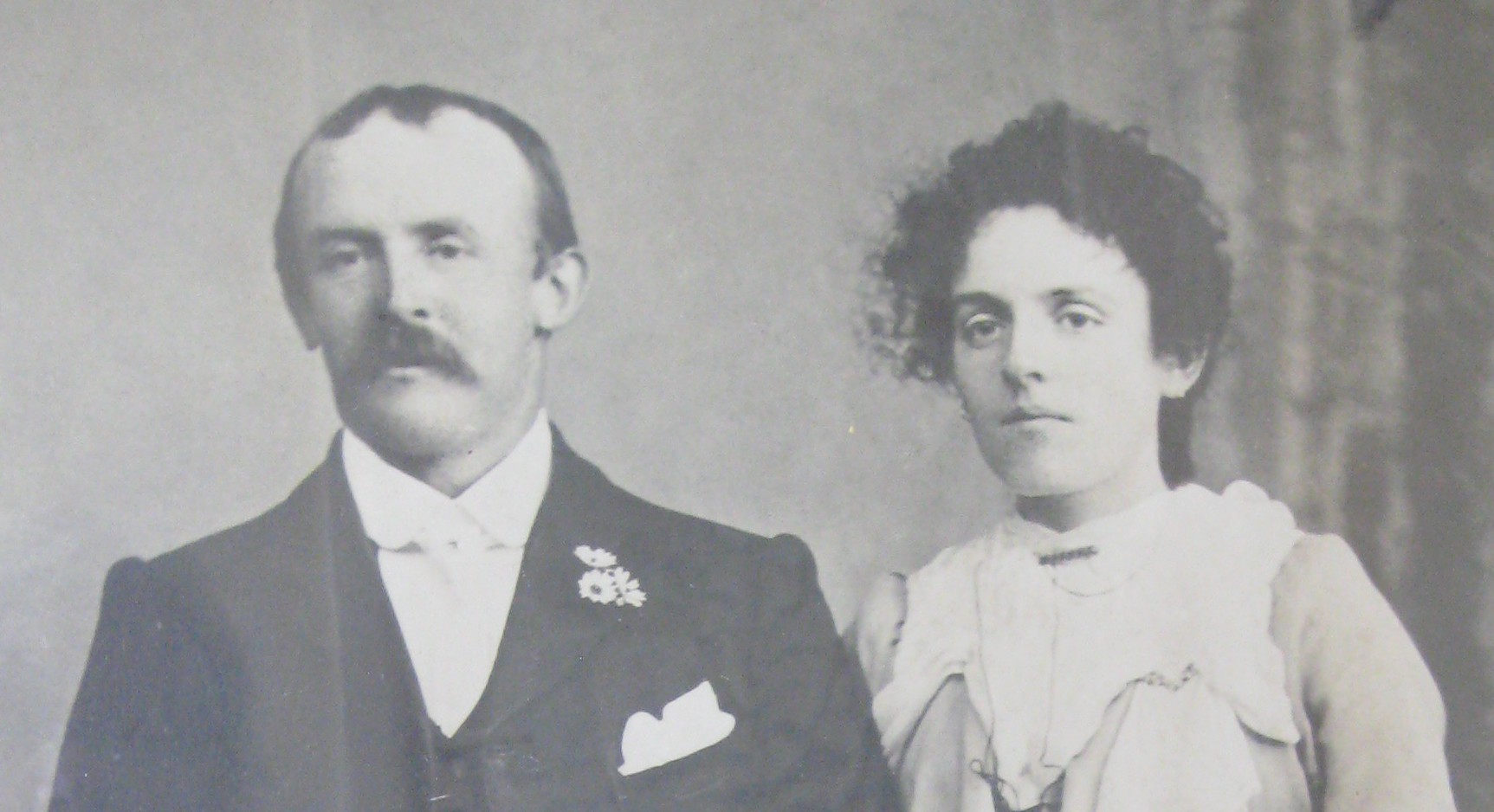
This photo shows Capt John Walters with his wife, Elizabeth, née George.

IMG_4453*As far as I know, this Windrush had no connection to The Empire Windrush that brought the first Caribbean immigrants to London from Jamaica in 1948.

Another painting of the sailing ship Windrush is owned by The Pannett Art Gallery in Whitby. The picture can be seen on the BBC’s ‘Your paintings’  site by clicking here.

Posted in Art, History, Sea | Tagged , , , , | 4 Comments