Last minute presents anyone?

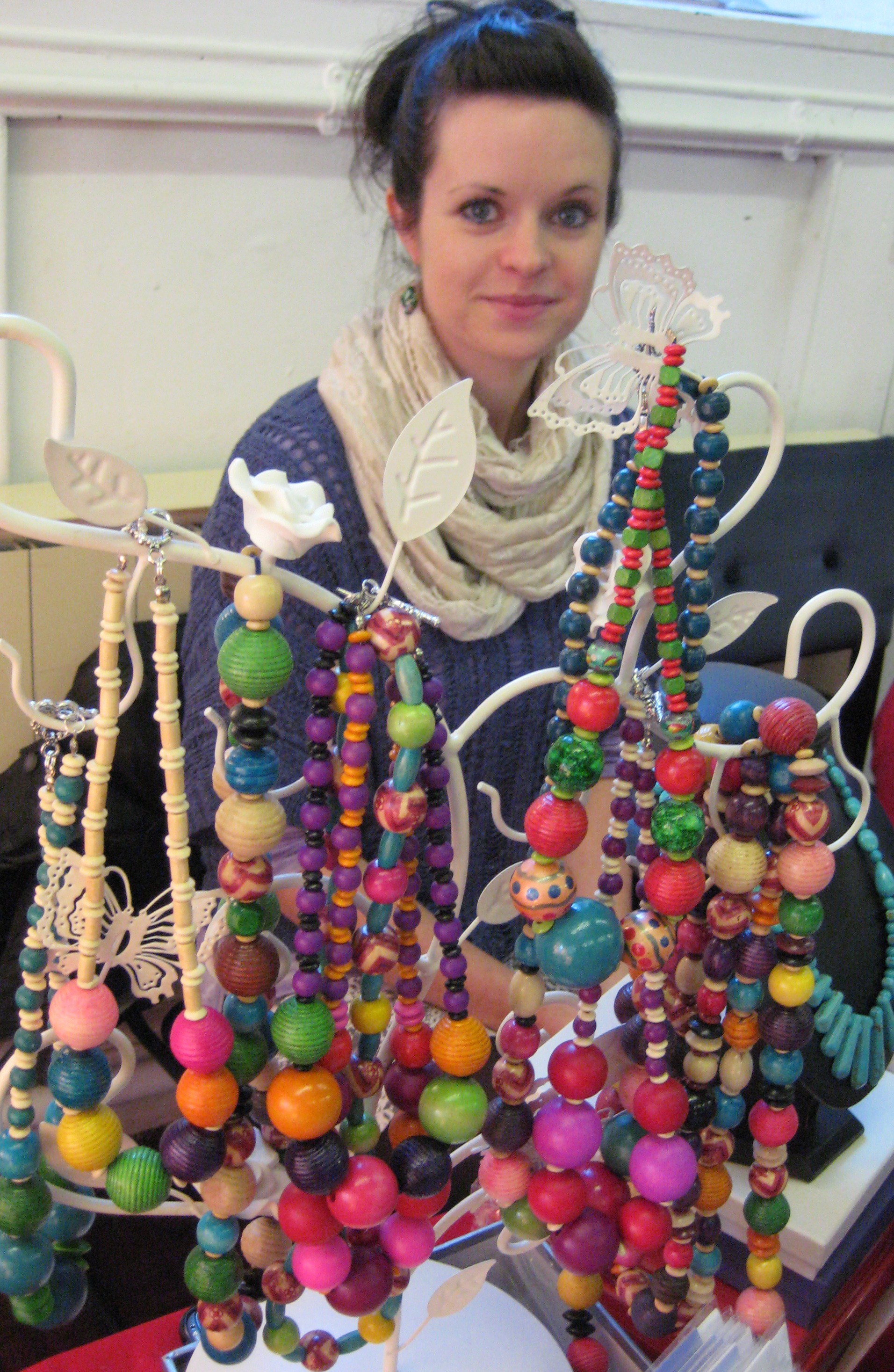
IMG_3987Natalie’s beautiful beads were on sale at Dinas’s Christmas market in the old school (Yr Hen Ysgol).

Natalie usually just makes the beads for family and friends – it’s a hobby that she enjoys. However, I noticed that her stall at the fair was very popular and my first choice beads had already been sold my the time I got to the front of the queue.

So if you’re looking for a one-off birthday present, get in touch with Natalie- she lives in Dinas.  Describe what you would like and she might even make it to order!

Posted in Crafts | Tagged , , , , , , | 1 Comment

Driven to reading

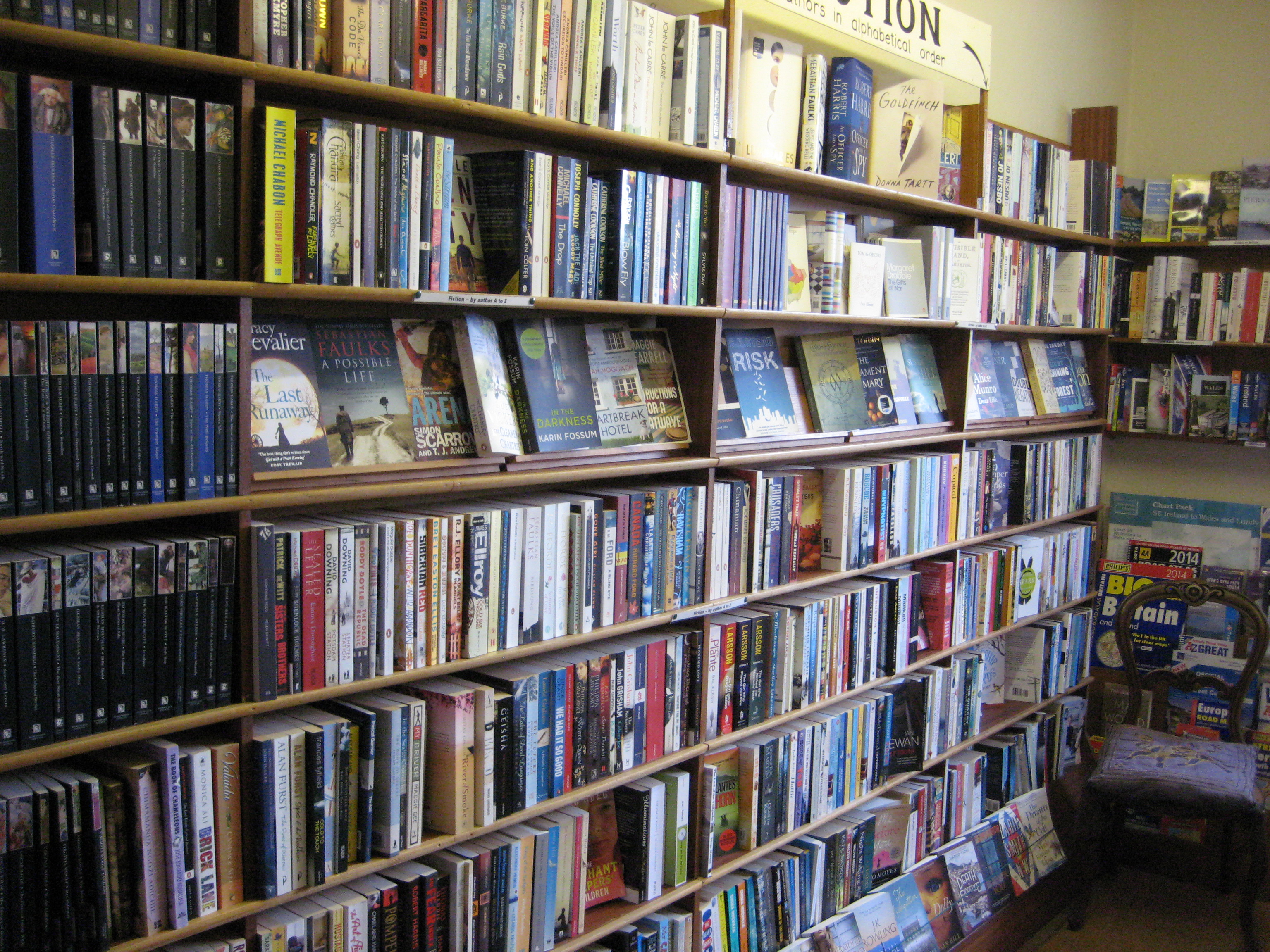
Seaways Bookshop FishguardBridget and Barbara have been commuting through Dinas for the past four years, from their homes in Newport and Newcastle Emlyn to their beautiful ‘Seaways’ bookshop in Fishguard’s West Street. The shop has been there a long time, but was rescued by the present owners about four years ago when it was in danger of closing down. So Fishguard has its own independent bookshop,  featured in The Guardian’s Guide to Bookshops in Wales. It’s a rare treasure to be used and appreciated by all who visit the town.

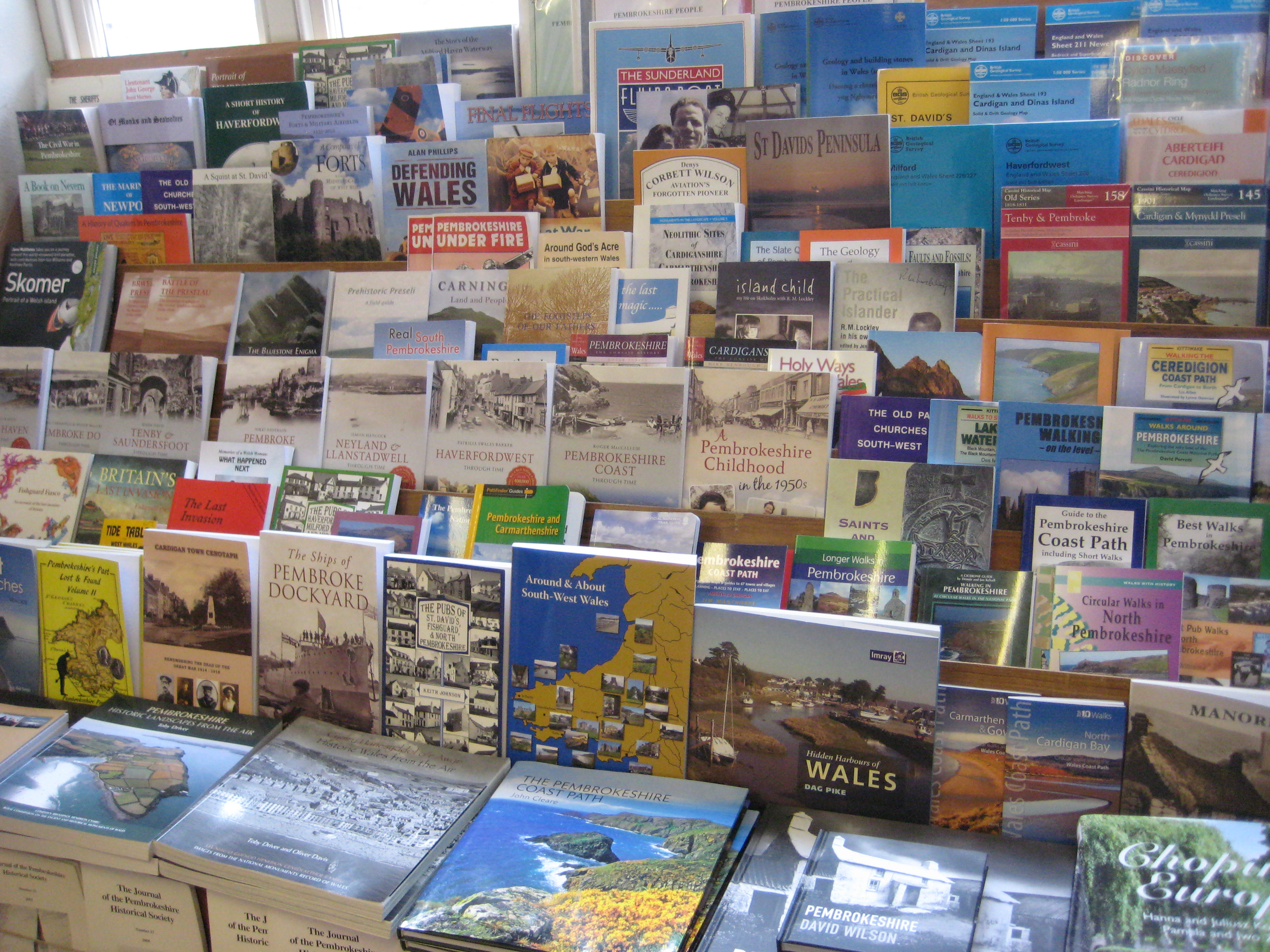
There is a brilliant section of local interest books,

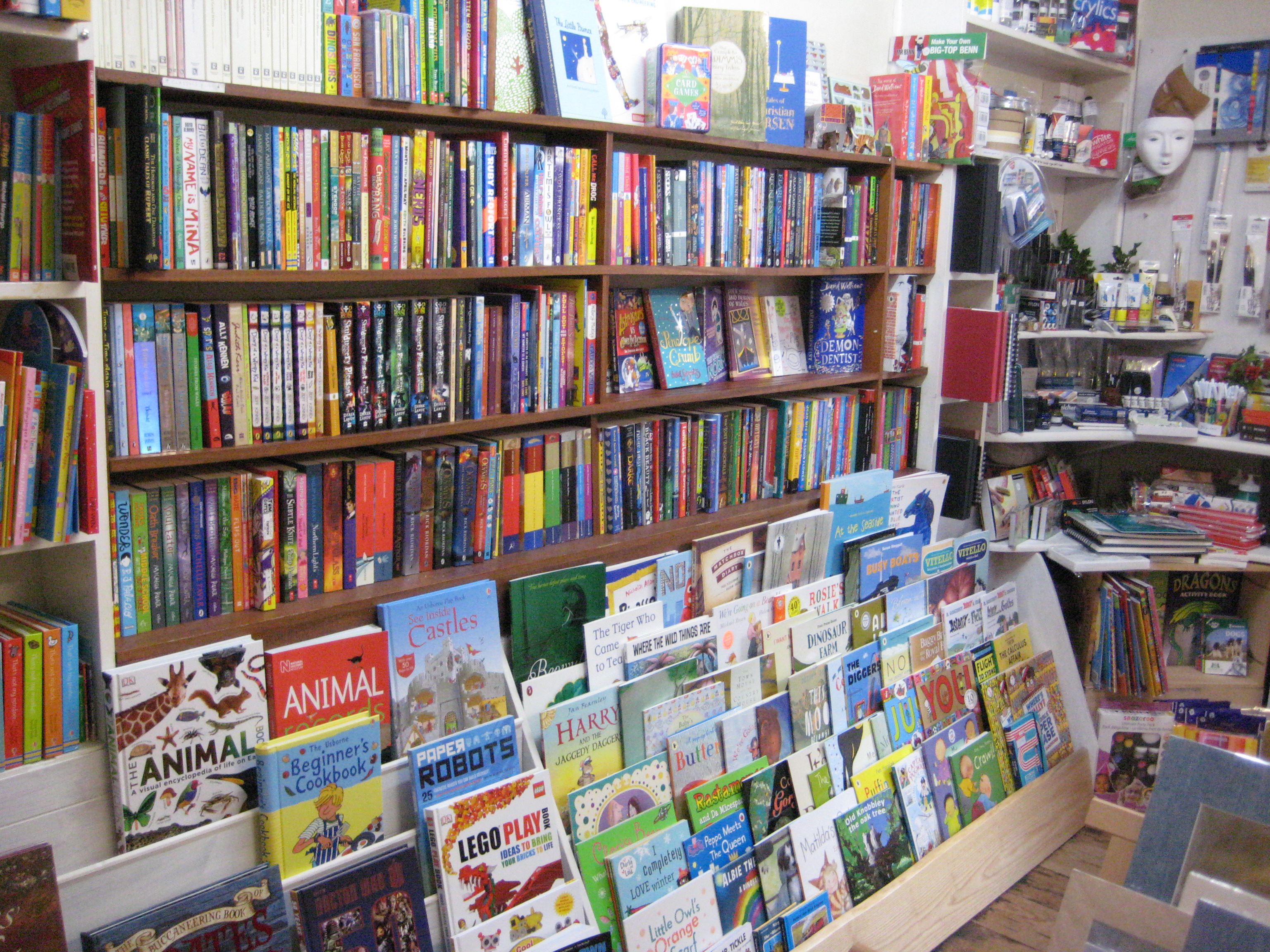
IMG_3908but also a good children’s section (English and Welsh)

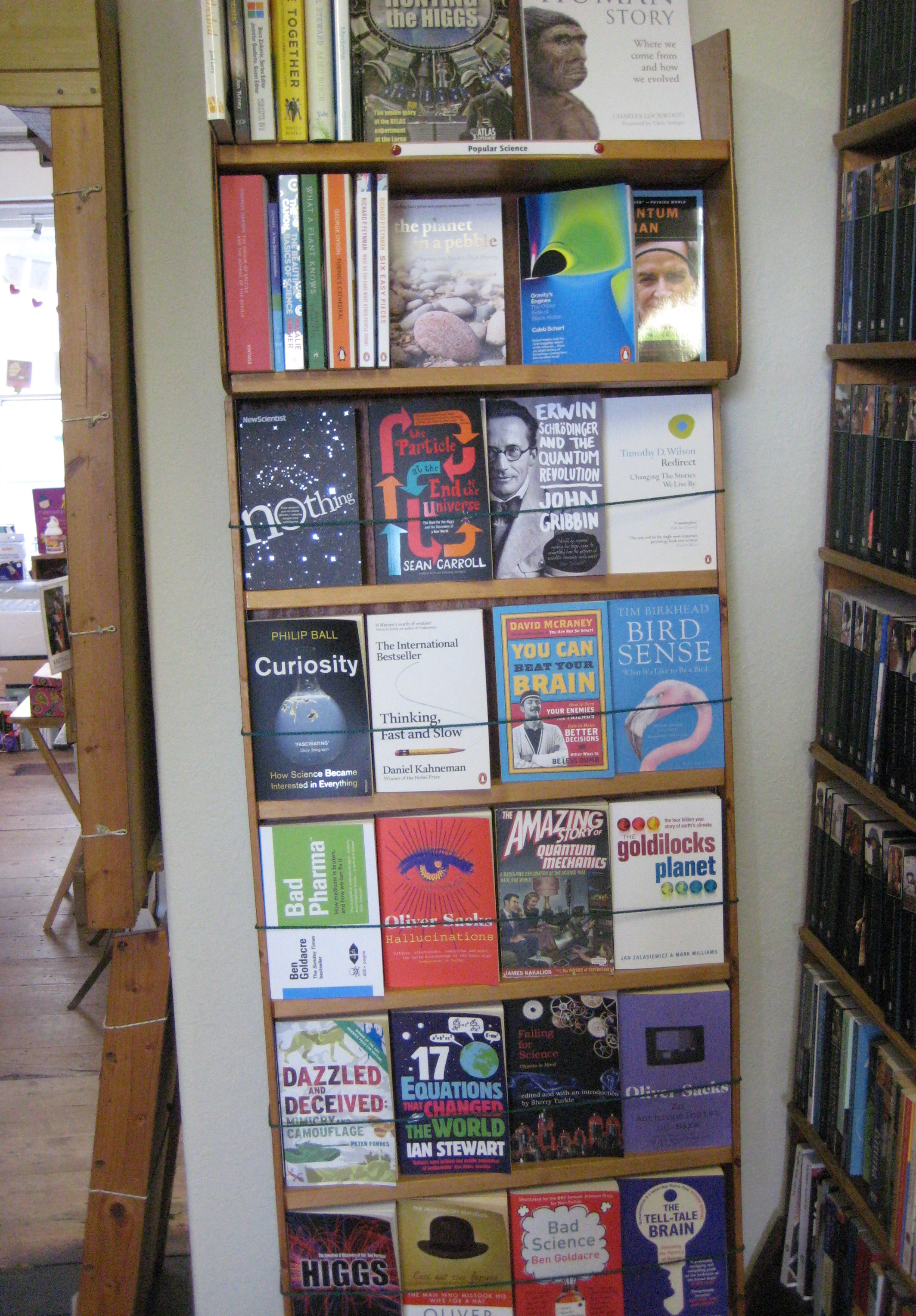
IMG_3913non fiction (a lot more than I could fit into the photo),

IMG_3911

fiction

IMG_3906

and a whole room of bargain shelves and cards.

Conscientious browsers will also find some delightful crafts, hand-made by local artists. Have a look at their Christmas advent calendar window now. Get up close to see the month’s worth of creative surprises that will be coming to its Christmassy best over the next few days.

Posted in Art, books, Crafts, Welsh language | Tagged , , , , , , , , | Leave a comment

Dinas hedgerows at the beginning of December

This gallery contains 11 photos.

More Galleries | Tagged , , , , , , , , | 1 Comment

What to do with all that seaweed

Personally, I don’t do much with seaweed, but I’ve been given a couple of good ideas in Dinas. The first suggestion came from a man who was pushing a wheel barrow full of seaweed up from Aberfforest beach. He told me that it was just the thing for his asparagus beds.

Handmade in the Shade with seaweed from Pwllgwaelod beach

Handmade in the Shade with seaweed from Pwllgwaelod beach

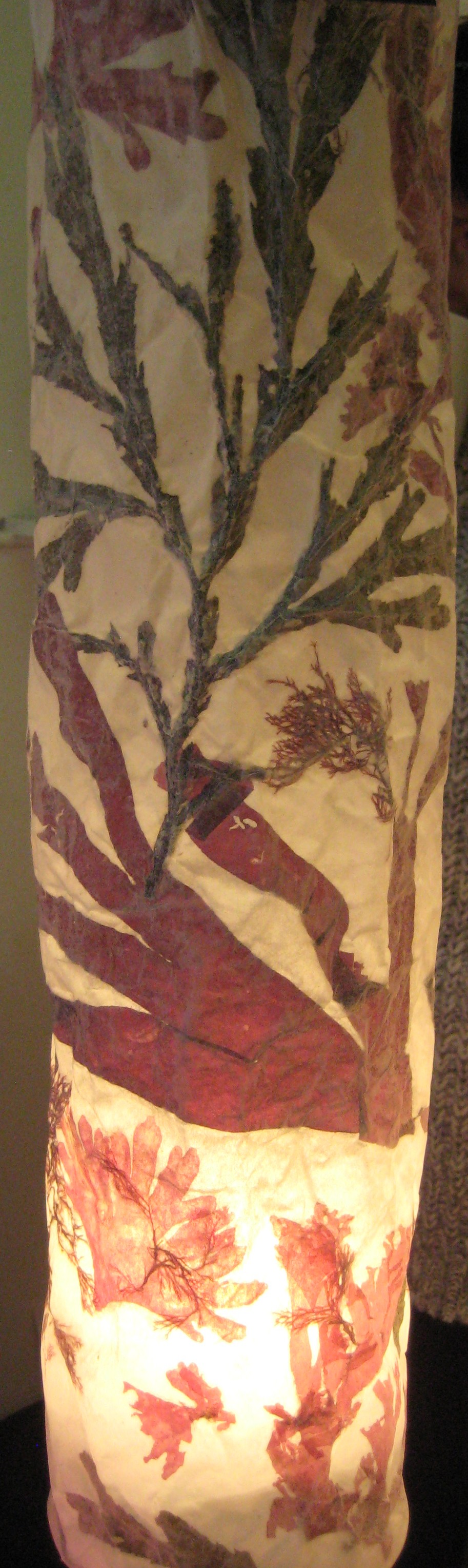
The second suggestion came at this year’s Dinas Christmas fair at the old school (Yr Hen Ysgol) on the ‘Hand-made in the Shade’ stall where I saw this beautiful lampshade, decorated with seaweed from Pwllgwaelod. I just love the red colour.

Anny Carson-Clash sells these lampshades at Fishguard’s market every Thursday and also features her crafts on her Facebook page. These shades diffuse the light, hide ugly light-bulbs and provide a lovely warm glow in the room.

I have since found a fellow blogger who has helped me identify this red seaweed as Rhodymenia palmata or dulse. In a usefully illustrated post he explains how to collect it, clean it, dry it and then eat it.

Posted in Crafts, Food, Nature | Tagged , , , , , , , , | Leave a comment

From Dinas to Tenby and back

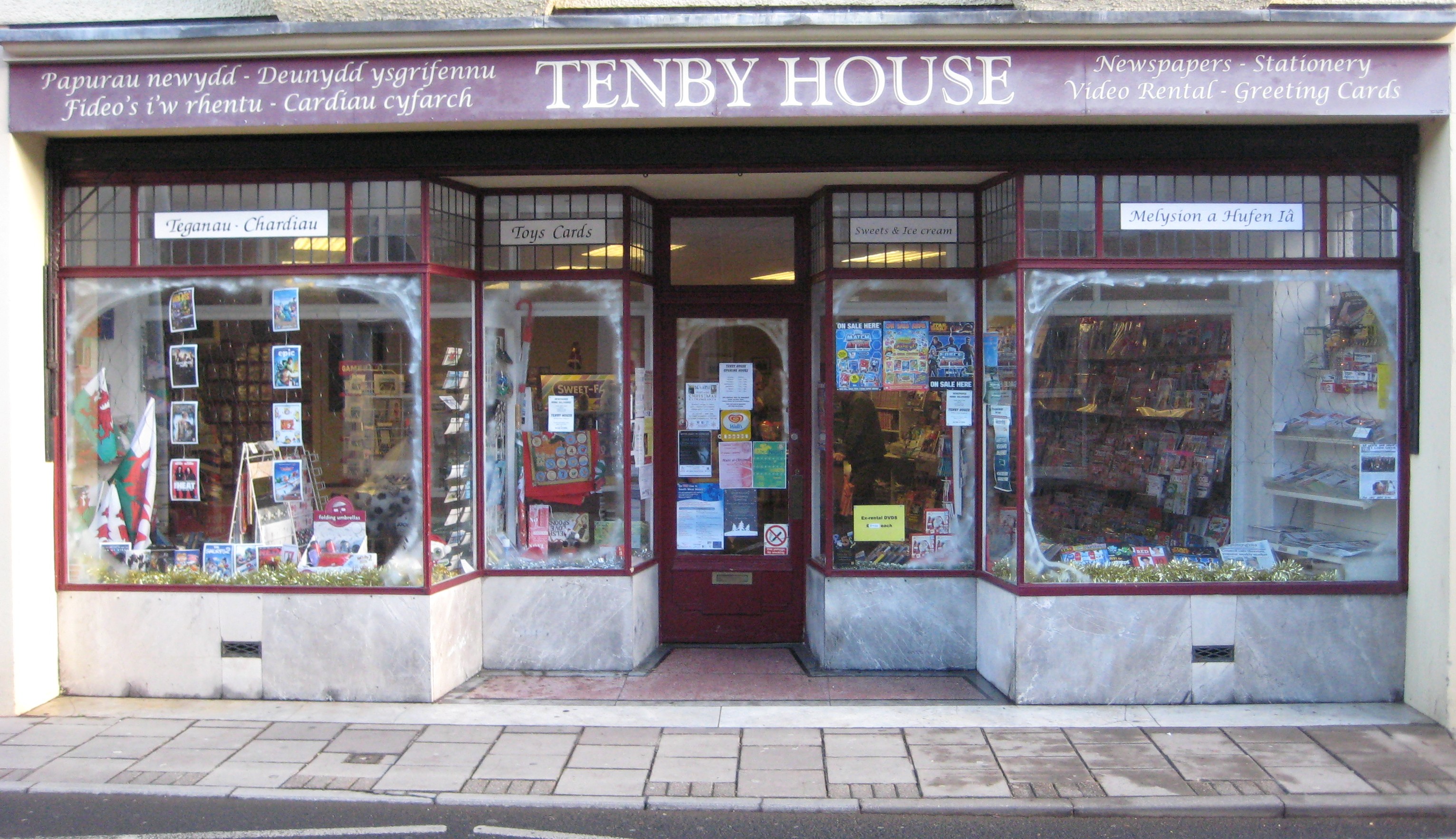
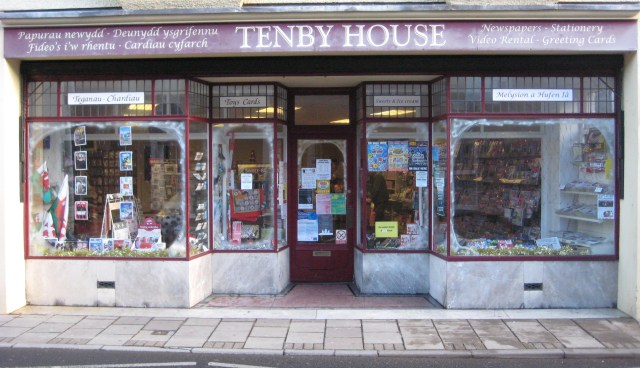
Tenby House FishguardI’ve no idea why this lovely shop is called Tenby House. Can anyone tell me? It’s been on West Street in Fishguard for as long as I can remember. It looks like the archetypal shop – the sort that children can construct with a ‘Make a Model’ cardboard kit, sharp scissors and nimble fingers. Inside, you’ll find the card, paper, glue and everything else you’d need for the project.

You’ll also find  a good selection of DVDs to rent

and  greeting cards, stationery items, newspapers, magazines, sweets, crisps, chocolate and ice-creams.
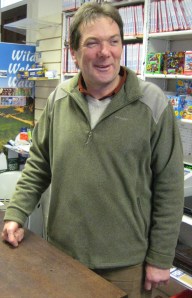
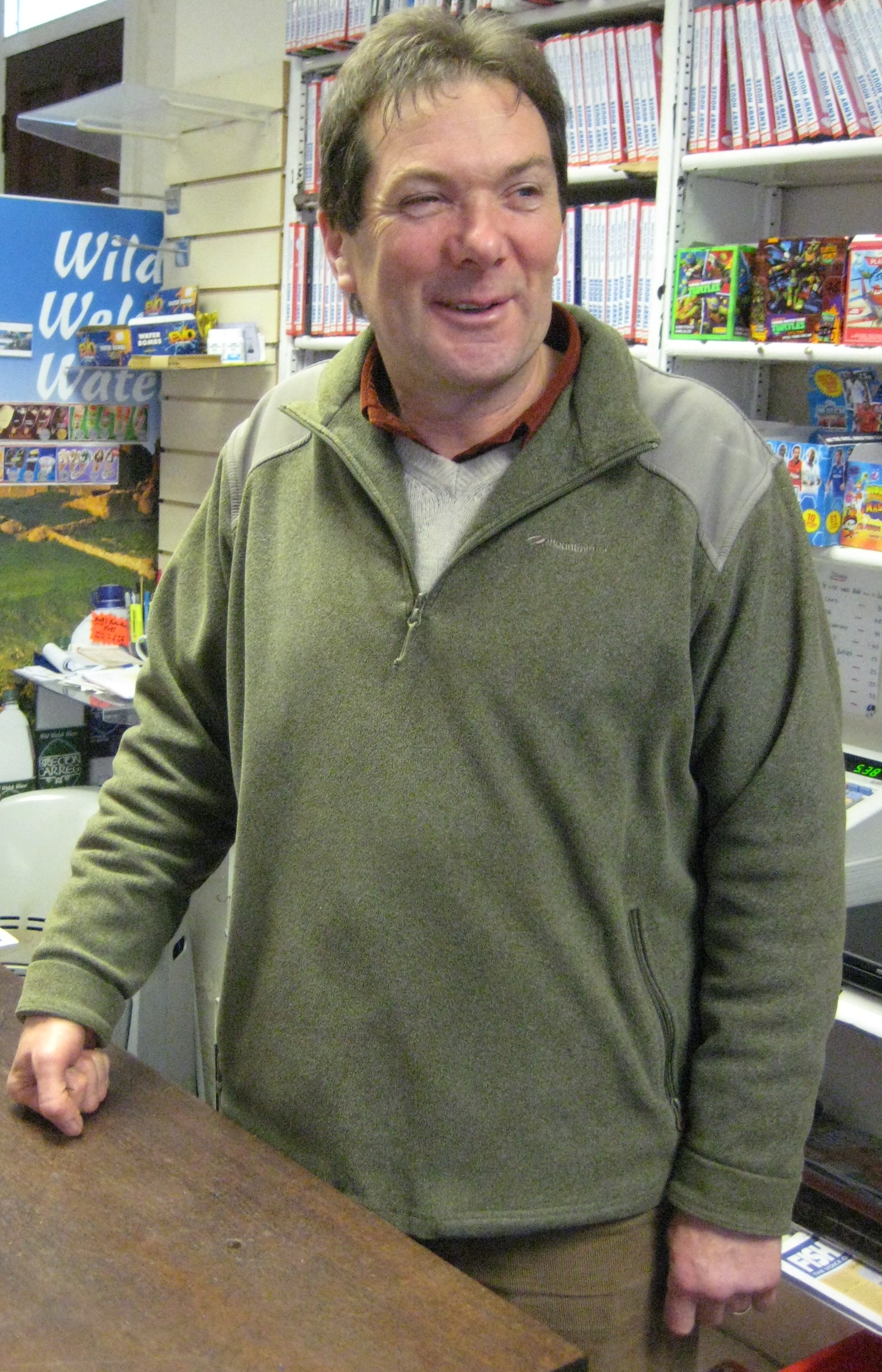
Ian PageMore importantly, you’ll find Ian, Dinas resident and friendly shop-keeper. He’ll help you with your purchases, have a chat if you’ve got time and remind you that shopping can still be a pleasure, with personal service and no pressure.

Ian grew up in Dinas, living in a house right on the main road at a time when there were even fewer cars than there are today. However, the village cats were no better at the green-cross code then than they are now; Ian’s garden had a cats’ cemetery corner for the giddy animals that didn’t realise they had to look right, left and right again before venturing across the A487.
Posted in Crafts | Tagged , , , , , , , , , , | 1 Comment

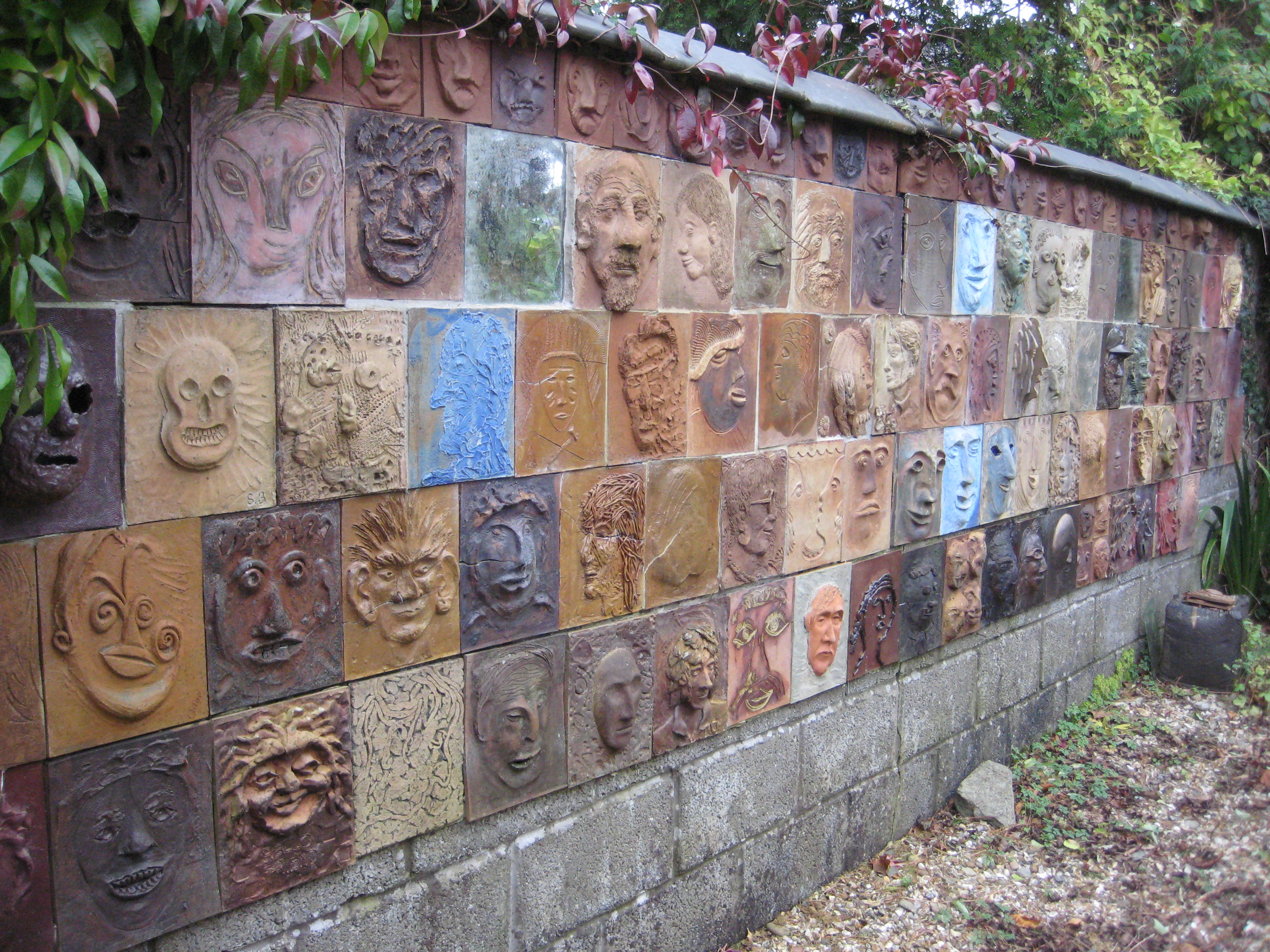
Len Rees’ wonderful wall

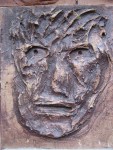
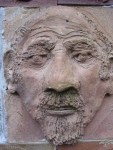
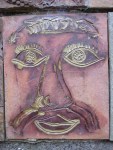
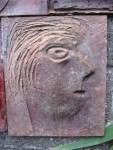
Len Rees is a Dinas potter

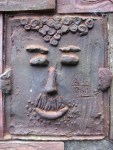
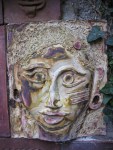
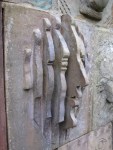
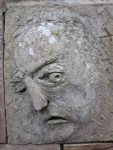
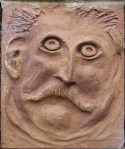
with a garden wall that celebrates his friends, family and neighbours, both as models and contributing artists. IMG_3740

Here are just a few in more detail. Click on a face for a close-up view.

The project began twenty years or so ago and there are still two rows to be filled. The next two faces to join the wall have been made by friends and are in his studio now, waiting to be finished and fired.

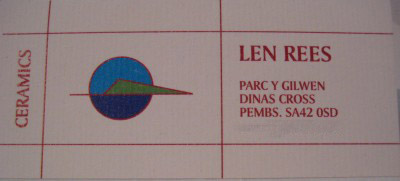
Len Rees cardLen Rees’ work can be viewed and bought from his studio and truly beautiful gallery in Bryn Henllan, where you can also see the work of other local artists.

Posted in Art, Crafts | Tagged , , , , , , , , , , | Leave a comment

What does a newly retired teacher do?

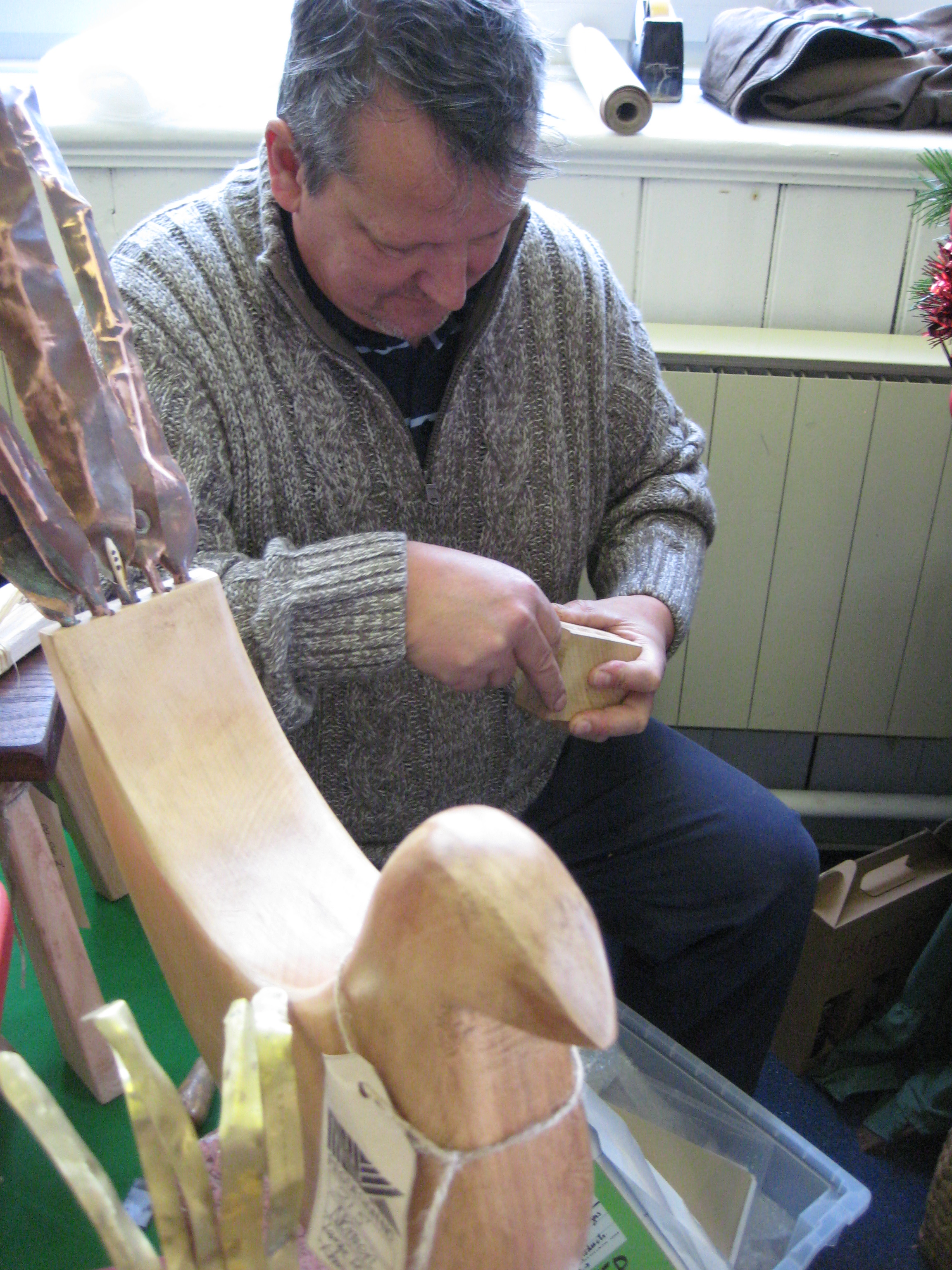
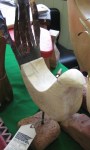
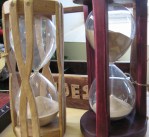
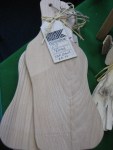
IMG_3974Nick is so newly retired that his name in Google brings you to Fishguard High School (Ysgol Bro Gwaun) where, as head of the art department, he was responsible for the art policy and high ratings from his ex-students. He is now combining his creativity and craft skills in a new role as furniture maker and restorer. He makes one-off pieces, using local wood if possible, and brought some of his smaller pieces to sell at the Dinas Christmas Fair last Saturday. He makes tables, chairs and more, using elm, oak or ash but you’ll have to visit his workshop to see them. Here is a sample of his more portable items: lovely to look at and lovely to touch.

IMG_3975

For more information about his work,  here is Nick Kinver’s card. The card is beautifully designed and I (and my camera) take full responsibility for the wobbly lines and odd spacing. Some of Nick’s work is featured on his new blogspot site but remember that if you want to see the real thing, there’s not far to go. He lives on our side of Fishguard, a couple of miles along the A 487.

Posted in Art, Crafts | Tagged , , , , , , , , , , , , , | Leave a comment

Winter rambles in Pembrokeshire

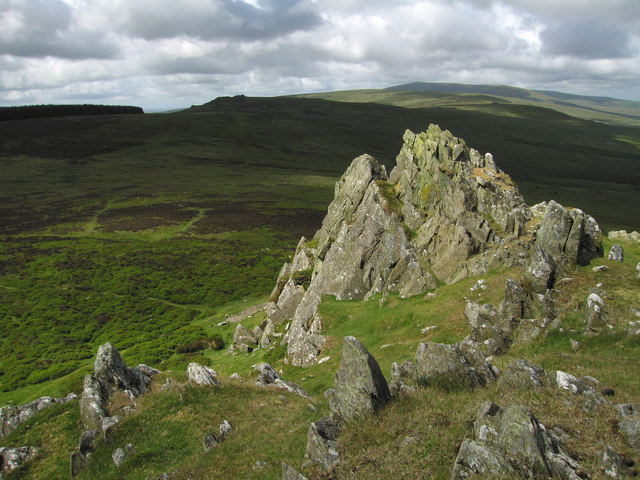
South West View from Foel Drygarn

South West View from Foel Drygarn © Copyright Dave Croker and licensed for reuse under this Creative Commons Licence.

Here is a quick preview of the Pembrokeshire Ramblers’ Winter Programme. Their friendly, welcoming website gives much more information and contact details.

  • 23rd Nov:  Freshwater West, Angle Peninsula
  • 30th Nov: Whitland to Narbeth
  • 8th Dec: Musselwick and Sandy Haven
  • 15th Dec: St Florence, Lydstep
  • 21st Dec: Marloes
  • 26th Dec: Merlins Bridge area
  • 1st Jan: Treffgarne/Spittal
  • 5th Jan: Rhydwilym/Llangolman
  • 11th Jan: Llawaden
  • 19th Jan: Little Mitford and Freystrop
  • 25th Jan: Lamphey, Swan Lake Bay
  • 1st Feb: Burton to Haverfordwest
  • 2nd Feb: St David’s Head
  • 8th Feb: St Florence
  • 15th Feb: Eastern Preselis / Foel Drygarn
  • 16th Feb: Cosheston area
  • 22nd Feb: Drefach / Felindre

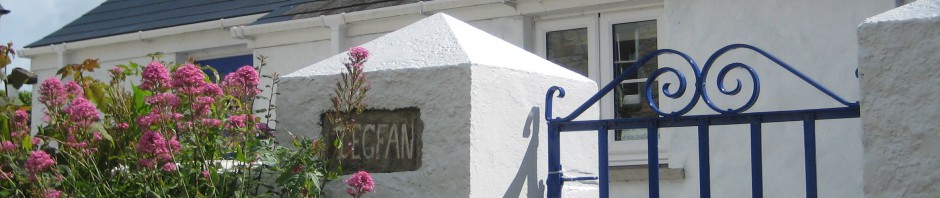
They average two miles an hour and pay proper attention to coffee stops and lunches. And should you be cold and wet by the time you get to the end of the walk, be reassured that Tegfan will welcome you warmly on your return.

Posted in Nature, Walking, Wildlife | Tagged , , , , , | Leave a comment

What could another language do for you?

When we drive from Cheshire to Pembrokeshire, there are language clues that remind us that we have crossed the border from England into Wales.

There have been numerous studies that show how good language learning is for the brain.

One aspect of such research shows that bilingual children ‘notice’ better how language works and outperform monolingual children in tasks linked to language awareness, such as distinguishing whether a sentence is grammatically well-formed from whether it is truthful.

But the benefits go even further, as Dr Alexopoulou explained: “Studies show that a bilingual child is better able to cope with tasks that involve attention, memory and concentration. The mental gymnastics needed to constantly manage two or more linguistic systems increases cognitive flexibility and makes learning easier.”

– See more at: http://www.cam.ac.uk/research/news/bilingualism-is-good-for-learning

In the light of these findings, I’m full of admiration for these new parents who, resident in Wales but of recent Scottish/English origin, have decided to bring their baby up bilingual in English and Welsh.

Go on. Find a spare ten minutes and read about their adventure here.

Posted in books, Welsh language | Tagged , , , | 5 Comments

(Not) Sleeping with wild animals

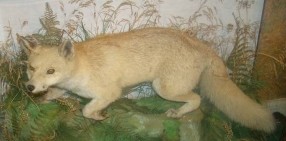
Stuffed fox in a caseI must have seemed an awkward and stubborn child.

On our summer holidays in Dinas I was lucky to have a  bedroom to myself. The sunny room was quite delightful and I slept on a feather bed that I knew was like floating on clouds. But there was a problem with the wild animals that were part of the furniture; I refused to sleep with them in the room. I can’t remember the exact reason. I don’t think I found them frightening but I didn’t like them there.

There were more dead animals on the landing just outside my bedroom.  I remember paying them closer attention and admiring their colours but wondering whether the plants and the rocks looked quite right and whether the sky was not rather too blue.

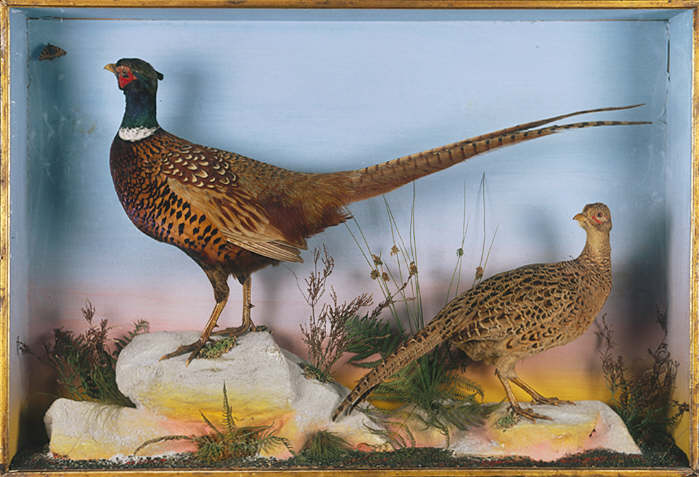
stuffed pheasants in a caseSo when we arrived for our Dinas summers, there was some heavy lifting and careful manoeuvring of these large glass cases before I could be persuaded to go to bed.

It never occurred to me to admire the art of the taxidermists, nor to speculate on the story of the animals and how they came to end up on display in my great-aunt’s house in Dinas. I have now learned, however, that there were two taxidermists working in West Wales, whose work is still much prized: James Hutchings of Aberystwyth, whose family business was established in 1860 and continued for seventy years and Thomas Jefferies of Camarthen whose family business also closed in the 1930s. I don’t know who stuffed the animals that I banished from my bedroom. The quality of the glass cases is probably the best indicator of  their provenance but, to be honest, I find these items of only historical interest and still find them rather creepy.

Posted in Crafts, History, Nature, Wildlife | Tagged , , , , , , , | Leave a comment

Pembrokeshire for epicures and sybarites

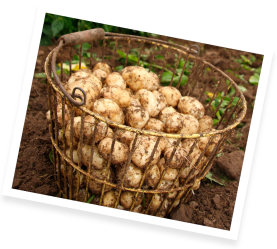
Pembrokeshire earliesIf you’re the kind of person who marks the third Thursday in November with a bottle of Beaujolais Nouveau, looks forward to enjoying wild game birds from the Scottish moors in September and the first daffodils from Cornwall in January make a note in your diary to stay in Tegfan in early May. Your stay will coincide with the first harvesting of the Pembrokeshire early potato; it has protected designation of origin and, according to DEFRA is

small in size, 15 – 70mm diameter, due to the young age of the potatoes when harvested and the fact that the ground is not cleared of stones prior to harvesting. The potato is round or oval in shape with a soft skin and distinctive strong earthy nutty flavour and aroma. It has a creamy texture and is a bright white colour which is consistent throughout …..

This delicious potato is grown on local farms, marketed by Puffin Produce (based on our side of Haverfordwest) and gets into local shops with the greatest of speed and the smallest of carbon footprints.

Posted in Farming, Food | Tagged , , , , , | Leave a comment

How well do you know your cawl spoons? (A quiz)

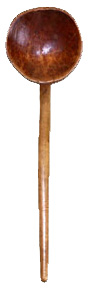
Cawl spoonCawl (more of that another time) was traditionally eaten with a wooden spoon. If, like me, you don’t fancy the idea of eating soup from the sort of wooden spoon you might use for stirring cake mixture, let me assure you that the texture of the wood used was very different. Cawl spoons were hard and got shiny with use and age. The right wood made all the difference. Here’s a quiz to check whether, as far as wood is concerned, you know what’s what. You’ll find the answers in small print at the end.

Which of the following:

Poplar, Ebony, Cedar, Sweet-Chestnut, Boxwood, Balsa, Oak, Willow, Teak, Ash, Hornbeam, Sycamore, has been used to make:

  1. Cawl spoons
  2. Skittles, croquet mallets, chessmen and shuttles in the silk industry
  3. Ornamental bowls and kitchen utensils, walking sticks, umbrella handles and casks for oils and fats
  4. Matches
  5. Musical instruments, especially pianos, clavichords and harpsichords. Also drum sticks and billiard cues
  6. Hockey sticks, baseball bats, cricket stumps, tool handles
  7. Insulating material, packaging
  8. Church furniture and mining timber
  9. Ship decking, rails and hatches
  10. Cigar boxes and sounding boards for organs
  11. Cricket bats and artificial limbs
  12. Tool handles, door knobs, violin finger boards and pegs, piano and organ keys.

Answers (based on a close reading of ‘The Handbook of Hardwoods, published by HMSO’) below:

Sycamore/Boxwood/Sweet Chestnut/Poplar/Hornbeam/Ash/Balsa/Oak /Teak/Cedar/Willow/Ebony
Posted in Crafts, Food, History | Tagged , , , , , , | Leave a comment