Master of MV Laurelwood pining for home


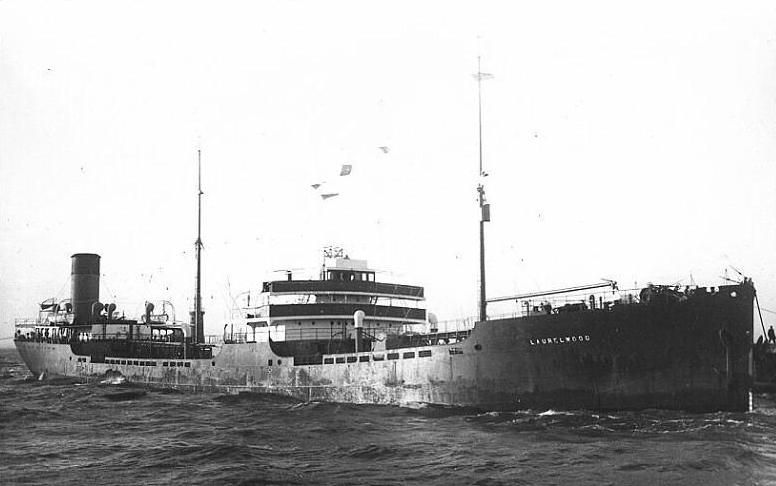
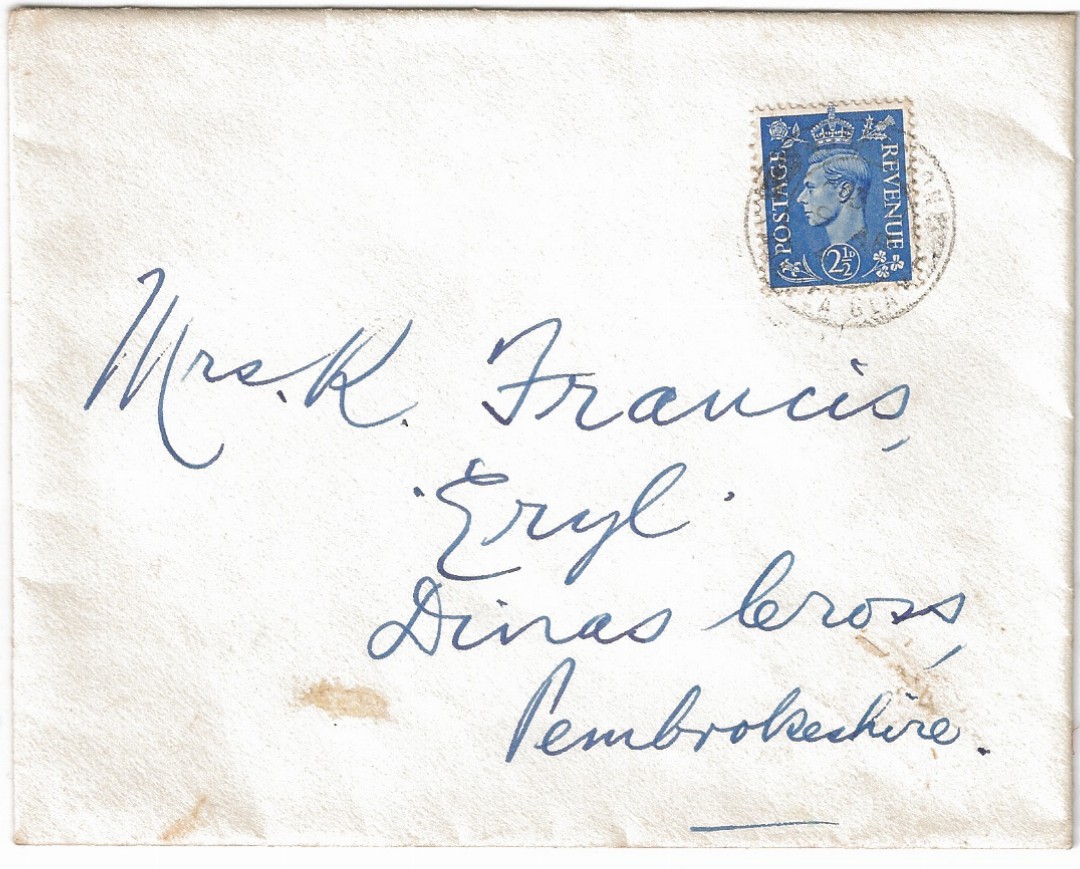
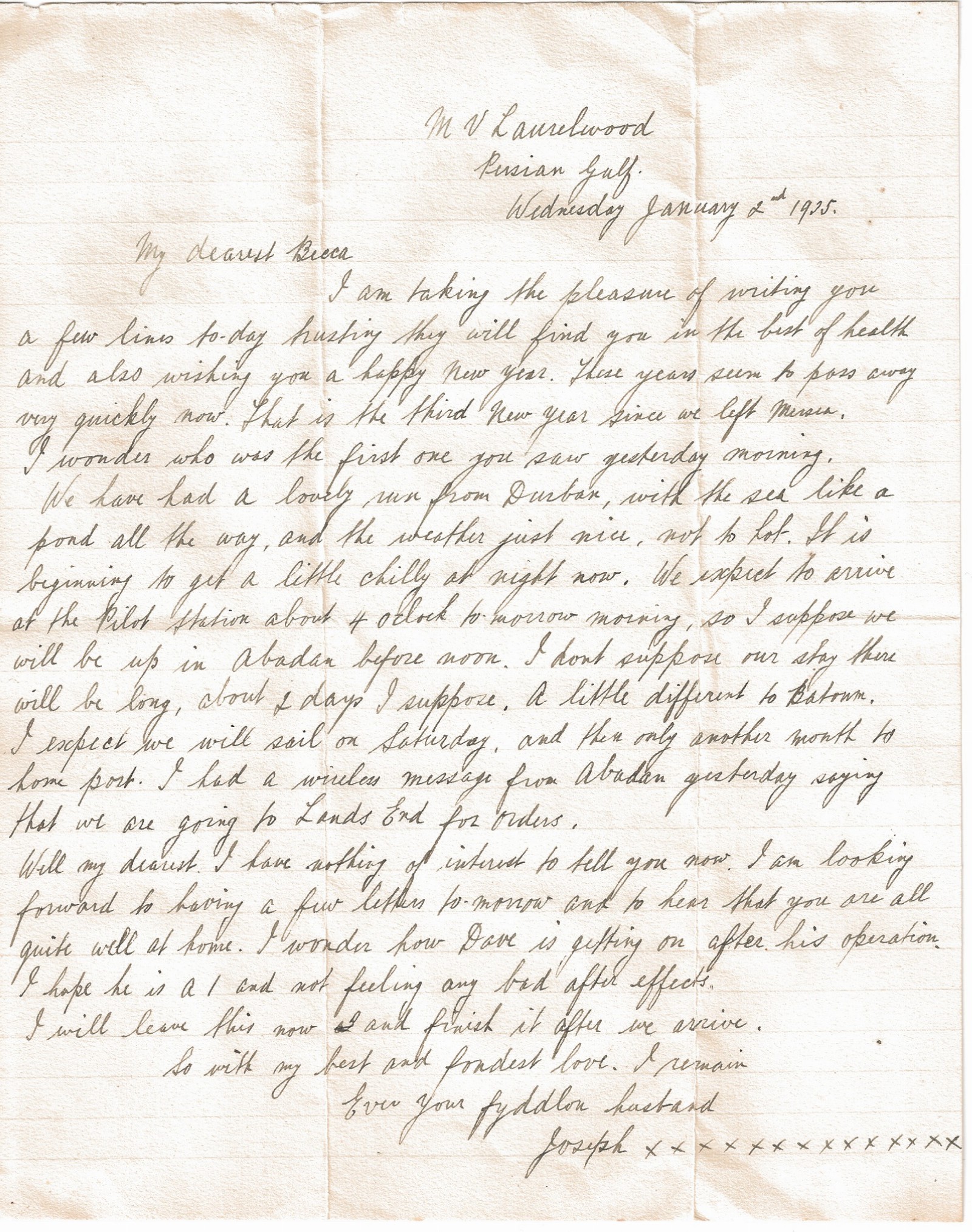
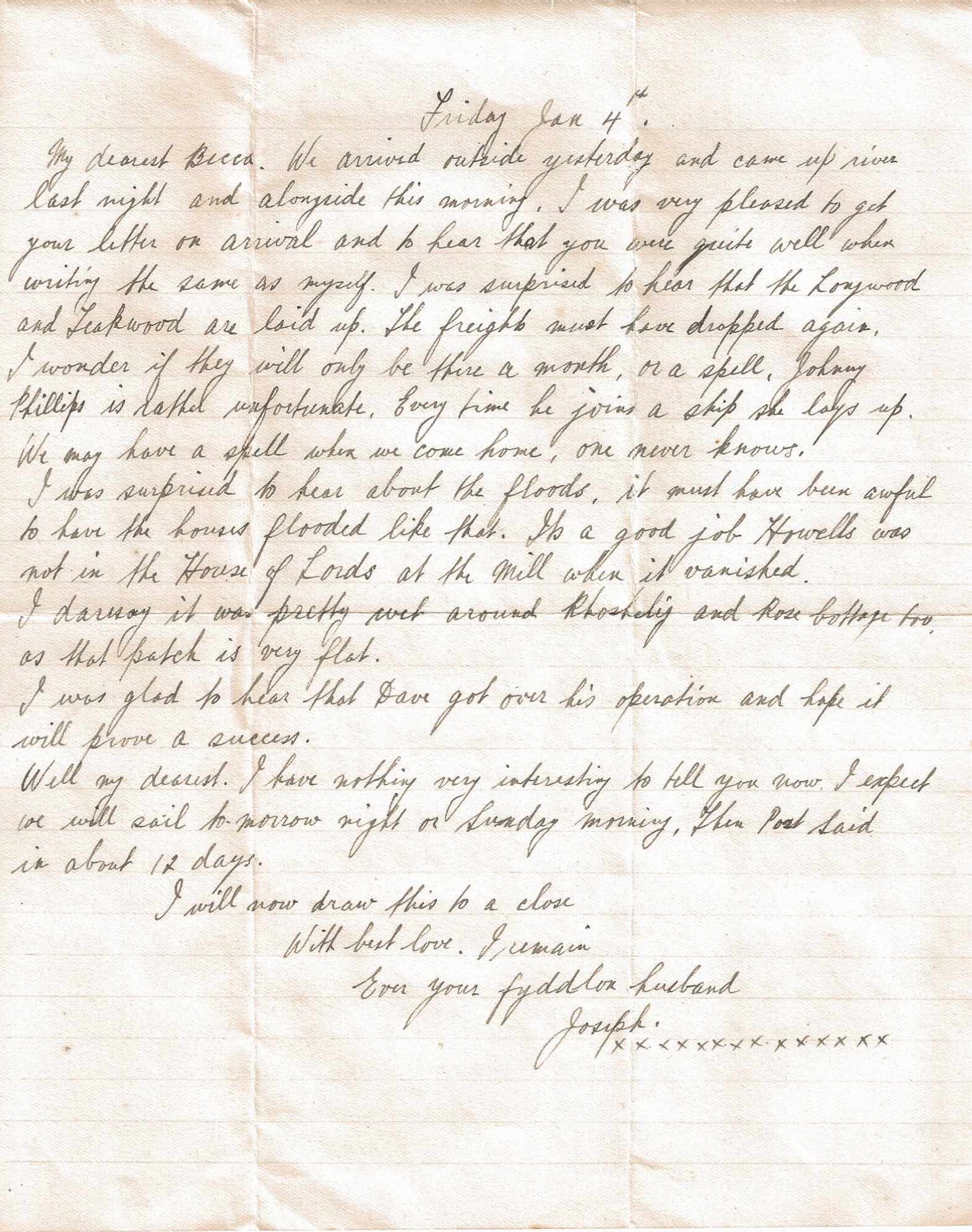
Laurelwood- built 1929Captain Joseph Francis of Eryl, Dinas Cross, decided to retire at the age of 53. He had just completed two stints as Master of the Laurelwood, one of the largest tankers in the fleet of John I. Jacobs and Co. of London. Jacobs’ tankers were mainly trading to the Gulf of Mexico or Cape Town – long trips that kept the sailors away from home for years at the time. As you can see from this letter to his dearest Becca, he seemed to find nothing at sea to interest him. All his thoughts are directed home to Dinas.

Joe Francis letter 2


Joe Francis letter 3-2

Joe Francis letter 2-4

My Aunty Becca’s account of unusual flooding in Dinas must have suggested the scenario of Howells on the privy as it floated away from Hescwm Mill, while the prospect of flooding at Rose Cottage, his own family home, may have worried him.

At the time of writing this letter there were still three more years of drudgery before he left the employment of John I. Jacobs and Co in 1938, having worked for them from 1931-1936 and then again on the same tanker from 1936-1938.

Sadly for Uncle Joe and Aunty Becca, he died soon after, in April 1940. He is buried in Macpela. His wife, Rebecca Francis, who lived for another 25 years and offered our family wonderful Dinas holidays during that time, died in 1965.

Cadben Joseph Thomas Francis, Eryl, bu fawr Ebrill 11, 1940 yn 55 ai briod Rebecca Francis farwodd Awst 21, 1965 yn 80 

Posted in History, Sea, Transport | Tagged , , , , , | Leave a comment

Marie Elsie’s list of do’s and don’ts

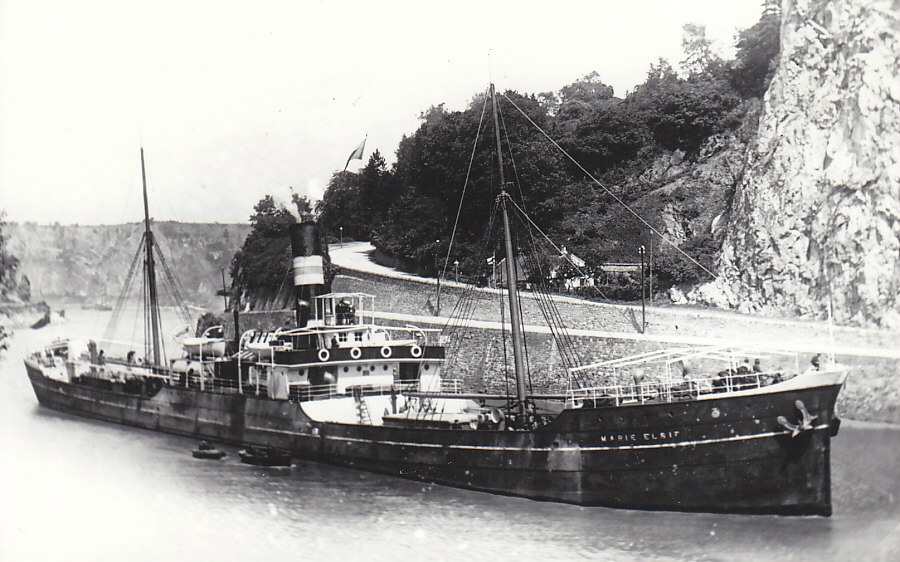
SS Marie Elsie

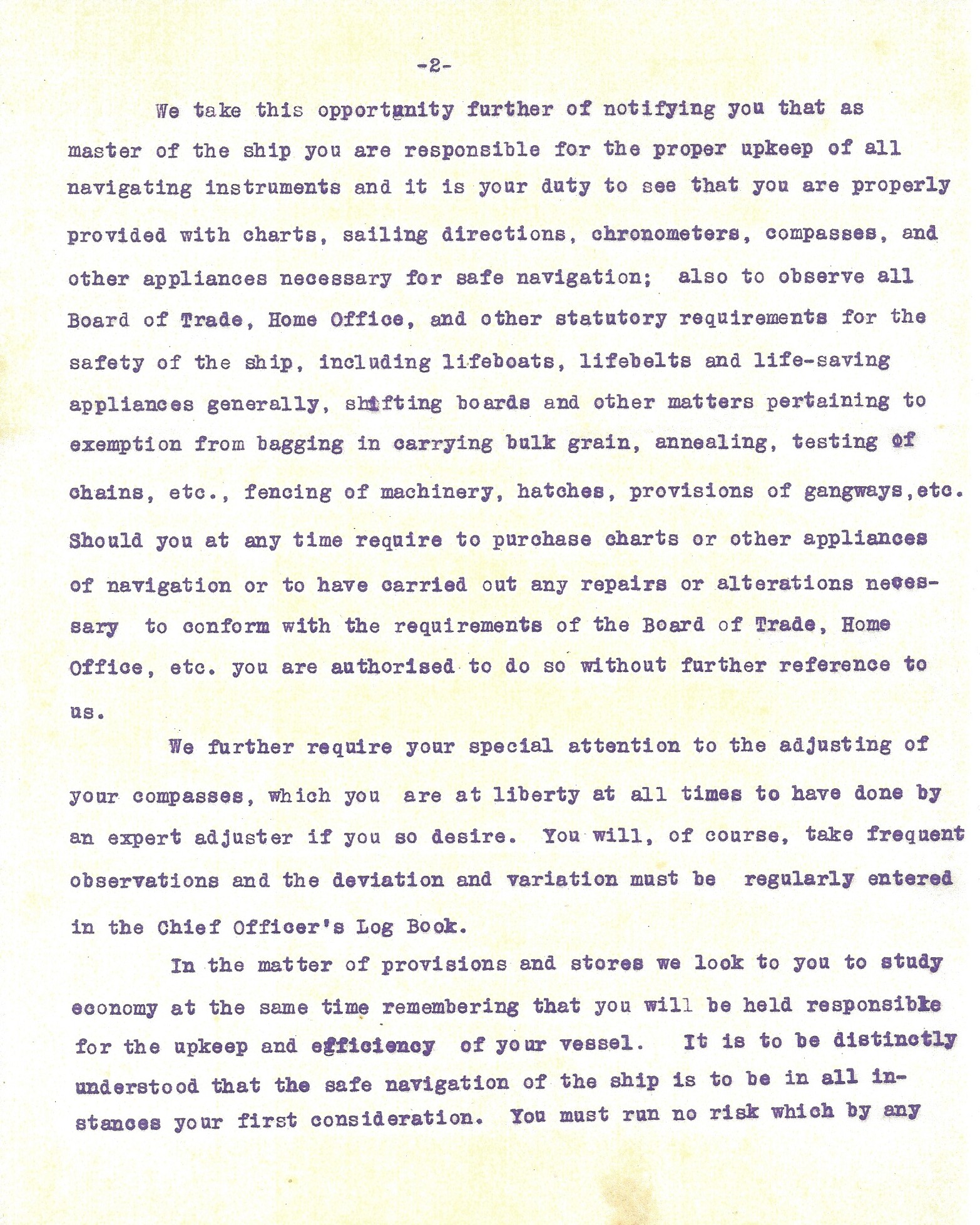
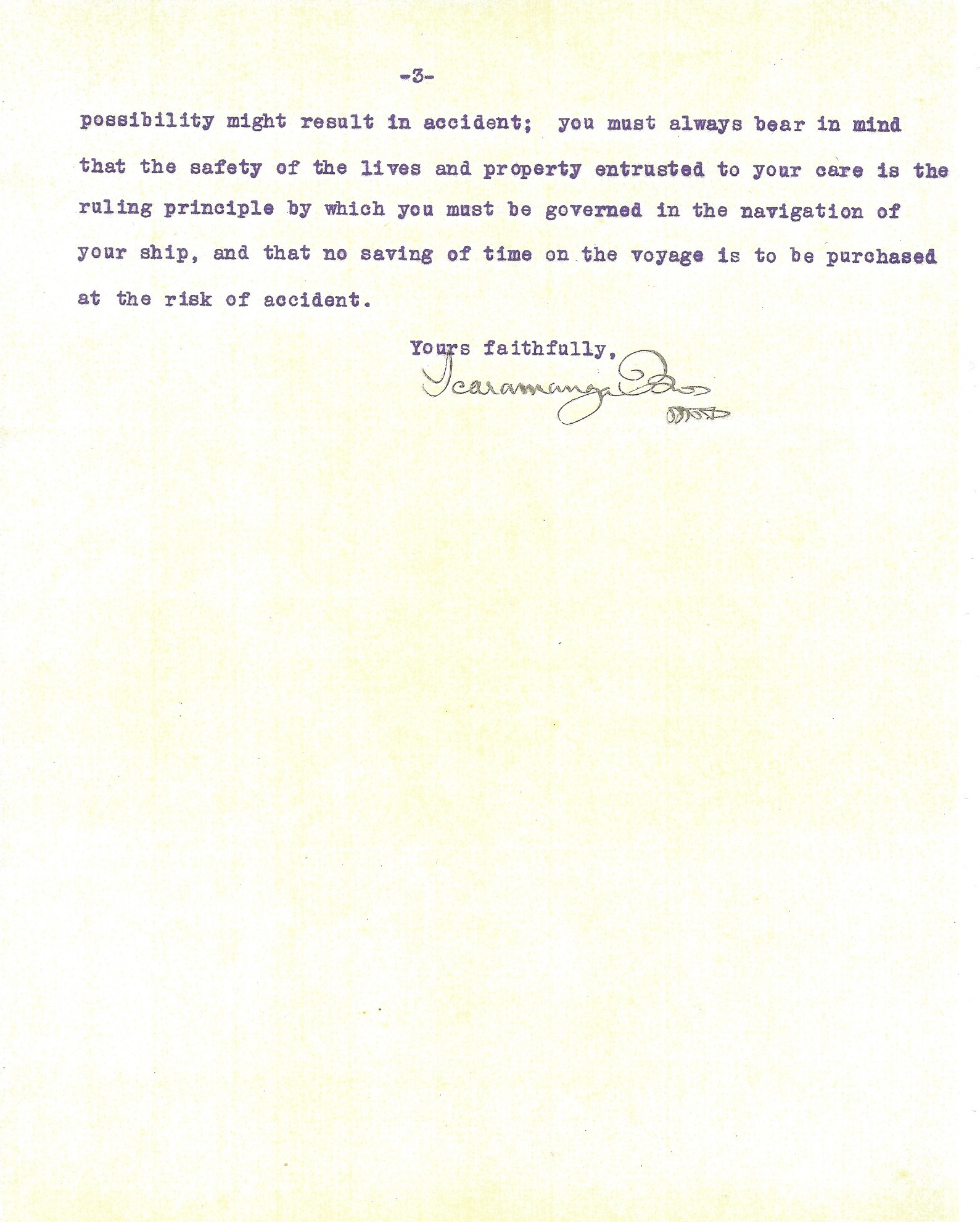
Capt. Joseph Francis of Eryl Dinas Cross PembsWhen* the Scaramanga brothers entrusted a few thousand pounds worth of ship and cargo and a good percentage of their fortune to Captain Joseph Francis of Eryl, Dinas, you’d expect them to mention a few do’s and don’ts. The letter confirming his appointment is typed in purple on ivory paper and the contents, while acknowledging pressures of time, seem very reasonable.

Scaramanga to Capt Francis 1

Scaramanga to Capt Francis 2

Scaramanga to Capt Francis 3

I don’t suppose that his employers ever knew how much he hated being at sea and that he was just working to accumulate enough money to leave his job and retire early to live full-time in Dinas again.


*This was at the end of a year when German U boats had been sinking an average of 2 ships a day in the ‘commerce war’ but there is no mention of the war in this letter.


Posted in History, Sea, Transport | Tagged , , , , , | Leave a comment

Ann Gent and Graham Coles invite you to rummage

The Carningli Centre (Newport)

From the outside you can’t tell that the Carningli Centre is an art gallery and a second-hand book shop as well as a destination for lovers of old railway signage, collectors and connoisseurs of oil lamps and indeed anyone who loves to rummage amongst old things in search of a ‘find’. You’ve a chance of coming across anything from large pieces of old country furniture to cards designed by local artists.


Posted in Art, books, History, Transport | Tagged , , , , , , | 2 Comments

Dinas County Primary School 1946

Dinas Primary School Pauline's class 2

Back Row:- From the left in each case
D.T.Lewis ( Master), Roy Davies, Derek Thomas, Meurig Harries, Norman Morris, Rhydian Harries, Denzil Rees, Selwyn Harries, Alfie Clark (evacuee staying at Cwm yr Eglwys), Noel Murrow, Roy Jones, Gareth Francis (son of) Jack Francis (Headmaster who was married to the sister of Waldo Williams: teacher at Dinas School about 20 years earlier)
Middle Row
Roy Harries, Colwyn Wilson, Frankie Hitchens (evacuee), Violet Williams and Rosemary Williams (sisters?), Rita Owen, Ivy Harries, Dot Harries, Annette Thomas, ?Phillips, Bleddyn Davies.
Front Row
Elspeth Rees ( sister of Denzil. Their mum was the school cook), Dianne Beaumont (granddaughter of school-master DTLewis), ? Clark (sister of Alfie Clark), Hazel Mabe, Joy Harries ( sister to Rhydian and Dot), Elfair Harries, Pauline Mathias.

Some of these children look older than you might expect for a primary school photo* but in 1946 only those who passed the 11+ could move on to Fishguard Grammar. The others stayed in Dinas until they could leave school at the age of 14. This photo appears to cover only the top classes in the school; the youngest girls, sitting on the bench at the front, must have been about ten.

The three evacuees in this photo had been part of a much larger group, most of whom had returned home in the summer of 1945. In June 1939 a group of 42 children and three teachers had arrived, as evacuees, at Dinas school where they were taught in the hall until it was decided to relocate the schooling for the older new arrivals to the church hall in Bryn Henllan. In addition, the school accepted many ‘unofficial’ evacuees and the swelling numbers and comings and goings must have made life difficult for the Head teacher who had been newly appointed in June 1939.

In September 1954, the opening of the new school in Fishguard meant that all Dinas’ children could move onto a secondary school at age 11, and Dinas County Primary school became a proper primary school at last.

For more information on Dinas School see ‘The History of Education in Dinas’. This is a fascinating publication that can be obtained (in English or Welsh) from Ann and John Hughes. Phone 01348 811255 for information.

*Apologies for the distortion. The children at either end of the middle row seem to be leaning at such an unlikely angle that they could have been taking instruction from the old conger-eel, who taught ‘Drawling, Stretching and Fainting in Coils’ to the Mock Turtle in ‘Alice in Wonderland’.


Posted in History | Tagged , , , , | 1 Comment

Winter seas at Cwm-yr-Eglwys

OLYMPUS DIGITAL CAMERA


OLYMPUS DIGITAL CAMERA


OLYMPUS DIGITAL CAMERA

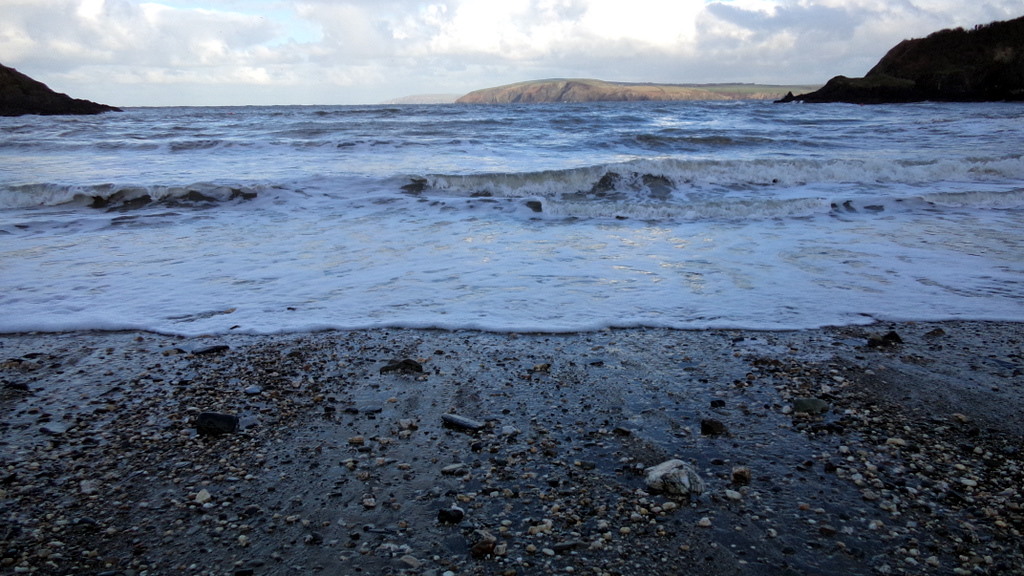
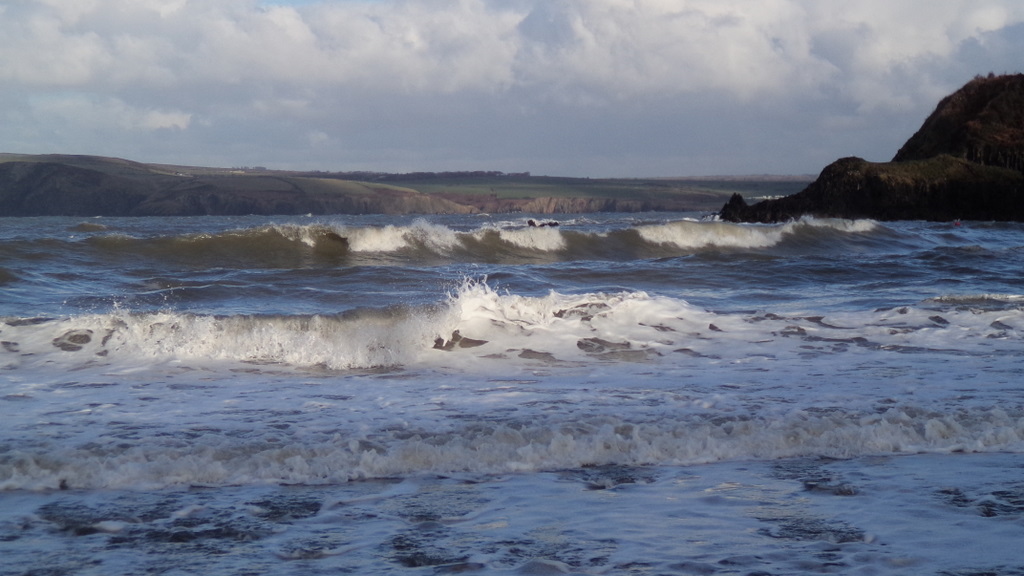
This was Cwm-yr-Eglwys last weekend, when the Stena Ferry from Ireland failed to berth at Fishguard to unload its vehicles and had to wait for hours in Cardigan bay for calmer seas.

Many thanks to Ann Hughes for these lovely photos.

Posted in Nature, Sea | Tagged , , , , , | Leave a comment

There’s nuffin like a puffin

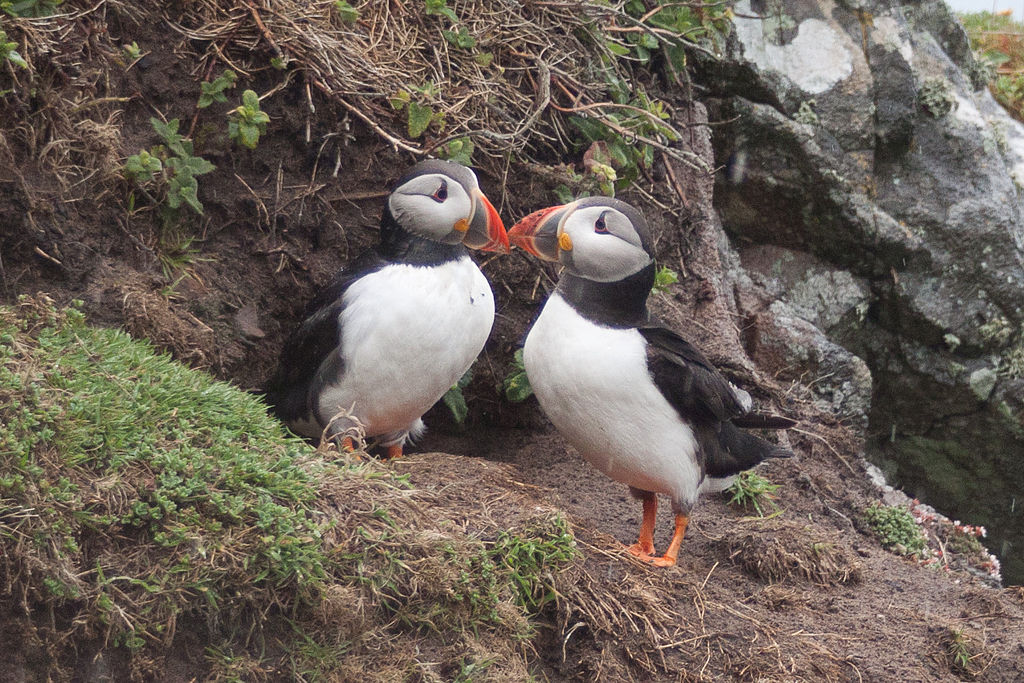
A pair of puffins outside their burrow on Skomer Island, Pembrokeshire

A pair of puffins outside their burrow on Skomer Island, Pembrokeshire. (Photo credit Joanne Goldby)

2014 was a dreadful year for Puffins in Pembrokeshire. Research by Dr Matt Wood at the University of Gloucestershire* is revealing the harsh consequences of last winter’s’s storms for thousands of puffins on Skomer Island.

Around 50,000 dead seabirds, including puffins, guillemots and razorbills, were washed ashore in a severely emaciated state,  starved as storm after storm prevented them from catching enough fish to eat. With unknown numbers dying out at sea, this was the biggest seabird wreck recorded in Europe. By the end of 2014’s breeding season, the numbers of adult puffins was down by 25% on the previous year: a quarter of the puffins on Skomer and Skokholm islands may have died, around 5,000 birds.

Field assistant Ros Green found that Skomer puffins bred unusually late, their chicks hatching two weeks later than usual and being fed at only a third of the rate in 2013. As a result, breeding success dropped markedly by 25%, with only just over half of puffin pairs raising a chick.

The puffin colony needs to recuperate in 2015. Here’s hoping for fewer catastrophic weather events in the year to come.

*Reported by The Wildlife Trust of South and West Wales.

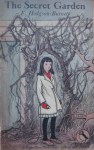
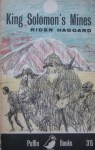
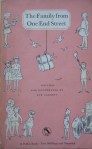
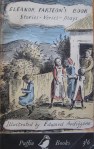
Finally, on a related topic, here are some of my favourite Puffins. Do you remember yours?

Posted in books, Nature, Wildlife | Tagged , , , , , , | 2 Comments

Free university education for Welsh immigrants and their children

In the late 1930s about 9,000 young people, in total, graduated from UK universities per year: an experience that was out of the question for my father and his sisters – with my grandfather a fireman and recent economic migrant. But when his children left their grammar schools, aiming for professional qualifications with their Higher School Certificates achieved and a ‘nose to the grindstone’ work ethic, they had the Welsh chapel behind them, offering a wealth of educational experiences.

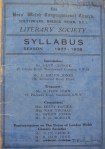
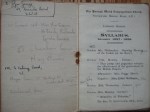
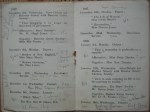
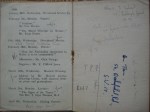
E Glyn George, listed on the front of this Literary Society Syllabus as both Secretary and Boro’ Representative on the Union of London Welsh Literary Societies, was just 20 in the 1937-1938 season and had held office the previous year too. The Boro’ offered weekly debates (my father seems keen on these), lectures, papers and concerts that were programmed to follow the academic year.  I would love to have listened to the debates on the value of the monarchy and ‘The nationalist movement in Wales’; it would also be fascinating to know what Mr Dan Lewis told the group about ‘Modern Germany’ on Monday 8th November 1937. ‘Devotional Services’ regularly appear on the programmes but I suspect that these too were heavier on history, politics, philosophy and polemic than your average church service.

As well as the literary society there were play readings and an early version of package holidays, arranged by a chapel member who led groups to the continent in the summer holidays. There was aspiration to high standards, bi-lingual competence, competition, political engagement, new experiences and fun on offer – aspects of undergraduate life that are advertised in many university brochures today.

Posted in History, Religion, Welsh language | Tagged , , , , , , , , , , , , , , , | 1 Comment

You’re looking at the remains of Russia

Russia’s monolithic gateposts might lead you to expect a substantial dwelling, outclassing the cottages on the Dinas mountain. But no. The gatepost on the left was positioned (and broken?) by a JCB about 35 years ago when the farmer removed it from a dip in the field to provide a permanent anchorage for the gate. The building behind the gate had already crumbled away years before. All that you can see now are the ruined foundations of the small cottage along with its attached garden. As usual all the best building materials will have been recycled elsewhere. Russia has gone.

This pattern of building, ruin and rebuilding (with or without monoliths) is not uncommon on the Preseli Hills, but the unusual name of this small-holding had always intrigued me. Why Russia? Len Urwin, a historian who lives just down the road, had the following fascinating response to my question:

The original name Rusha in the 1841 census is hard to explain. I don’t think it has any Welsh meaning, unless it was someone’s name. I vaguely recall that Pembrokeshire stonemasons were invited to Russia some time in the 19th century. The naming precedes the Crimean War of the 1850s which involved men from Haverfordwest, Slebech and elsewhere in the County. My final thought however, is that the name may have originated during the Napoleonic period, following the retreat from Moscow in the winter of 1812, which signalled the demise of the Emperor. Why, following the celebrations of Waterloo, wouldn’t returning foot-soldiers or others name a farm after their great ally Rusha?

So who lived in Russia? According to Len’s research the land appears to have supported small families who moved on rather than staying put from one generation to the next. Census records for the smallholding called “Rusha” from 1841-1861 and “Russia” from 1871 onwards, in the Parish of Llanychlwydog, Pembrokeshire, show that –

At the time of the 1841 and 1851 census, the house was occupied by the Roach* family: parents, two daughters and for the early years (I’m assuming) a grandmother. Ten years later, in 1861, the house had passed to the Evans family and it was they (or possibly their census enumerator) who changed the name from ‘Rusha’ to ‘Russia’ in 1871. The parents and four children were gone by 1881 and the Harries family had moved in: Benjamin aged 23, Margaret, 33 and Mary aged 77. By 1891 the Harries family had been replaced by the Ladds but they (with three of their own children and a baby nephew) were gone, in their turn, by 1901. The last occupant, recorded in the census of 1901, is Martha Harries, a single farmer aged 40 from Dinas, and her 5 year old son, David. The 1911 census has no mention of Russia. Presumably the house was uninhabited.

I’m left trying to envisage what life must have been like for Martha and her young son. Could one person make a living from Russia’s fields? How did she manage alone on the mountain with a baby?  Life must have been hard.

 *Given the other much more interesting possibilities I’m hoping that the Roach/Rusha similarity is 100% coincidence.
Posted in Farming, History | Tagged , , , , , , , , | 2 Comments

John Cleal’s Herrings


IMG_4752

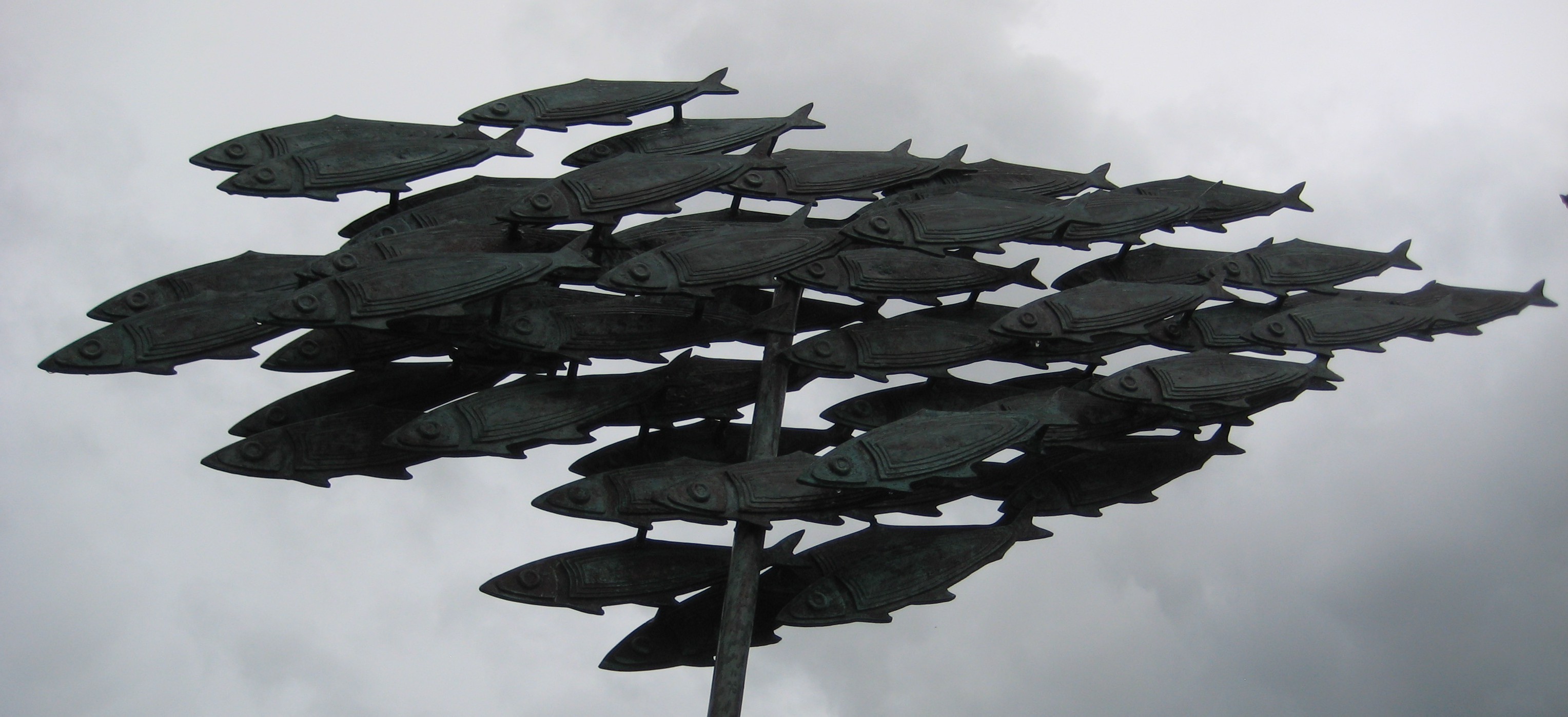
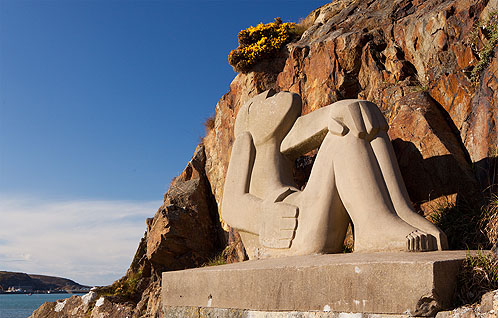
This shoal of herrings darts through the air on the quay at Lower Town Fishguard. It’s an arresting image, reminding the passer-by of the historic importance of the herring catch to the economy of the town.

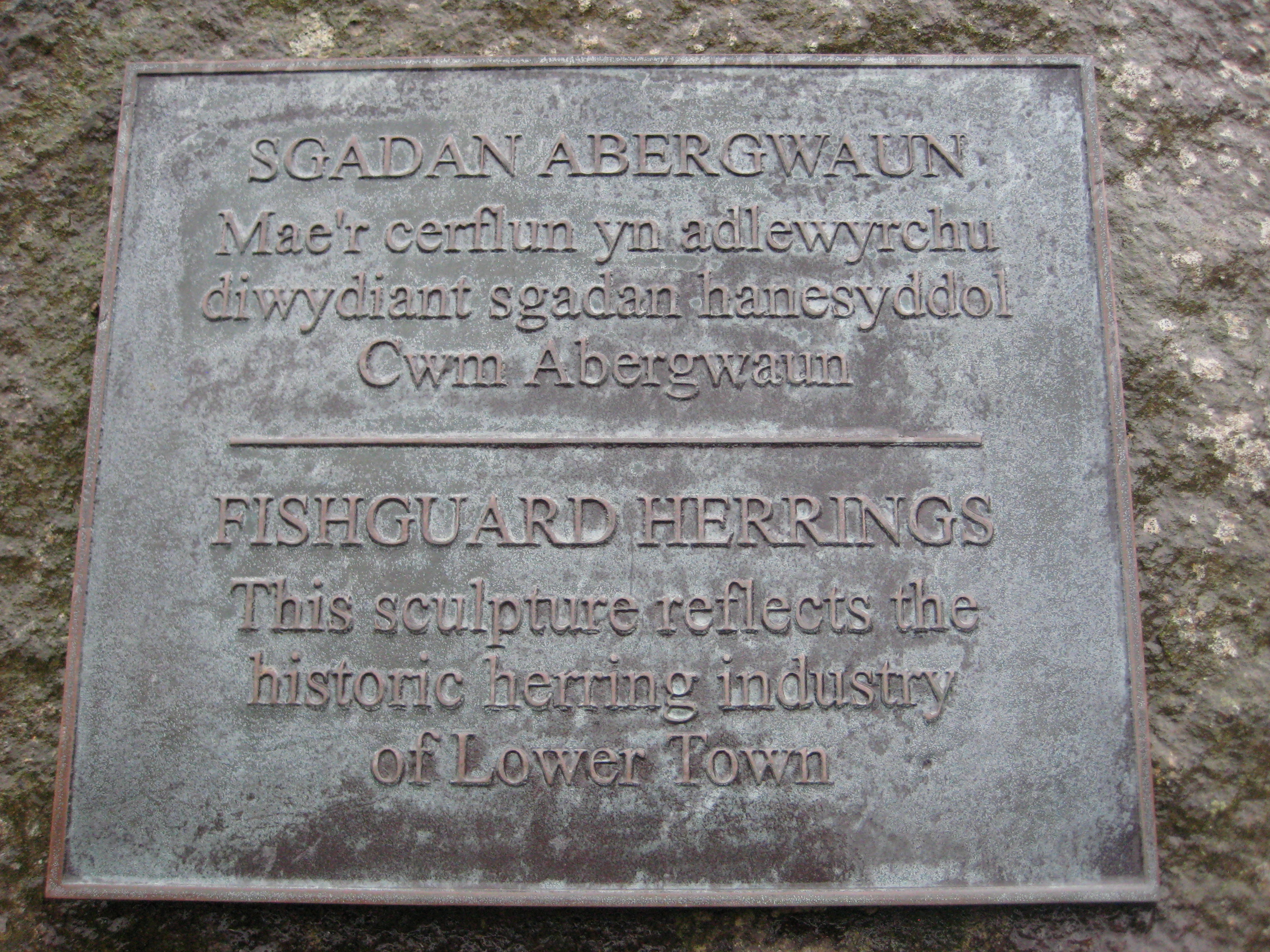
IMG_4753The artist doesn’t get a mention on the plaque but this is the work of John Cleal, a South African émigré who made his home in Lower Town in the early 1960s and whose house on Glyn-Y-Mel was one of the first art centres in our part of North Pembrokeshire. He provided free studio and display space for up to 15 crafts people at any time and his fine gallery offered the rest of us artistic excitement in this quiet cul-de-sac along the Gwaun river.

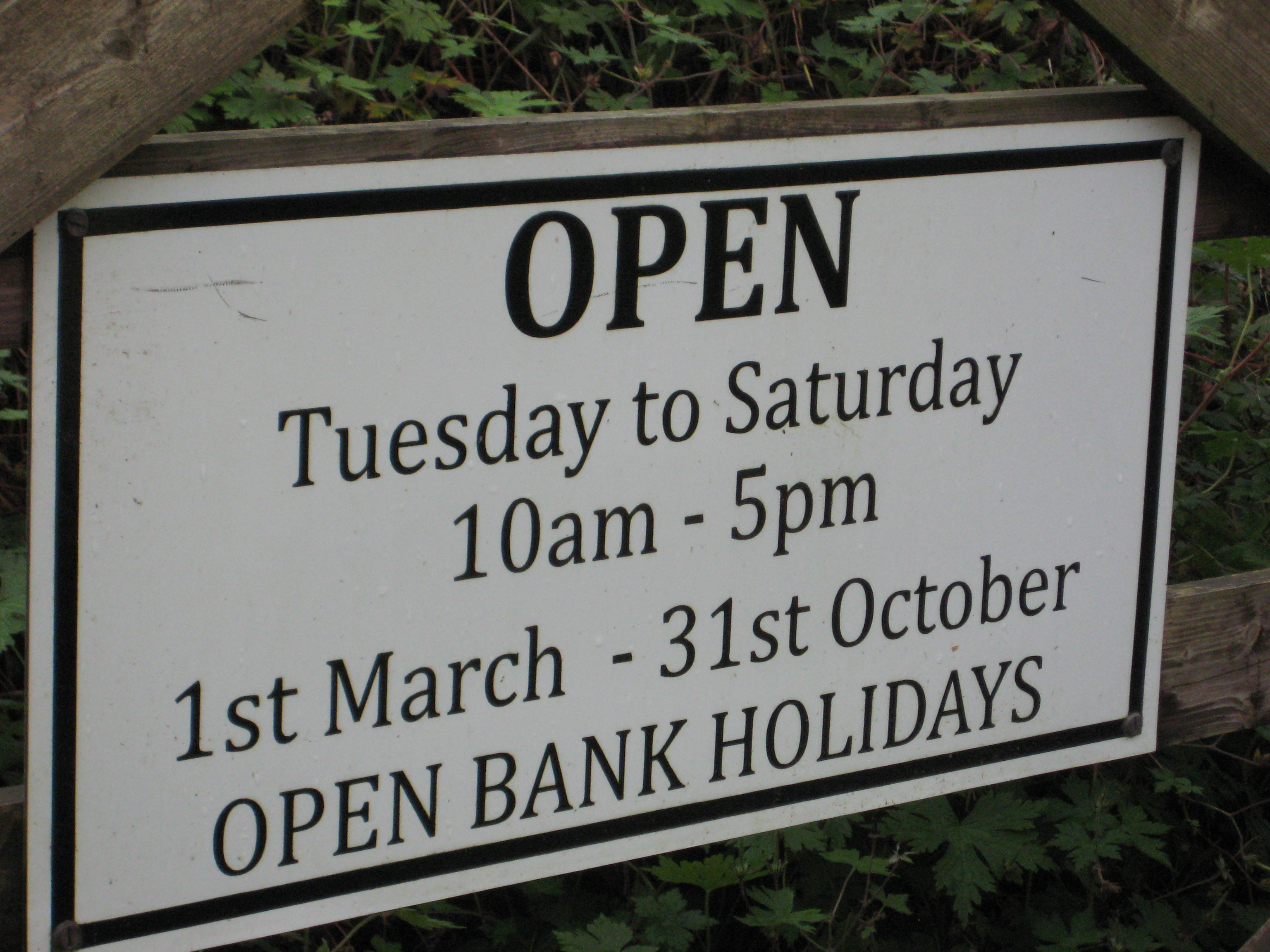
IMG_4847In 1996 Workshop Wales moved to Manorowen where it is still run by John Cleal’s son, Mitchell. The Gallery exhibits during the summer months and although it is hidden away in the backroads, there are plenty of signs to direct you from the Goodwick – St David’s road.

Bear in mind  that you are in Pembrokeshire where corrugated iron has ‘heritage appeal’ and this shed that, in England, might remind you of trading estate architecture settles into its beautiful setting where the blues and greys reflect the sea and the sky and complement the carefully planted garden.

John Cleal died in 2007. During his life time he had generously donated artworks to local hospitals and public spaces. Since his death his family has carried out his wish to have his sculpture ‘Sun Lover’ sited at Lower Town, Fishguard, in recognition of his great affection for the area where he lived for more than 40 years.


Posted in Art, Crafts, History, Sea | Tagged , , , , , , , | Leave a comment

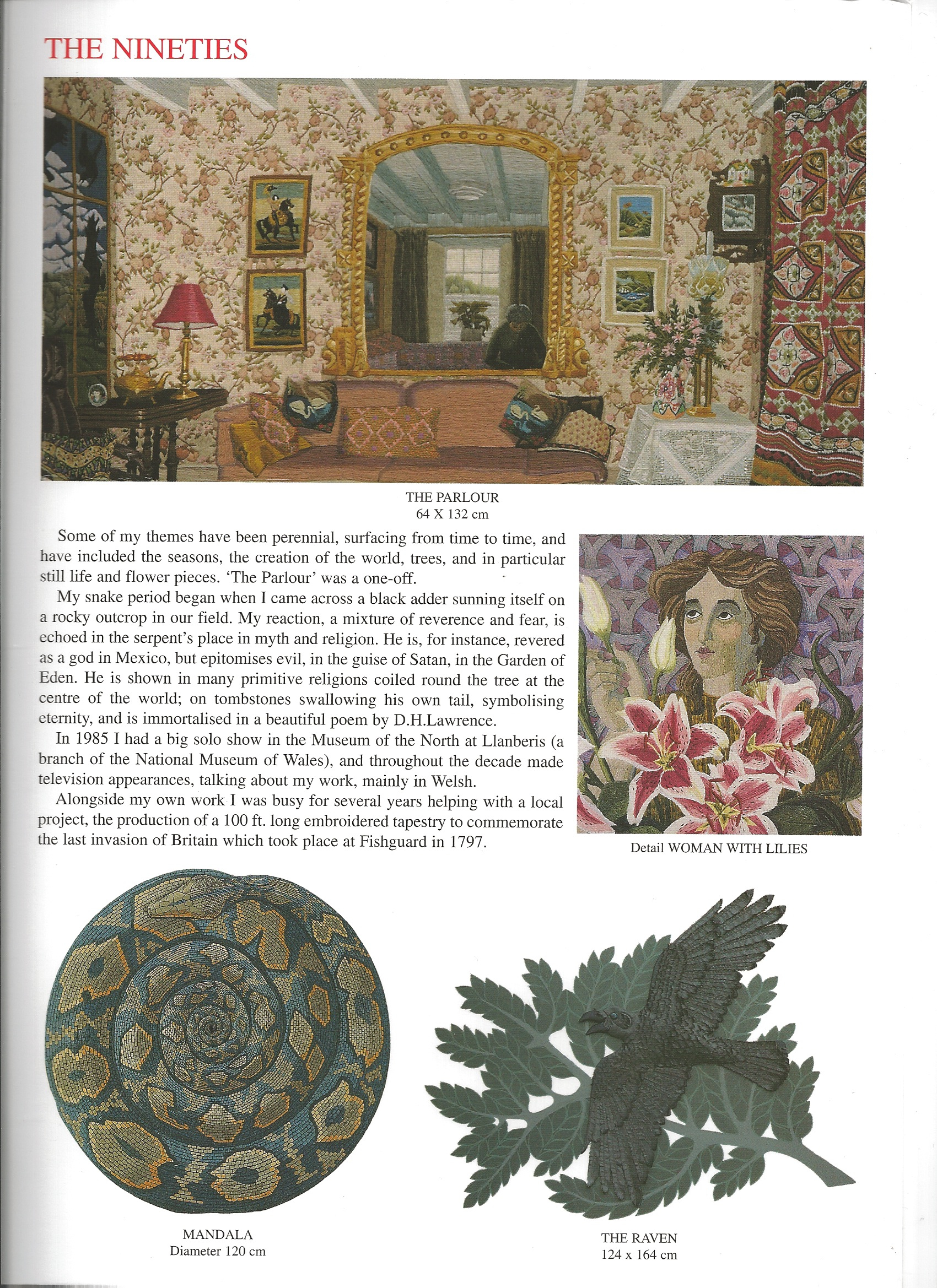
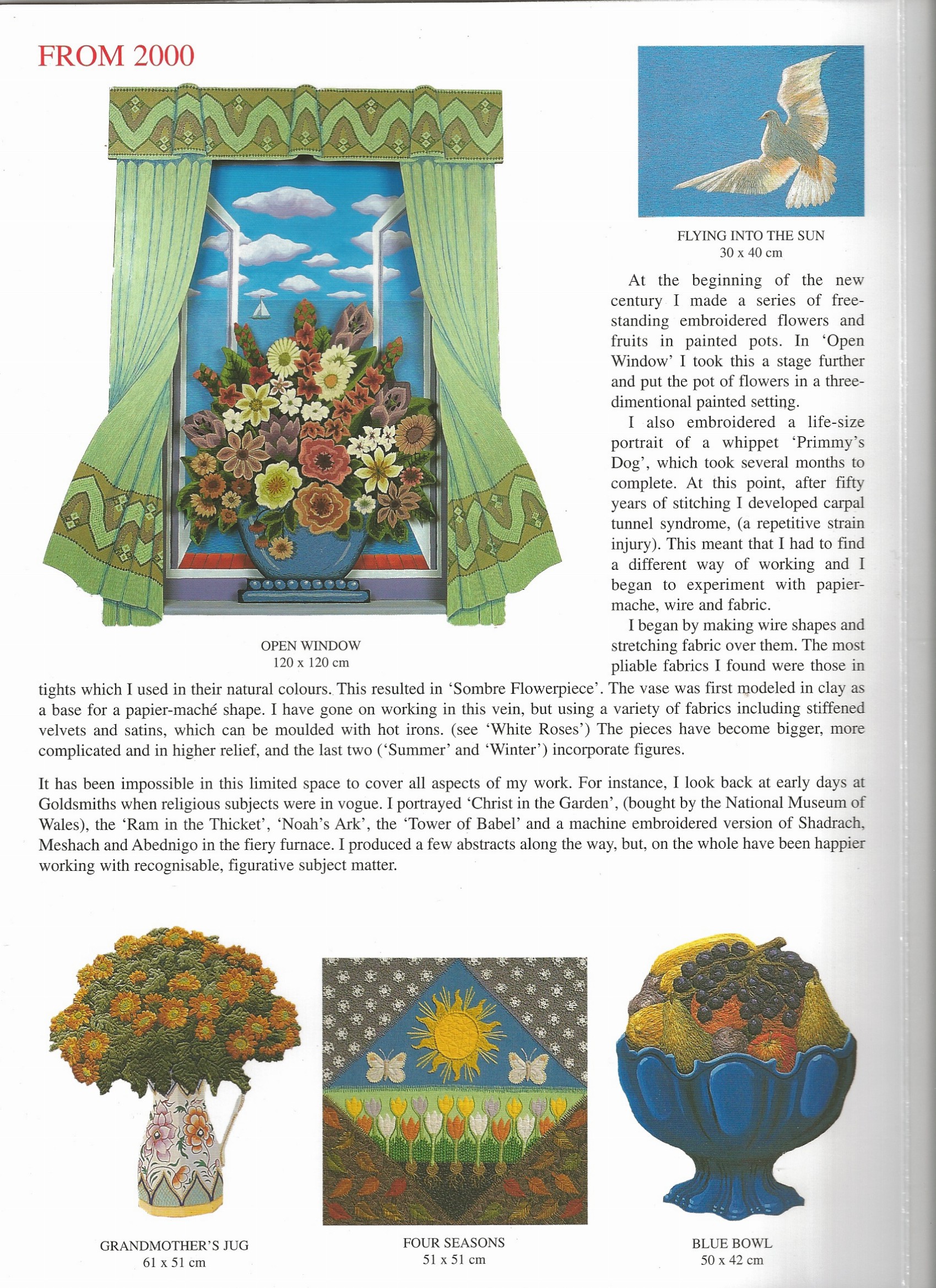
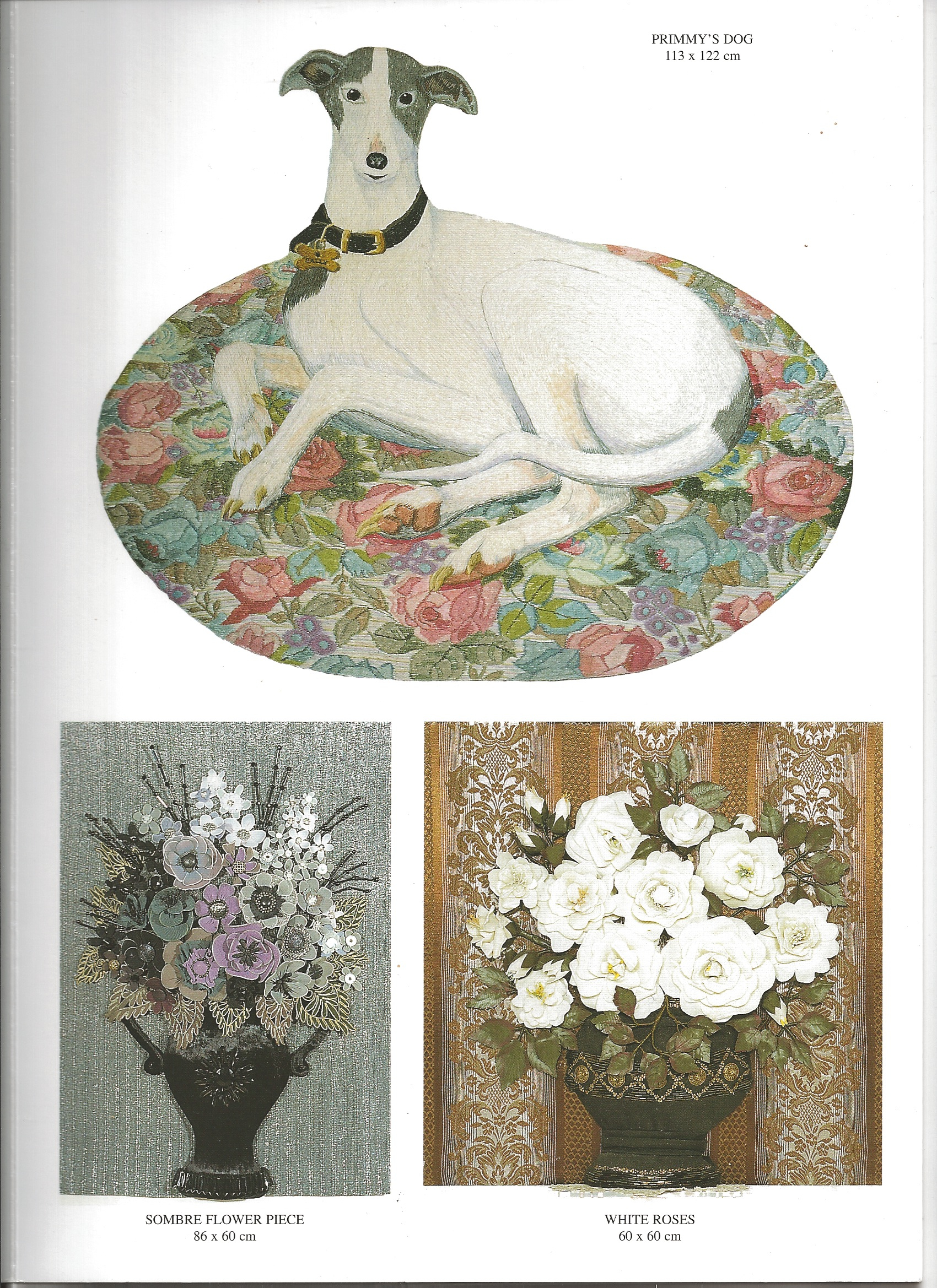
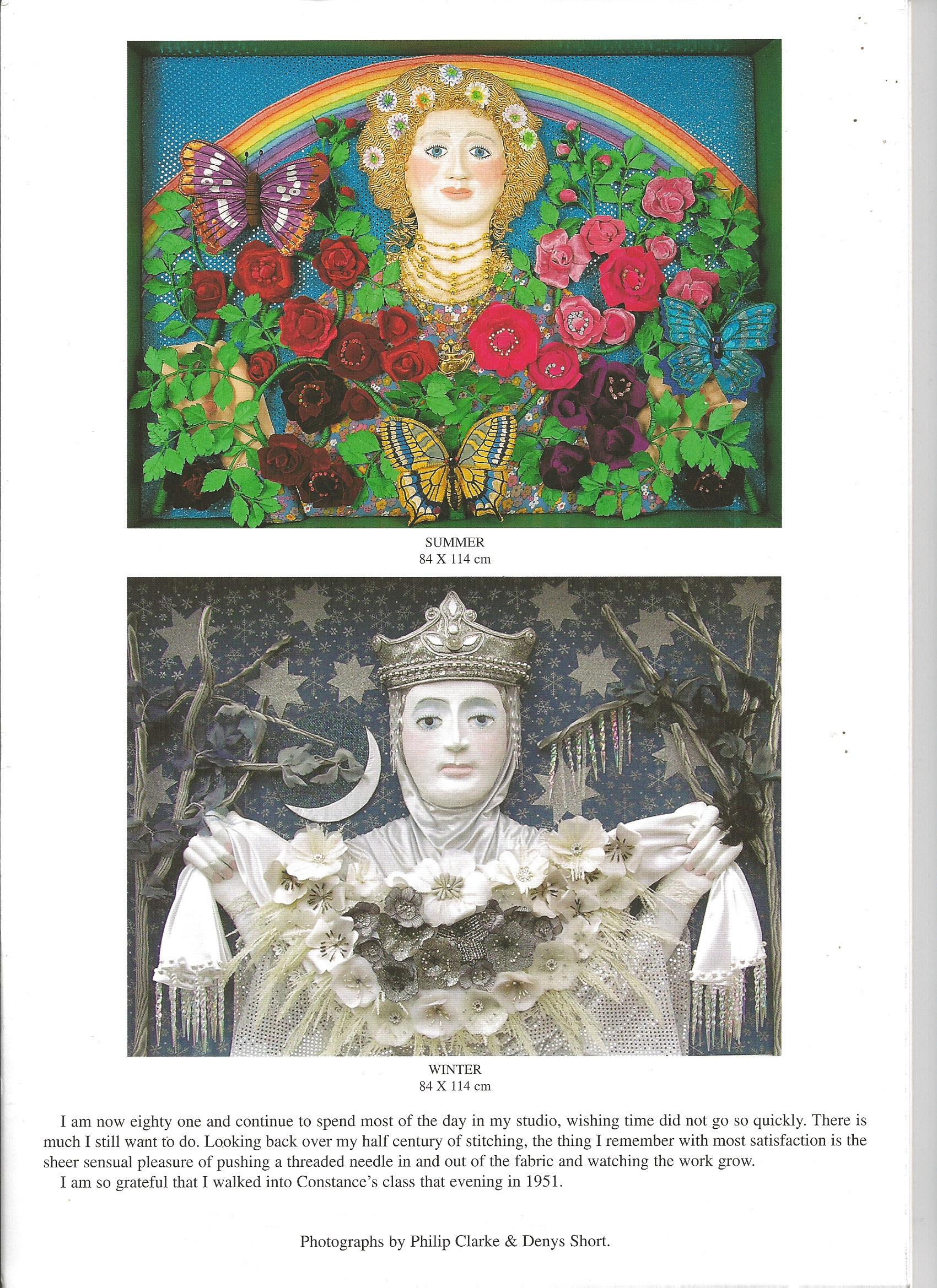
Eirian Short – celebrated embroiderer from Dinas

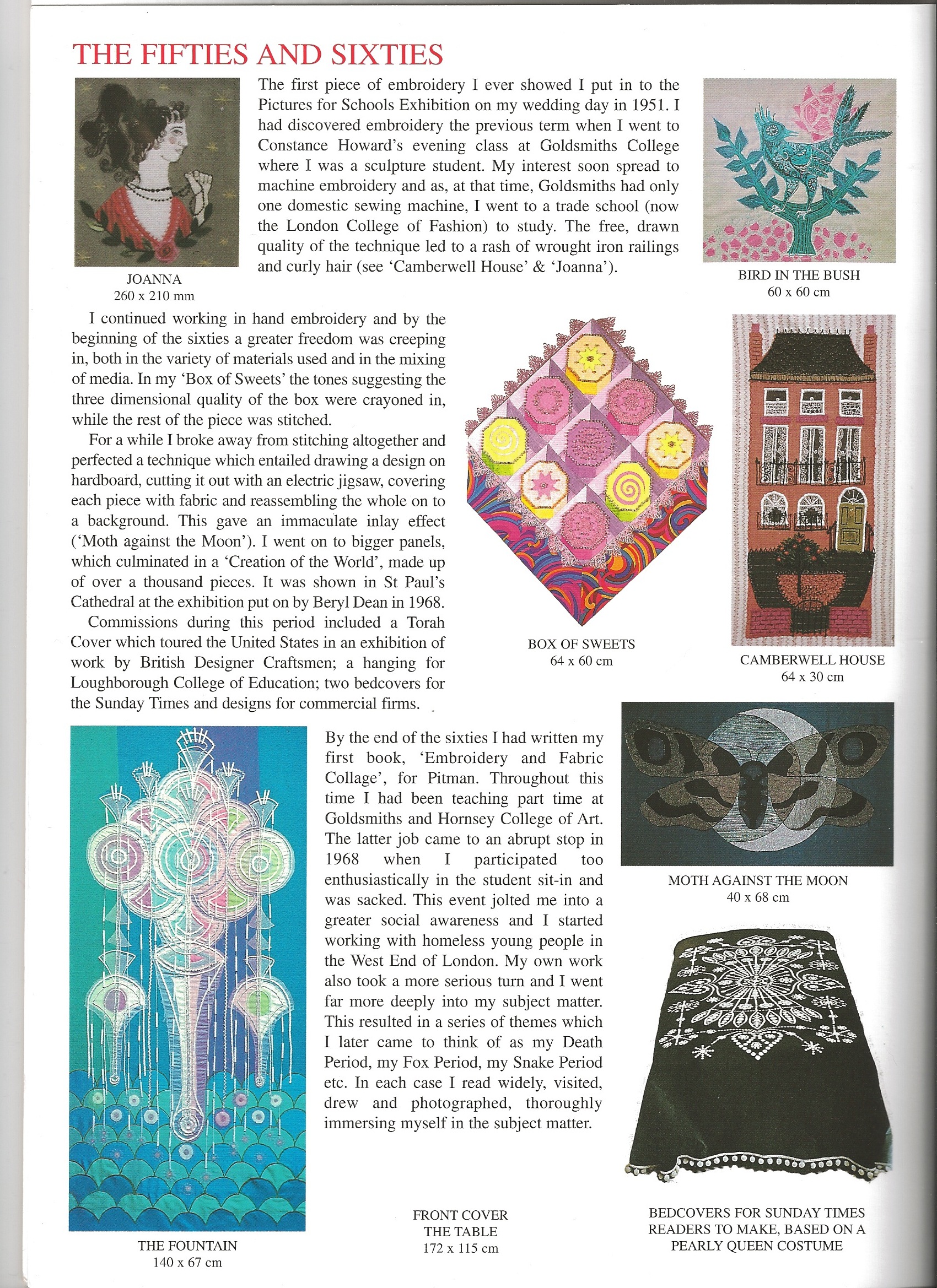
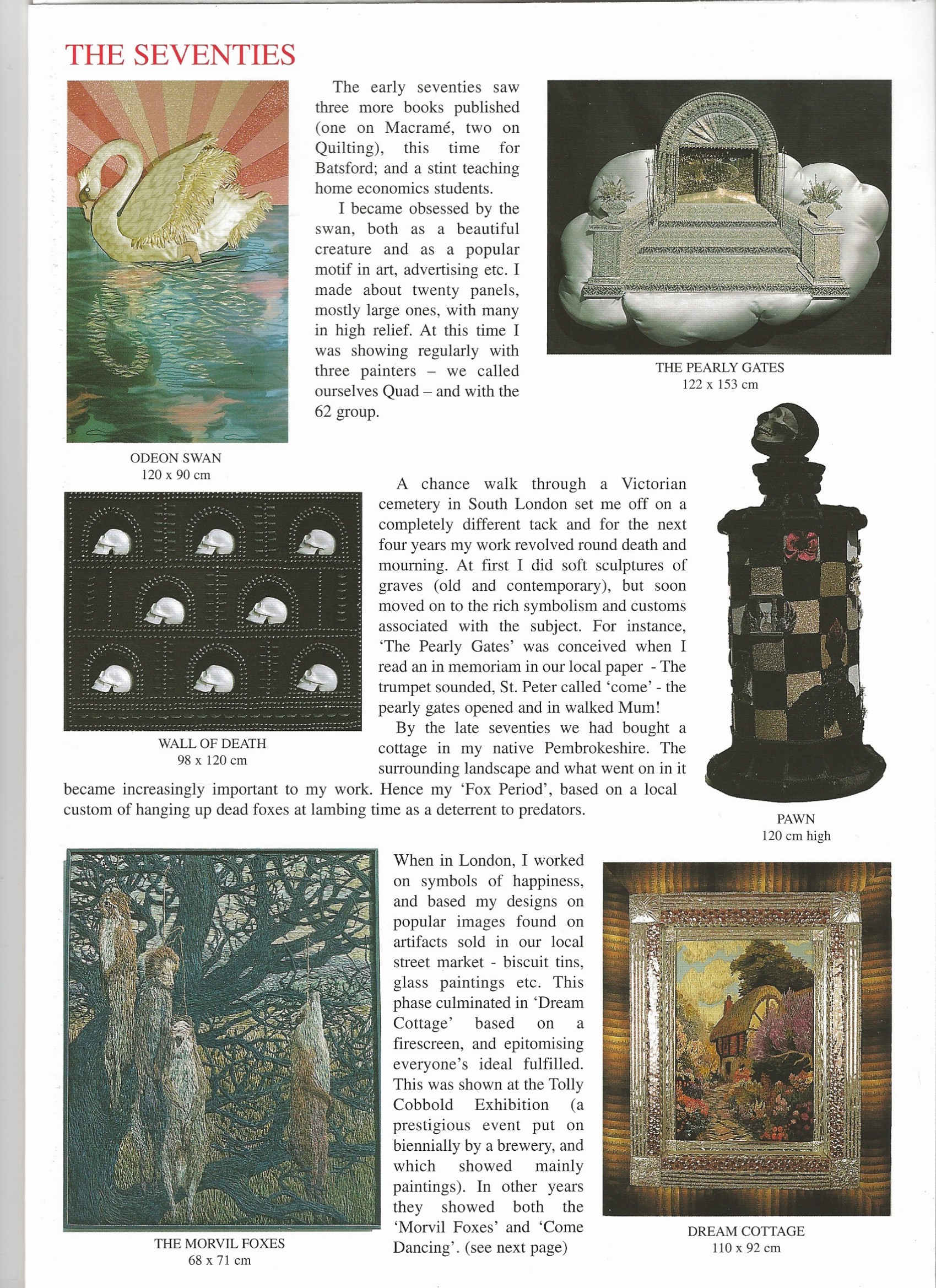
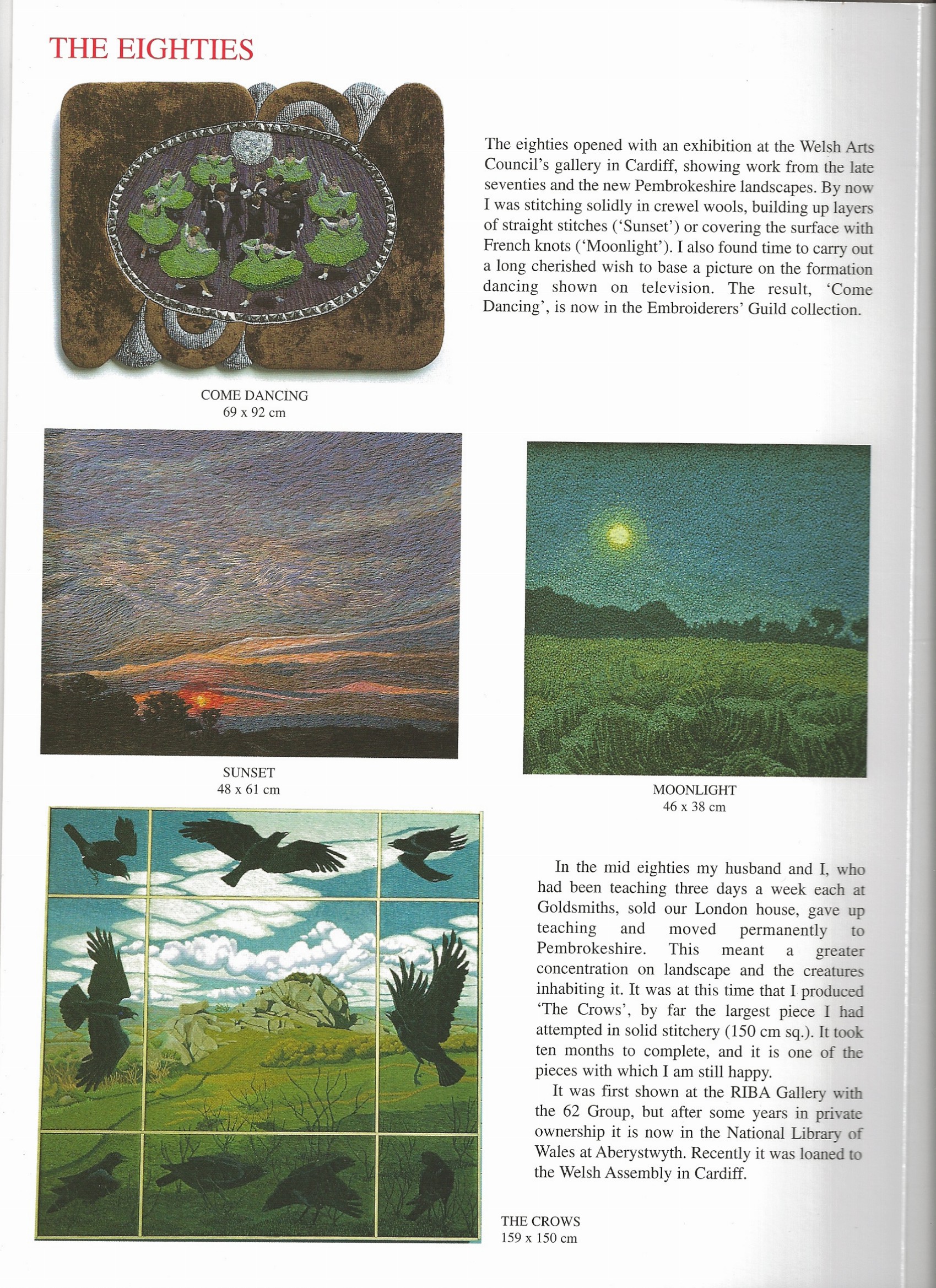
I’ve noticed that many people end up at my blog when they are googling  Eirian Short, the celebrated embroiderer from Dinas. I know that there is very little on the internet about her work and I hope that this post will do something to remedy that.

These pages were written by her, a few years ago, and printed as a big, beautifully produced, fold-out brochure. My copy came from Len Rees’s gallery in Bryn Henllan. I don’t know if there are any left – but you might find some of her work on display there.

Eirian Short 'A Recollection'

Eirian Short 'A Recollection'-1

Eirian Short 'A Recollection'-2

Eirian Short 'A Recollection'-3

Eirian Short 'A Recollection'-5

Eirian Short 'A Recollection'-7

Eirian Short 'A Recollection'-8

Eirian Short 'A Recollection'10-9

See also http://www.fishguardartssociety.org.uk/ThePembrokeshireBanner.html

Posted in Art, books, Crafts | Tagged , , , , , , , , , , | Leave a comment

How Dinas out-shone London

Photo copyright Kim Traynor

Photo copyright Kim Traynor

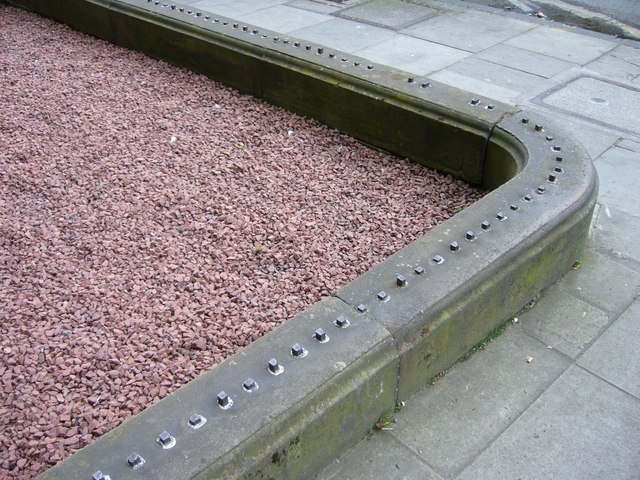
These were the railings of my childhood. Growing up in postwar London, all we had were stumps where iron railings had been removed to aid the war effort.

Thousands of tons of decorative iron work, as well as aluminium and copper pots and pans, had been taken to be recycled. It seems, however, that much of the iron could not be re-used. Its benefit was mainly psychological as blitzed civilians were persuaded that they were contributing to Britain’s ability to make guns and tanks and defeat the Germans. Instead the iron was dumped, either at sea or possibly (according to a letter from journalist Christopher Long to the Evening Standard in 1984) loaded onto barges and dropped into the Thames Estuary.

Long wrote “I believe that many hundreds of tons of scrap iron and ornamental railings were sent to the bottom in the Thames Estuary because Britain was unable to process this ironwork into weapons of war.”

He said this information came from dockers in Canning Town in 1978 who had worked during the war on lighters that were towed down the Thames estuary to dump vast quantities of scrap metal and decorative ironwork. They claimed that so much was dumped at certain spots in the estuary that ships passing the area needed pilots to guide them because their compasses were so strongly affected by the quantity of iron on the sea-bed.*

Dinas, however, flaunted its magnificent railings by painting them with a gorgeous silver paint that just demanded to be admired. To me, as a visiting child, they shimmered with holiday happiness. Not all the railings have survived the intervening years so well – but I still love them.

* For more information see The London Parks and Gardens Trust website.

Posted in Crafts, History | Tagged , , , , | Leave a comment

Our blue-eyed boy (and another mystery solved)

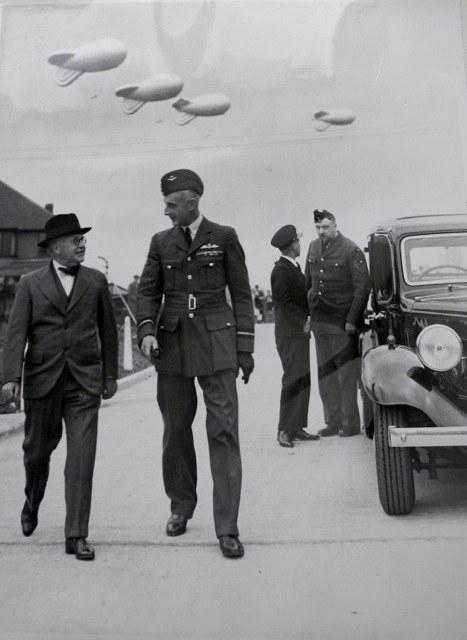
Sir howard Kingsley Wood at KidbrookIt would be churlish to ignore totally the little man on the left. He was the Secretary of State for Air, Howard Kingsley Wood, and his visit to RAF Kidbrooke in 1939 occasioned the arrival of the photographer and hence this record of the event*.  In fact, I am only really interested in the tall, uniformed figure accompanying the distinguished guest. This was James Bevan Bowen, Air Commodore, whose happy combination of family circumstance, quick thinking and kindly thoughtfulness made him the blue-eyed boy of a lot of old ladies in our corner of North Pembrokeshire.

The Air Commodore was the son of Sir George Bevan Bowen and had been brought up at Llwyngwair, just four miles along the A487 from Dinas, where his family had lived for generations. However, by the beginning of the war he was in command of anti-aircraft balloons in South-East London and his family had evacuated itself to Cambridge.  Sir George Bowen, his father, still lived at  Llwyngwair but when he died in 1940 the Air Commodore knew that the army would probably commandeer his childhood home. At that point he got in touch with the Salvation Army and offered the house to them.
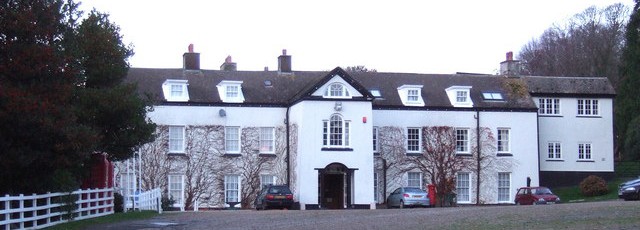
This was the seat of the Bowen family from the 1500s to 1956

This was the seat of the Bowen family from the 1500s to 1956 (Photo credit ceridwen)

The Salvation Army accepted with alacrity and, apart from two bedrooms for the storage of family furniture and a plot for a caravan for Bowen holiday visits, they took charge. The house was run by a Major and 3 or 4 Lieutenants – all women. It was cleaned from top to bottom and kept immaculate. Within a few weeks the old ladies arrived from the East End of London and, with two or three beds in each room, the house was able to accommodate about twenty elderly victims of the blitz, at any one time.

The relationship with the Bowen family remained close and friendly. When the family arrived from Cambridge for holidays they spent time with the residents and Christina, the youngest, would be allowed to start off the evening bible discussions organised by the Salvation Army by picking the quote of the day from a bowl that would be passed around. The ladies loved her father and called him their ‘blue eyed boy’; I’m sure they loved having his children around too.

The Salvation Army left the house in 1946 and different branches of the Bowen family returned to Wales to live at Llwyngwair and Berry Hill.
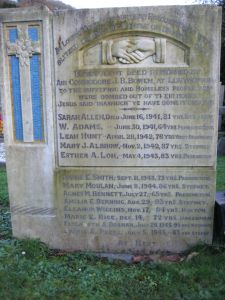
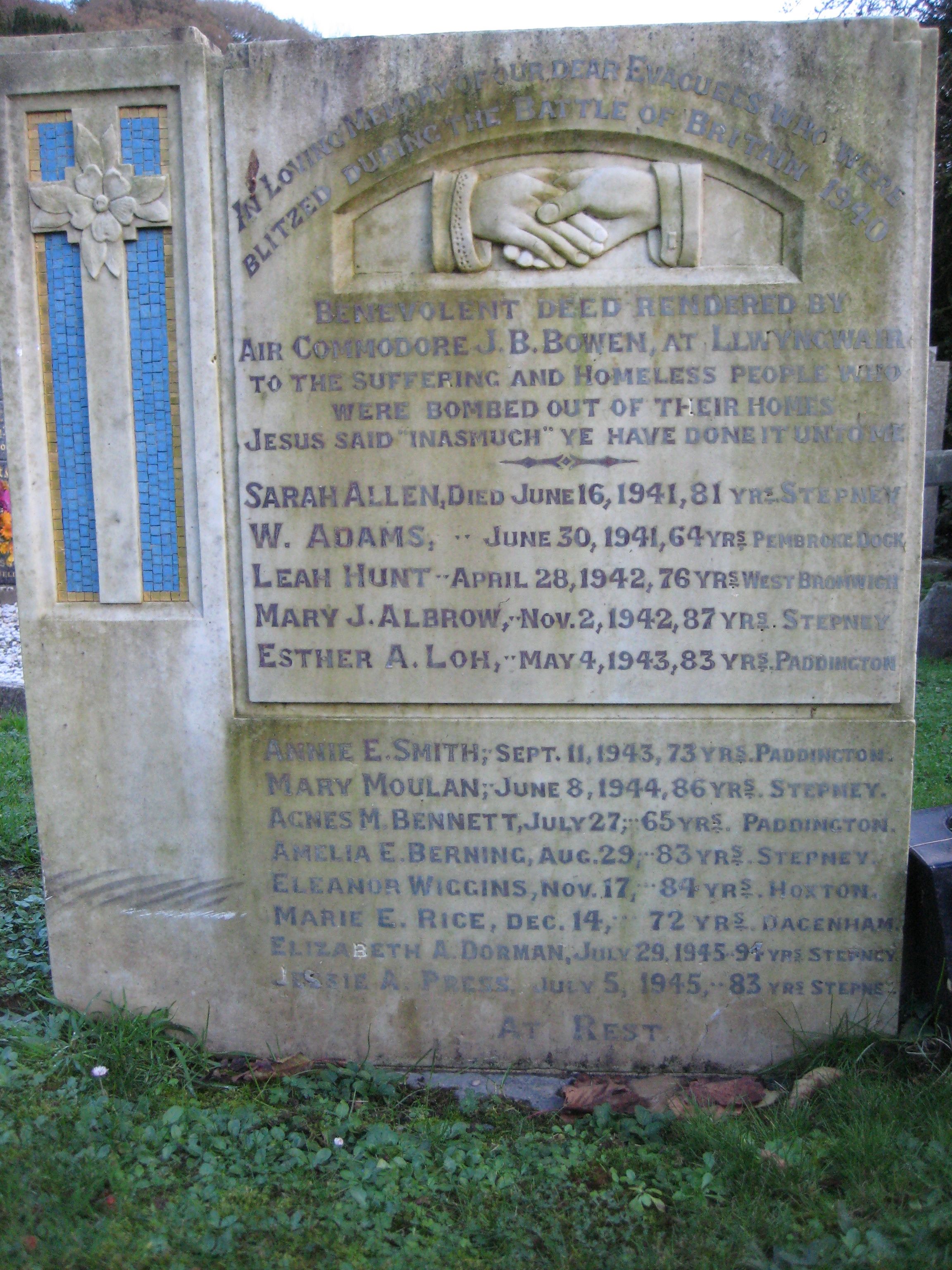
Headstone for the Nevern EvacueesThe inevitable funerals from Llwyngwair during the war years took place in St Brynach’s Church, Nevern, and the ladies were buried in a large plot in the churchyard marked by a slate headstone.

By 2010 the slate had badly deteriorated and the writing was barely legible. Attempts at that time by the Bowens to clean the stone and consider how to restore it led to further discussions and the decision that the memorial needed to be replaced. Generous contributions from the Bowen family and others covered the cost and here is the fine new replacement.

When I first visited the new part of the graveyard and saw the headstone I was drawn by the bright blue decoration and the sculpted hands; I was then struck by the unusually affectionate wording relating to people who were obviously not local to Nevern. At that time I knew nothing of the story behind the journey of these elderly ladies from the blitzed East End of London to the safety of West Wales and I am now really grateful to Christina Woodhead (née Bowen) for sharing some of her childhood memories.

I would very much like to know more of the lives of the elderly ladies who ended up at Llwyngwair Manor. We have some of the names on the gravestones, I wonder if anyone has personal knowledge of their lives before their move to Pembrokeshire. I would love to hear from them.

The names on the headstone are: Agnes M Bennett, Amelia E Berning,  Annie E Smith, Eleanor Wiggins, Elizabeth A Dorman, Esther A Loh, Jesssie A Press, Leah Hunt, Marie E Rice, Mary J Albrow, Mary Moulan, Sarah Allen, W. Adams.

Since writing the above

Heather Hill, a family historian whose Dinas roots overlap with mine and who is working on this project with me, has revisited Nevern’s new graveyard and taken some more photos. See below. Behind the main burial site she noticed the two crosses that are individual memorials to Sarah Jane Allen and Mary A J Albrow.


*For more photos and a little more information on the defence of London from the East during the second world war visit this fascinating blog: http://thamesfacingeast.wordpress.com/2014/11/09/appreciation-for-dads-army-in-shooters-hill/

Posted in History, Religion | Tagged , , , , , , , , | 9 Comments