

There is no litter in Dinas so I have to conclude that this is Art.
‘The Shock of the Blue Glove’ installation in cotton, plastic and plaster by Anon was displayed near the postbox in Bryn Henllan. Is it still there?
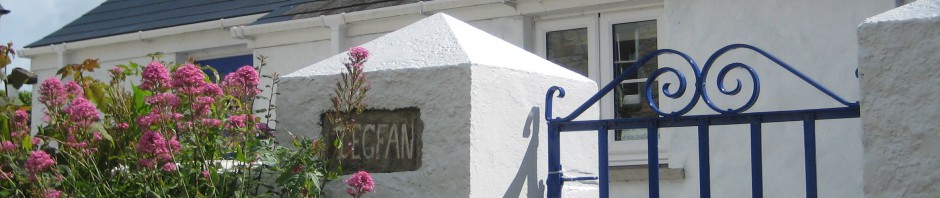
There is no litter in Dinas so I have to conclude that this is Art.
‘The Shock of the Blue Glove’ installation in cotton, plastic and plaster by Anon was displayed near the postbox in Bryn Henllan. Is it still there?


You’ll find the answer in Fishguard Town Hall, along with pictures that bring the remarkable events of February 1798 to life.
The glorious Fishguard Tapestry, designed by Elizabeth Cramp for the bicentennial celebrations and stitched by 70 local people, splendidly tells the story of how the drunken ill-disciplined French invasion force was confronted by local people, while the British troops, fearing themselves outnumbered, withdrew to Haverfordwest.
The weather, along with the ineptitude of the French invasion force, had saved Bristol from attack and brought 1400 troops of the Légion Noire to Pembrokeshire, where they disembarked at Carreg Wastad Point and marched on Fishguard.
Jemima Nicholas, locally accredited with the strategy which deployed local women in their red costumes to defeat the invaders, was not a mythological character but did indeed play a heroic role and is portrayed in the tapestry as a powerful figure. She is the cobbler who, armed with a pitchfork, rounded up twelve Frenchmen near Llanwnda and then went back for more. Within a couple of days the French troops had surrendered, but not before news of their arrival had caused some panic and consternation across the country.
 The treaty of surrender was signed by the French in the Royal Oak Pub, on Market Square. The tapestry is beautifully displayed upstairs in Fishguard Town Hall, on the other side of the square, where you can view it for free.
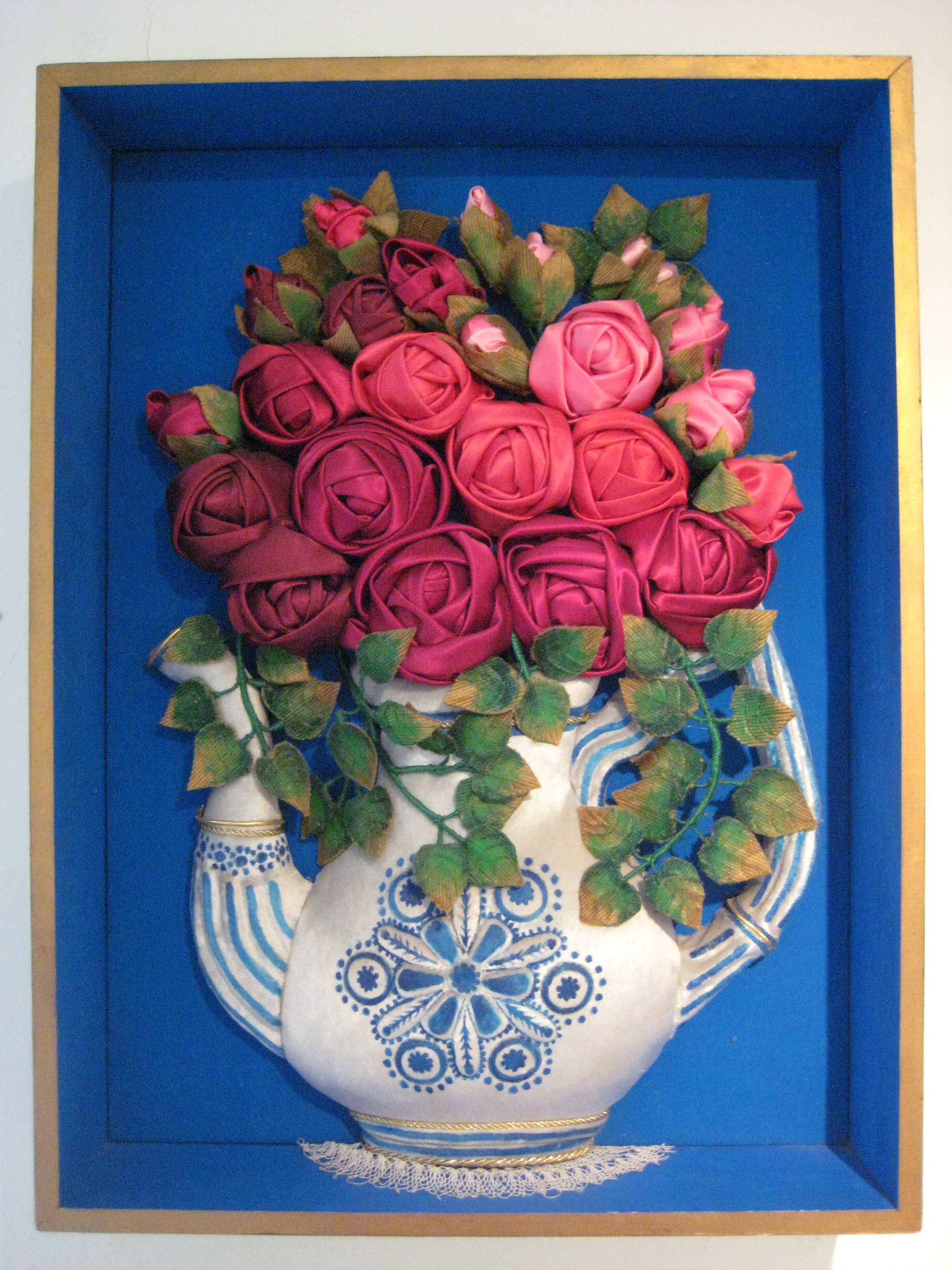 The first time I had a proper look at Eirian Short‘s work was in Len Rees’ Gallery in Bryn Henllan, Dinas. My previous viewings had been rather perfunctory. I liked the colours and the shapes but have always thought of embroidery as potentially a bit dusty. Ceramics can be given a wipe every now and then to keep the colours fresh, paintings and prints will often have glass protection … but what to do with dusty threads? I haven’t really solved the problem yet.
My visit to Len Rees’ gallery, however, has taught the prejudiced and uninformed me that Eirian Short’s work is art. It is surprising and brilliant. After training, teaching, writing for Batsford publications (the best – in my opinion) and gaining national recognition and many commissions, Eirion returned home to Pembrokeshire and has now lived in Dinas for many years. Here are some of her best known works, many of which are now in National Collections.


I love the dark subjects in a medium I has previously associated only with prettiness. But even the more traditionally decorative pieces are startling, brooding and thought provoking.


Embroidery is very closely related to painting. It is constantly changing, with each new style each epoch brings. It is all art and ought to be treated like one. (From “Vom Sticken” Hannah Hoch 1917-1918.)
Click on a photo for a slideshow with captions.


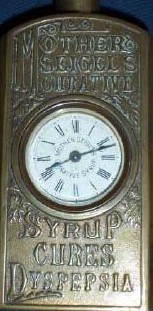 Of all the village clocks in the country in 1899 Dinas village clock must have been one of the smallest. I found this picture on a bottle collectors’ website.
A similar clock, on a bottle advertising Mother Seigel’s curative syrup, played an important role in Dinas at the end of the 19th century, not very long after the country as a whole had switched from local mean times to GMT. As reported in The Country Echo† on 28th September 1899:
A cyclist passing through Dinas, being desirous of obtaining the Greenwich time, entered the Post Office which is customary. Putting the query to Mr Bennett in the usual manner, he was greatly surprised to see that gentleman walk behind the counter and take hold of a bottle to oblige the questioner. “Twenty past five” came the answer, and it was only by utilising all his muscle power to grip the counter that the wayfarer managed to keep his footing, the bottle bearing the small dial in its centre was a Seigl(sic) Syrup* advertisement! This particular timepiece has regulated Dinas time for the past six years.
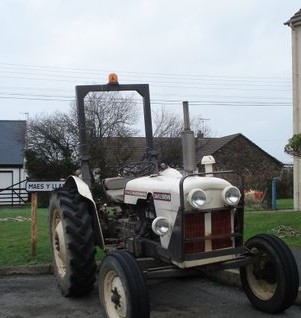 Just round the corner from Tegfan lives an enthusiast. His collection of vintage tractors is displayed one at the time on the street corner. The tractors are in working order and beautifully restored.


I’ve decided that our bookshelves need attention. The smart old hardbacks on the top shelf came from the library of our aunt, who bought Tegfan fifty years ago. Many of the other books have been left by visitors; some of these books may still be of interest – others not.
 The children’s books are an accumulation that some our children have grown out of and have donated as holiday reads to others. Many of these books are shabby now, but maybe family members have their favourites. There’s a battered copy of “Tootles the Taxi”, of which I am very fond. Are there any children’s books that you would particularly like to find when you arrive for your Dinas holiday?
There is room for improvement.
Have a look at the shelves. Click on the pictures to have a good look at the titles on the spines. I’d like your comments. As an Oxfam book volunteer I’ll be able to follow up your suggestions relatively inexpensively and make a contribution to a good cause at the same time.



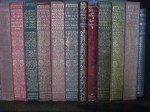

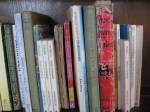
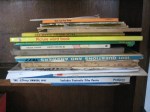
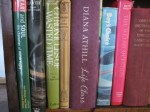


I have already made a start and bought this book for Tegfan. I have left it on the shelves.


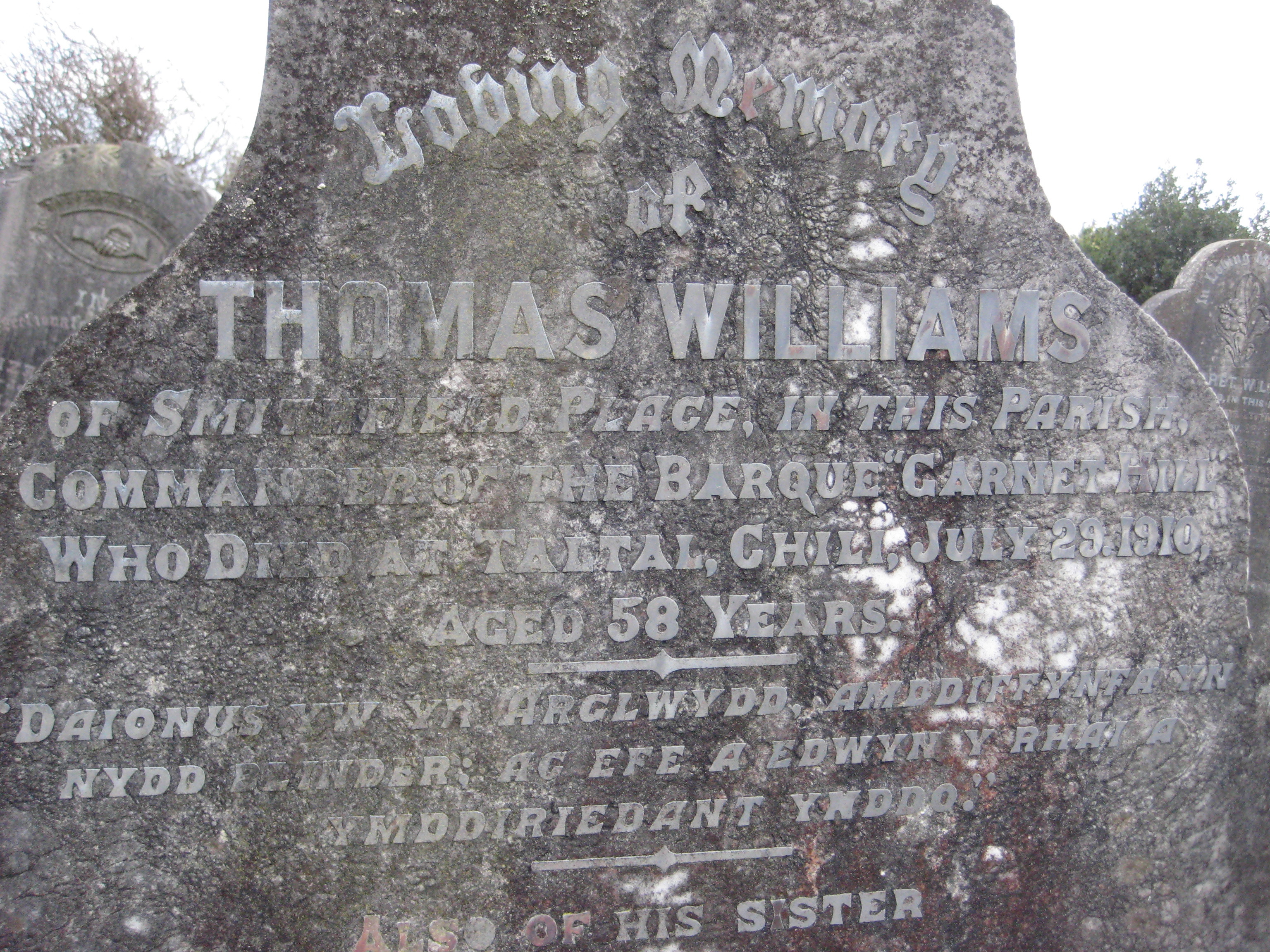
In loving memory of Thomas Williams of Smithfield Place in this parish, Commander of the barque Garnet Hill who died at Taltal, Chili, July 29th 1910, aged 58 years.
For such a small village, the number of sea captains buried in Dinas’ graveyards seems incredible. Just round the corner from Tegfan, in Ramah, is this headstone, inscribed in memory of Thomas Williams who died over a century ago on the other side of the world. At that time, communication was slow and uncertain and I can imagine the anguish of his family while they were awaiting news of him.
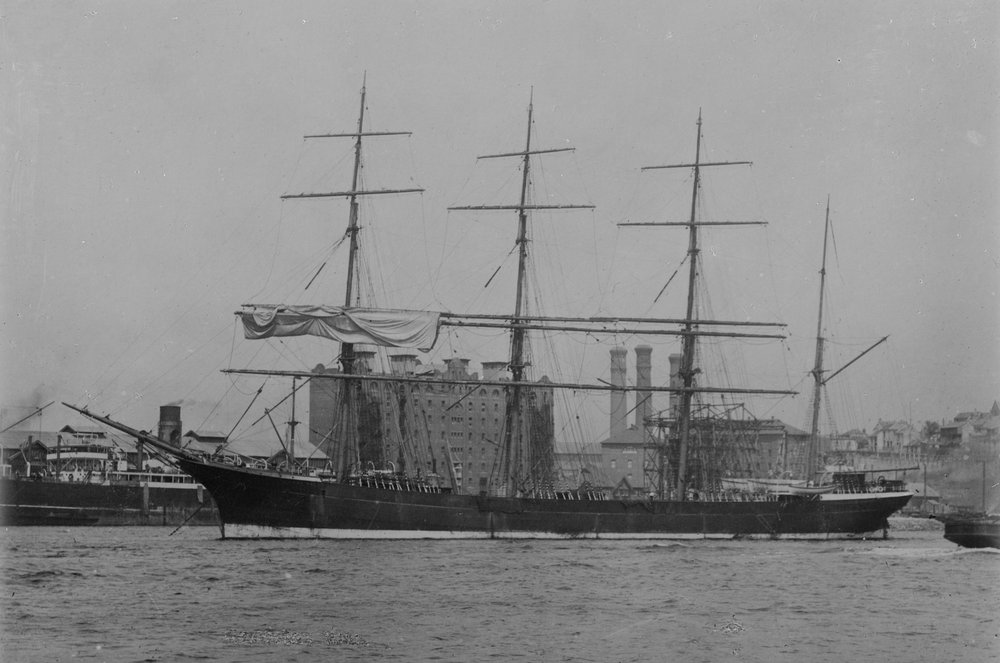
The Garnet Hill
His ship, a steel 4 masted barque built in Glasgow in 1890, would not survive long after the death of her Dinas born commander. The Garnet Hill was torpedoed and sunk by a German submarine in 1917 off the SW coast of Ireland. At the time she was carrying a cargo of nitrate.
Our Thomas Williams must also have been carrying nitrates while he was master of the Garnet Hill. Taltal, in Chile, was an open anchorage and a sprawl of small buildings on Chile’s ‘nitrate coast’.
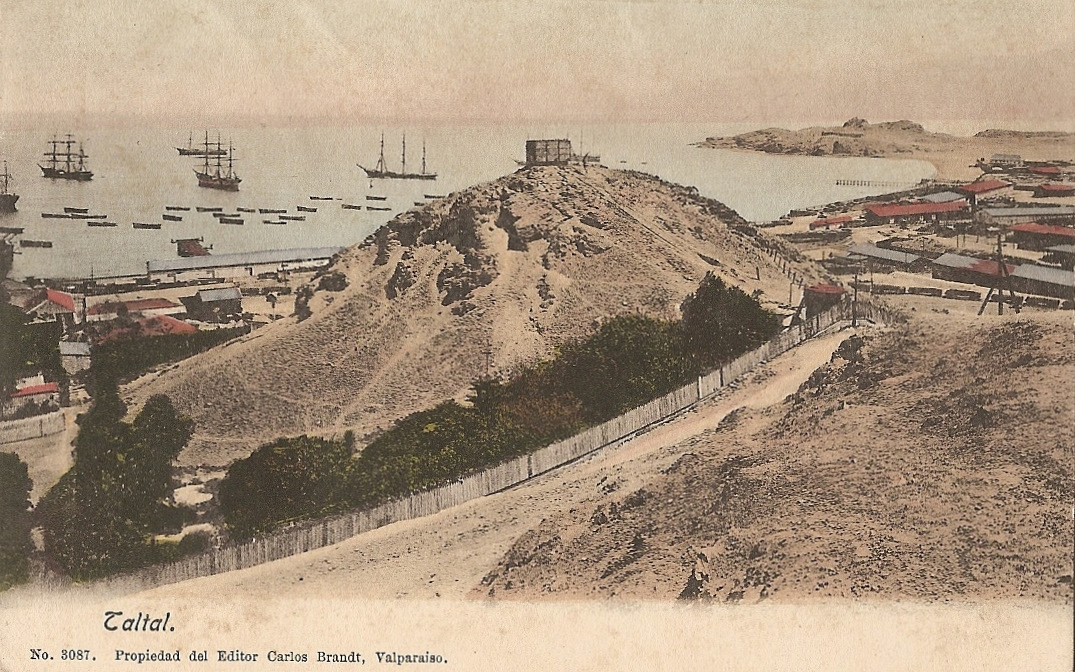
Postcard sent from Taltal, Chile, in 1912
It attracted ships from all over the industrialised world for the saltpetre that was mined further inland. This precious chemical was used for both fertilisers and explosives and was in high demand at a time before manufactured alternatives were available. It was both toxic and dangerous to handle but made the fortune of many, including John Thomas North,’ The Nitrate King’. I don’t know what killed Commander Thomas Williams, but the fumes from the cargo was known to kill rats and cats in the hold of a ship. The few lines on his tombstone might give the impression of a romantic traveller’s idyll; in reality, as described in this wonderfully informative account, it was a punishing existence.


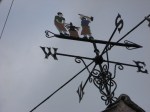
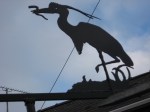
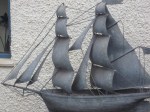
This forge has been the village smithy for generations. As you walk down Feidr Fawr towards Tegfan, you’ll see J E Thomas and Son on the righthand side, not long after leaving the main road. It doesn’t look special – just an ordinary old fashioned shed , but it’s worth stopping to look at the display outside.
Most of their work is undoubtably routine – fencing, repair of farm machinery and farm gates but there are also amazing flights of fancy from this creative and inspiring family.
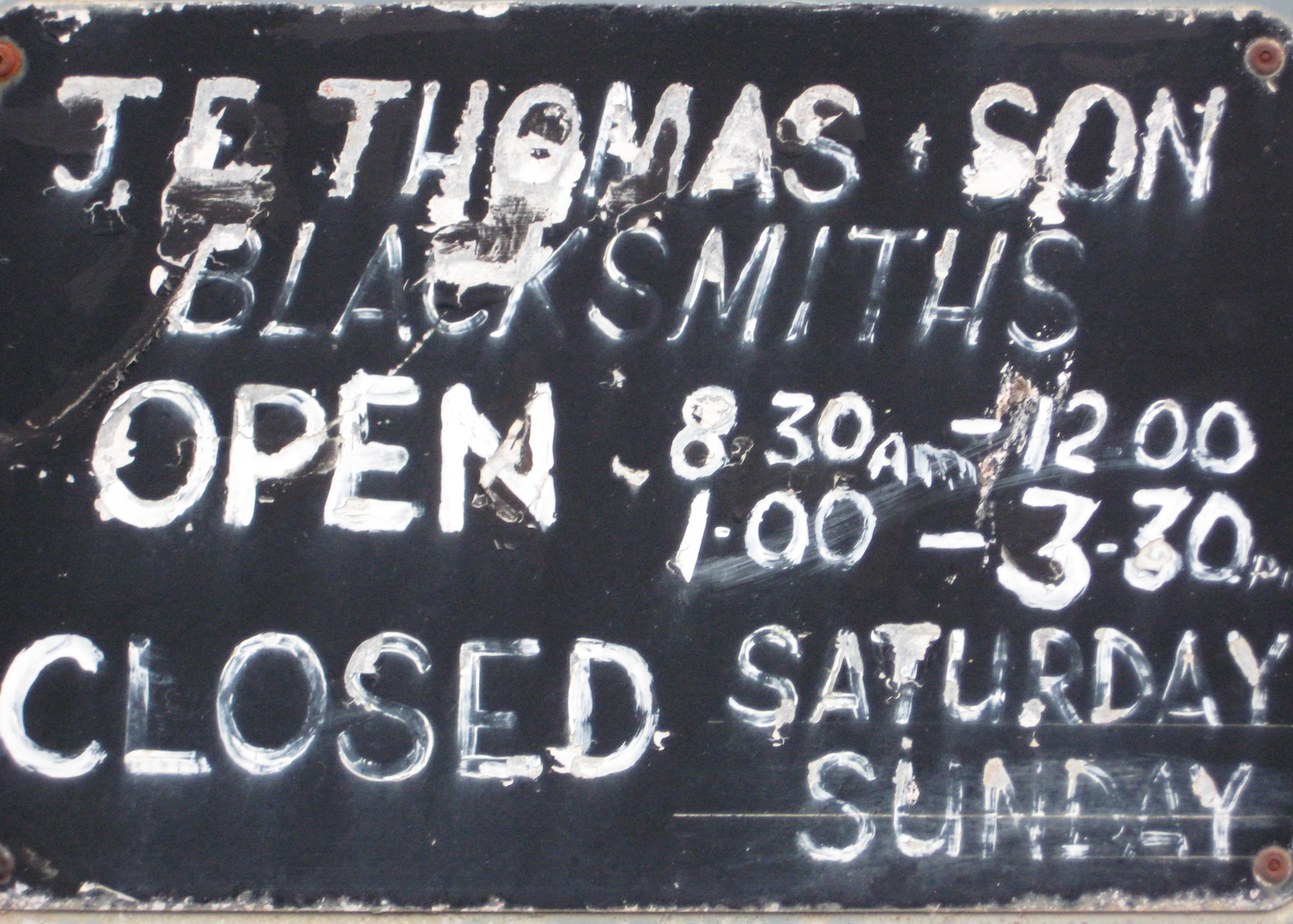
J E Thomas and Son opening hours
Inside, you can see photos of the commissioned and special projects but, of course, the blacksmiths are often out on business at the local farms. If you can catch the Thomases at home you can get an idea of the range of projects they have undertaken; the best way, however, is to look carefully around you during your stay in Dinas. Tegan’s garden gates were made by a previous generation of Thomases – I’ll show you the more recent pieces I have seen in the village another time.
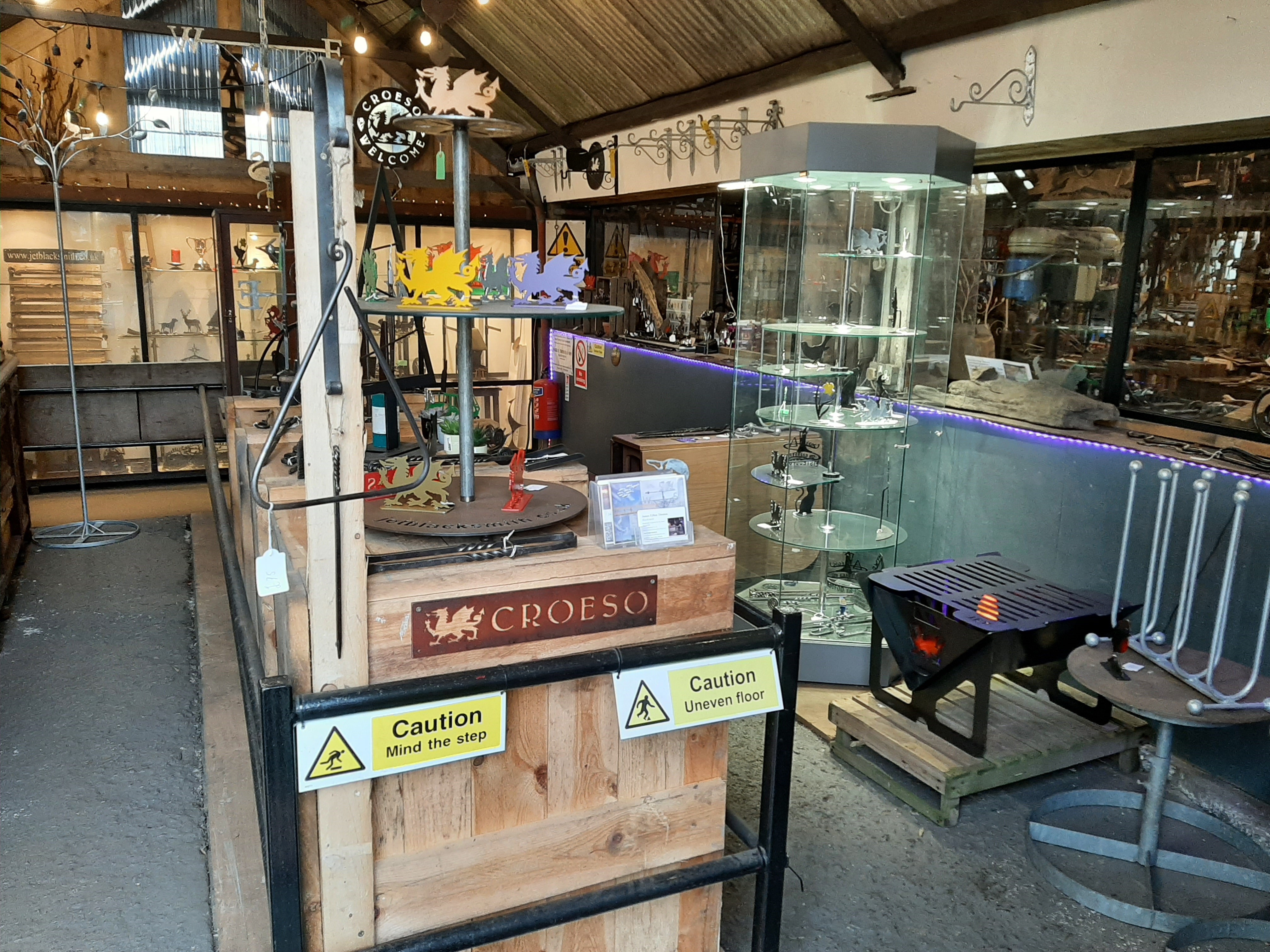
If you want to find out more about the Thomas’ forge you might like to know that they featured in the ‘One Day for Life’ book of amateur photos published in 1987 .


They also have a website.
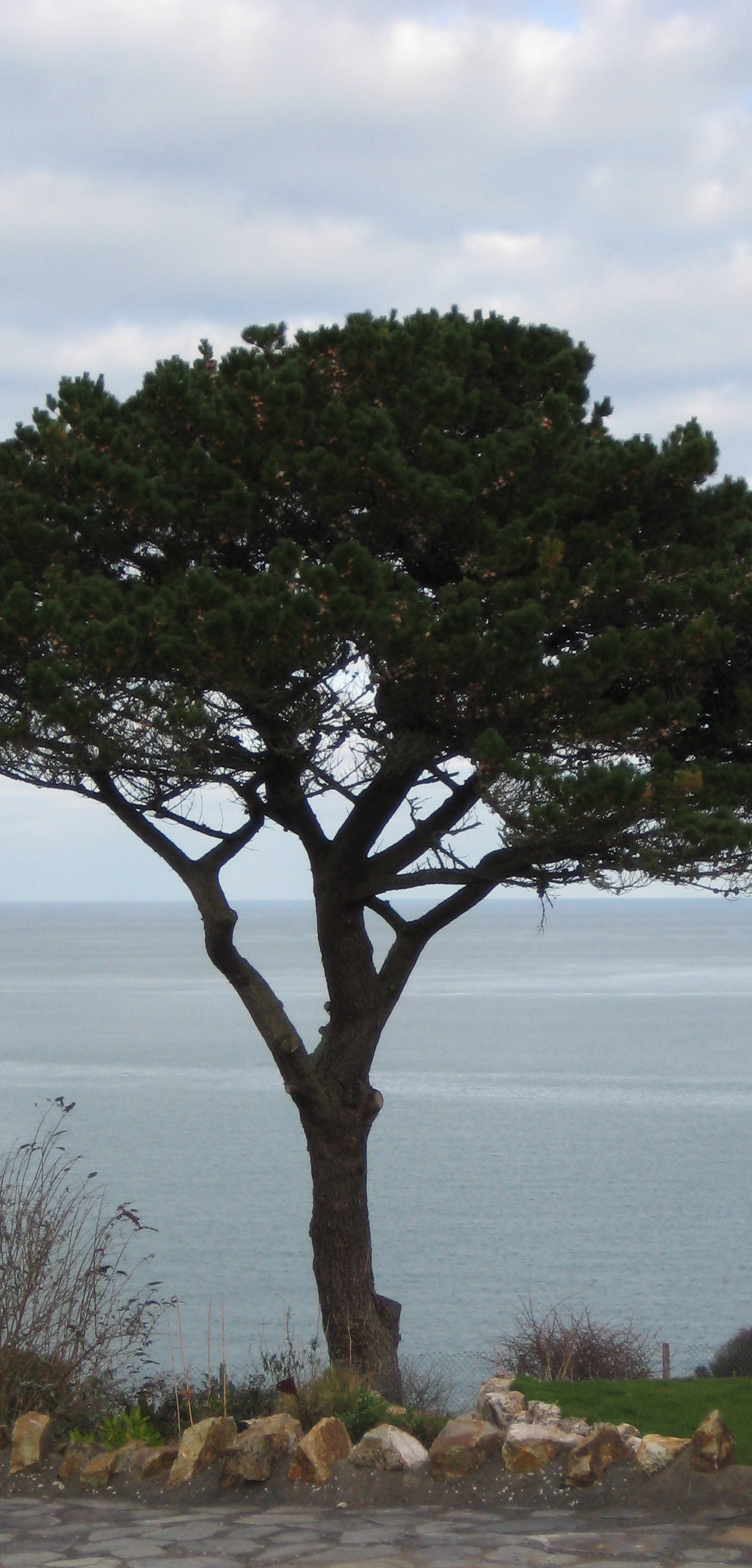 Our local beach warrants an article on Wikipedia and I’m quoting here from the text:
Sheltered from prevailing winds, Cwm-yr-Eglwys is renowned for having its very own microclimate, it being a few degrees warmer and dryer compared to other parts of the Pembrokeshire coast.[6] This allows the growth of trees and shrubs of almost Mediterranean luxuriance.[7]
I find this difficult to believe as you don’t find many swimmers in the Mediterranean, choosing to wear wet-suits on their summer swims; they are not rare in Cwm yr Eglwys, however.
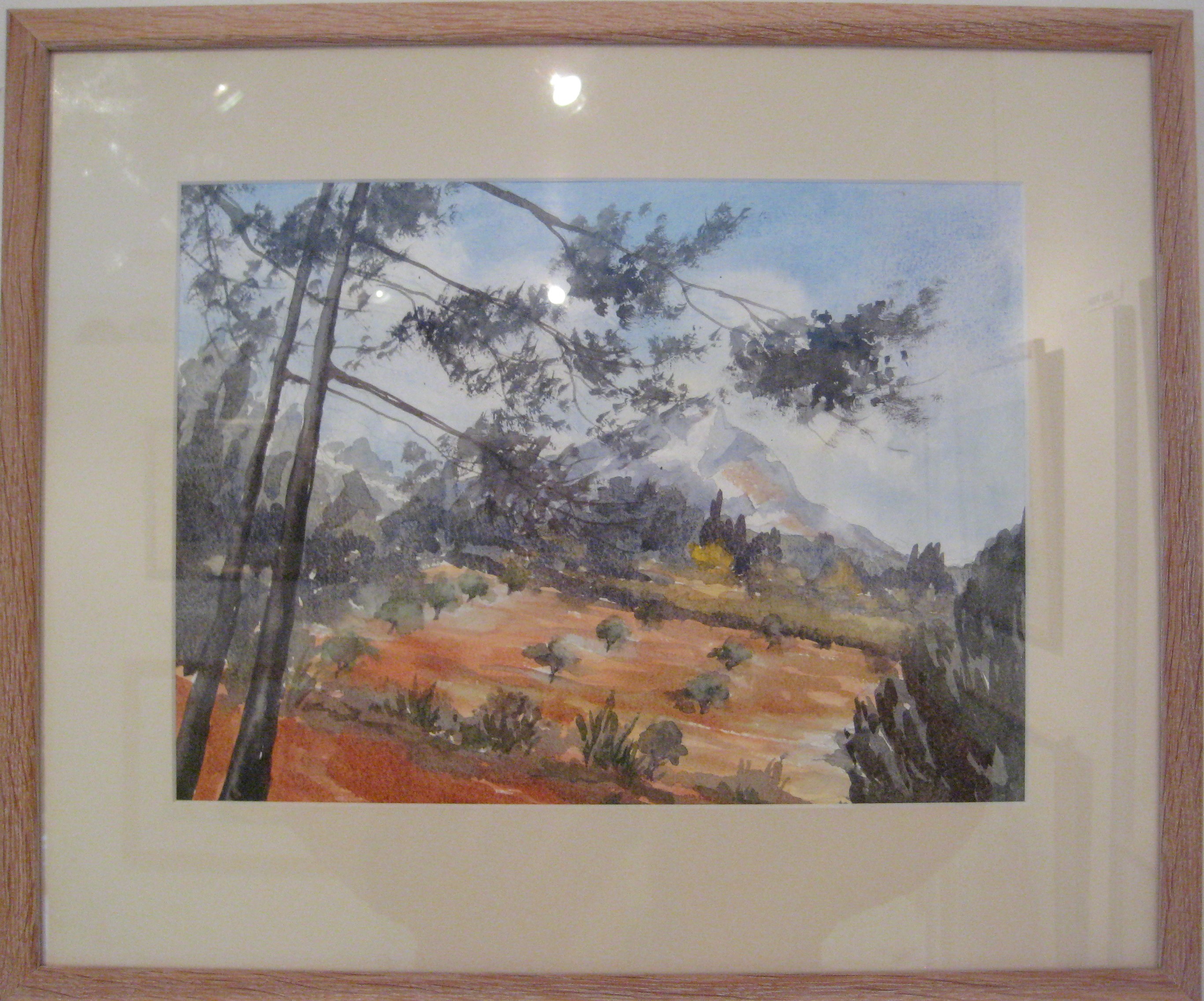
Maybe the trees along the cliff-tops do give this bay a rather Mediterranean feel. If you’d like a reminder of the real thing, here is a water colour by local artist, Jean Pugh. It’s entitled Pine trees / mountain, Aix en Provence and is on sale at Len Rees’ beautiful Gallery* for £250.
* 
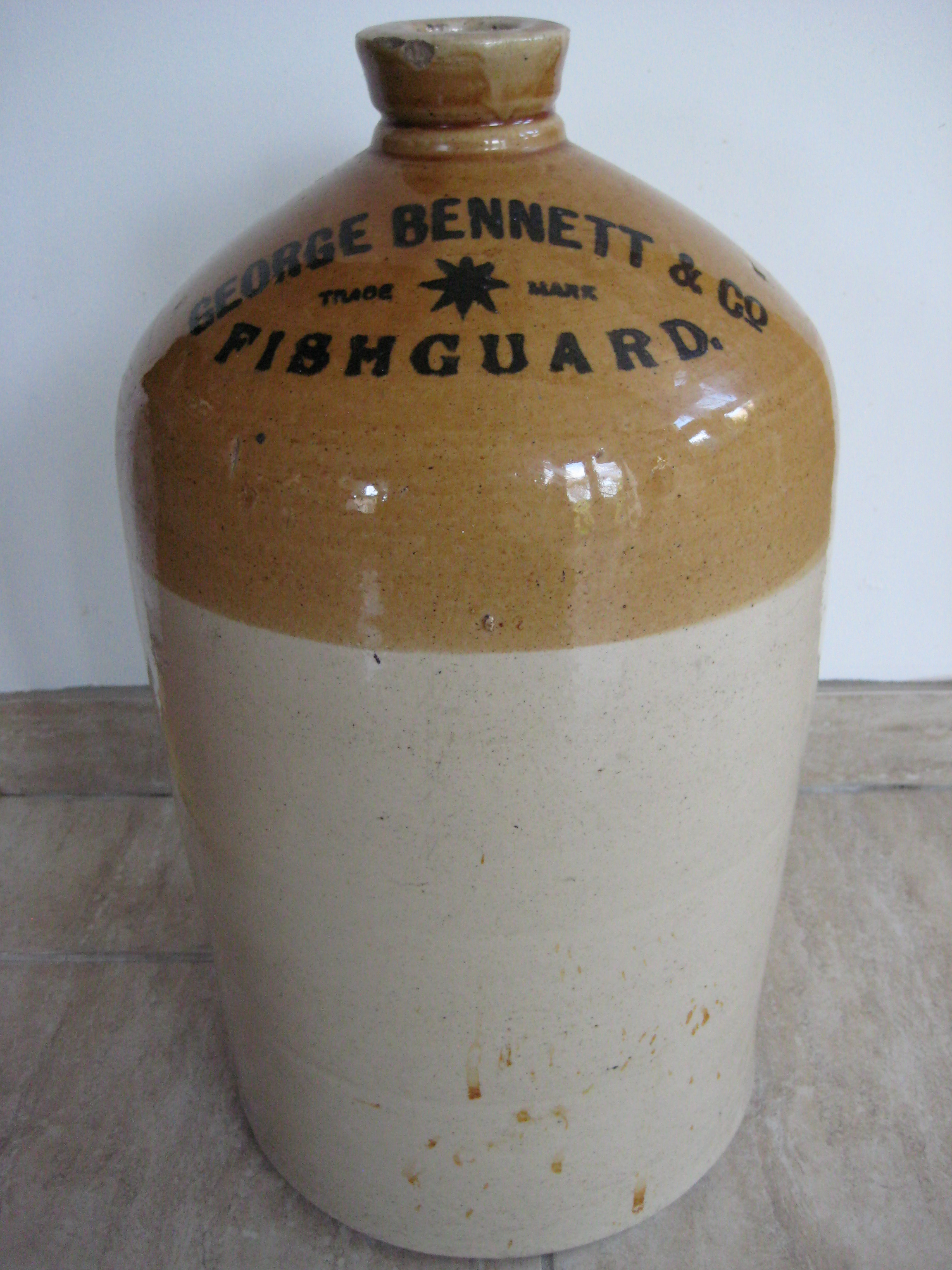
This lovely stoneware flagon hasn’t travelled far since it was filled by George Bennett’s wine and spirit business in the 19th century.
George Bennett and Co started life when George married Elizabeth Davies, the daughter of the landlord of the Red Lion in Fishguard. James Davies had opened the pub in 1826 and then expanded it into a successful wine and spirits business. George Bennett eventually took over from his father-in-law and traded successfully for 40 years.
The Red Lion was refurbished in 1932 and became known as Bennett’s Lion Hotel. The name changed yet again in the 1960s when it became known as Bennett’s wine bar, run by the fourth and fifth generations of the family
The pub is now known as Bennett’s Navy Tavern and no longer has any connection to the Bennett family.
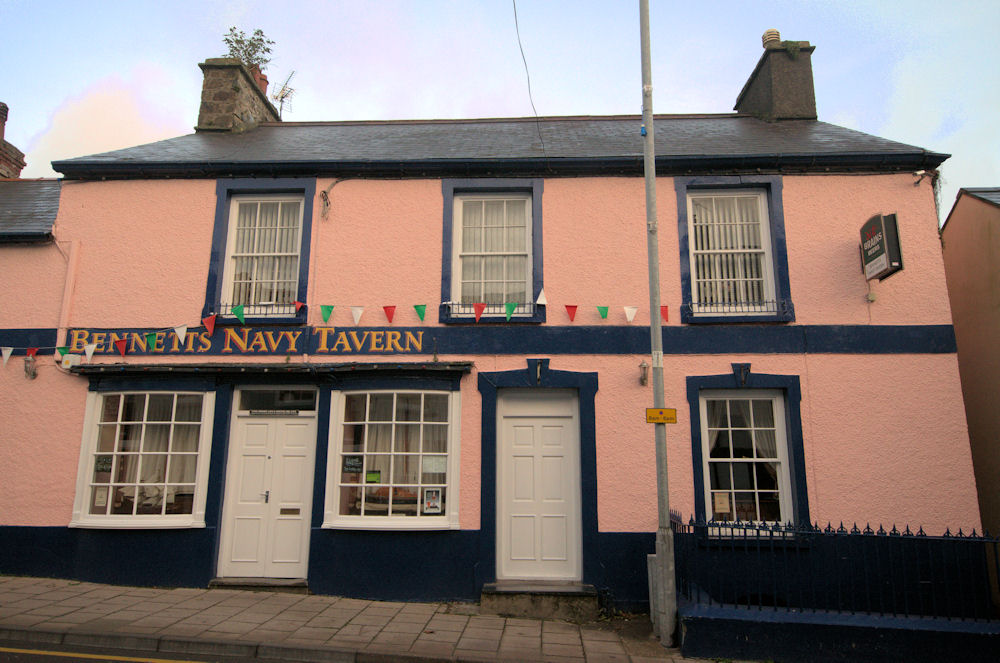
Photo Talsarnau Times, Creative Commons Attribution-Share Alike 3.0 Unported license
I’ll give you a glimpse of Tegfan’s secret garden. To find it, you have to leave the house and walk down the lane. It’s not far but it’s very secret. You can see the garden in this photo because the leaves have fallen from the hedging plants. In the summer it’s much harder to peer through the stalks and branches.
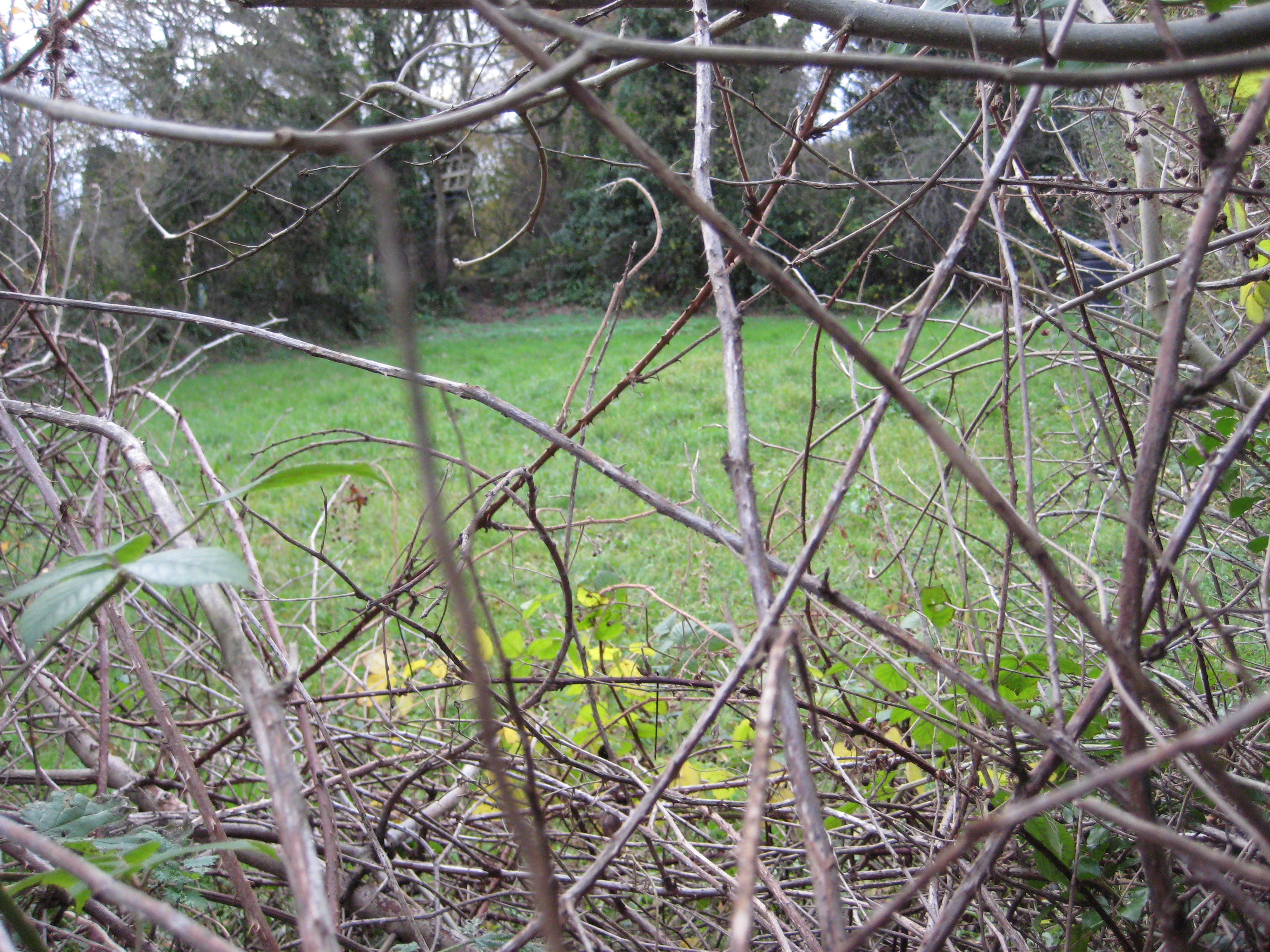 In the past this plot has been a vegetable garden and a great site for big bonfires. In the future we thought it would be a good place for visiting young people to camp out: the tent would be close enough for easy washing and eating with the family at Tegfan but far enough away for a bit more space and independence.
Other houses in Dinas have secret gardens too. When we summer holidayed with my great aunt, at the other end of the village, I knew that she had a garden behind the high hedge on the other side of the main road. We children were never invited to play there but I remember her emerging onto the road, through the greenery, carrying armfuls of fresh vegetables. And there was nothing fresher than the smell of her home-grown parsley, chopped for cawl at lunchtime. That smell still reminds me of sunny childhood holidays in Dinas.
 Tegfan, Dinas Cross