Good teachers make a difference

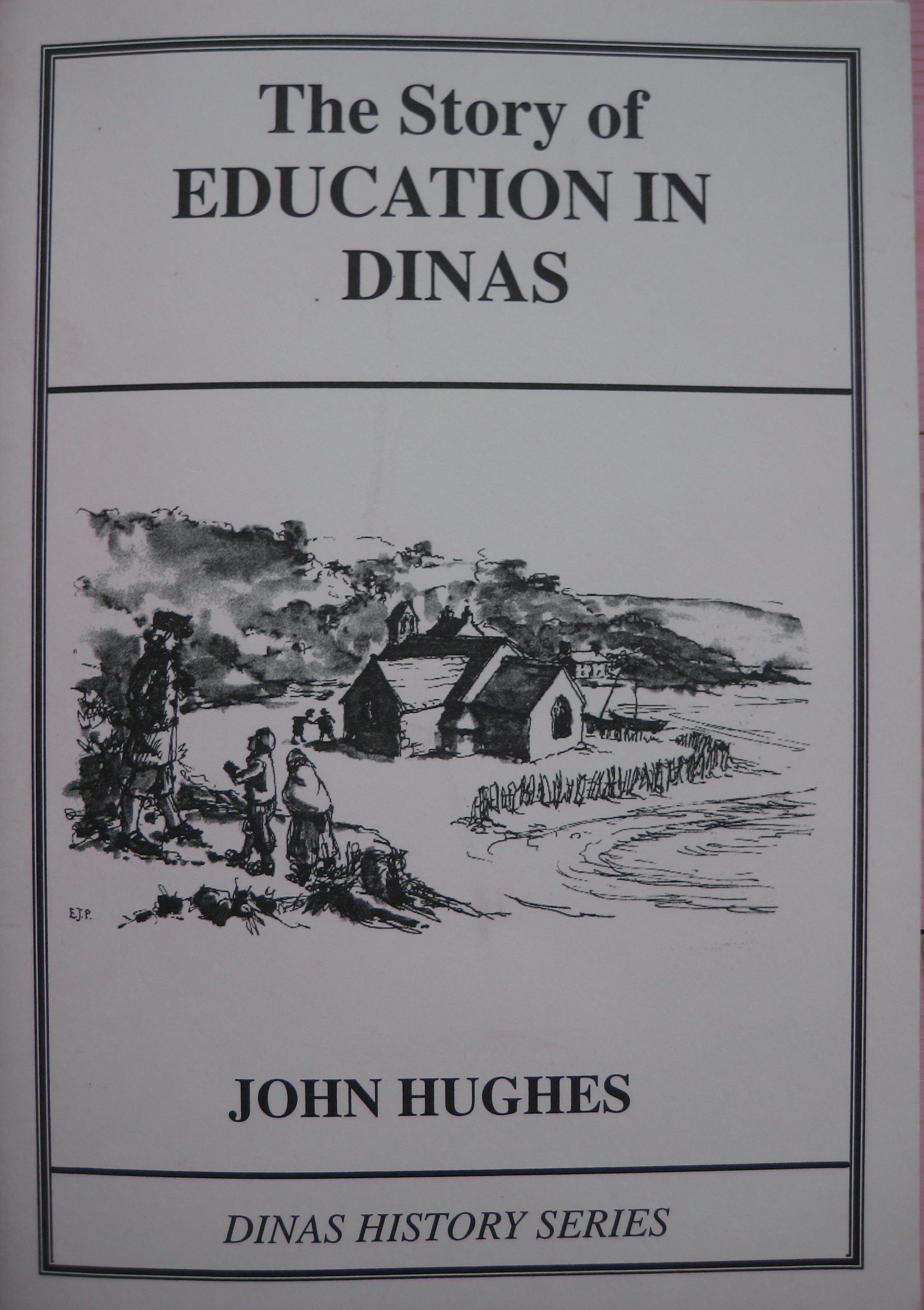
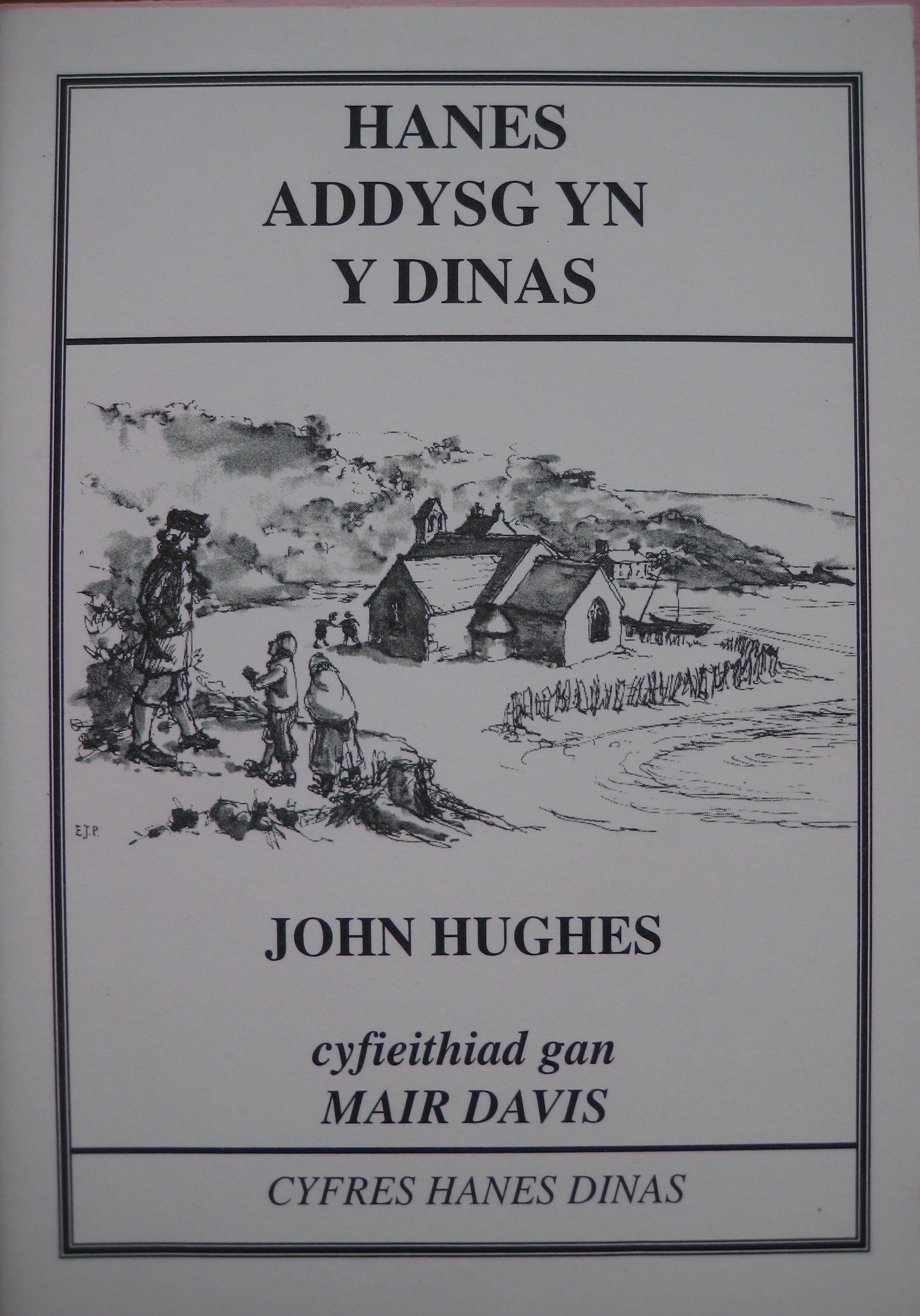
Education In Dinas (English)Education in Dinas (Welsh)I have two sets of great-grandparents who were born and brought up in Dinas. They were born in the 1840s and I don’t know whether or not they went to school. Judging from John Hughes’ depressing account of Education in Dinas*, it would have been possible for them to have attended for quite a while and learned nothing much. By the crosses on the signature line on one of the marriage certificates, it’s clear they that two of them were not even able to sign their names.

My grandfather, born 1877, did better although schooling, exclusively in English and exclusively with untrained incompetent teachers, must have been a confusing and dispiriting experience for a child from a Welsh speaking family.

  • His first teacher may have been Jonathan Perkins, who came to Dinas Undenominational School in September 1881. He seemed to be a promising teacher but was found to have falsified the attendance register (to increase his salary) and resigned before being sacked in December 1882.
  • His second teacher was probably John S Lewis, under whom education standards fell. Mr Lewis left in August 1883, suffering poor health.
  • His third teacher was the minister of Tabor, Revd David James, who filled in until another teacher could be found.
  • His fourth teacher, Lachlan McKinnon, arrived in October 1883, during whose leadership the inspectors noted the filthy state of the children’s toilets, the errors in the registers and the inadequate standard of education. The school’s grant was cut. On 18th November 1886 Mr McKinnon’s entry in the logbook read: “Today I sever my unfortunate connection with this school.”
  • The next teacher was William Howell whose discipline was weak and who took time off without permission. But the school’s report for 1888 was favourable, at last. By this time my grandfather was 11 and was probably finishing his schooling.
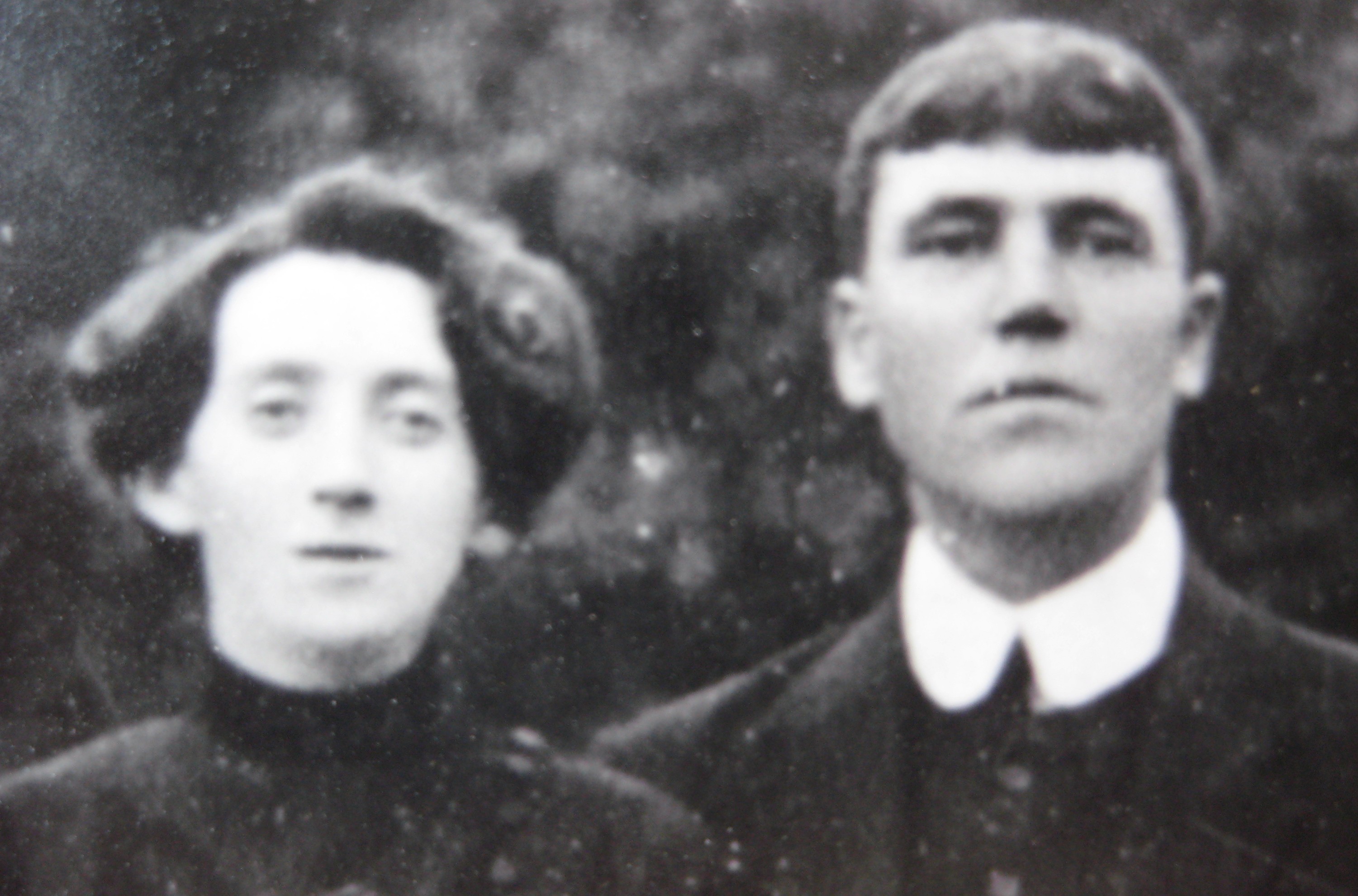
Paulina (George) and Tom MauriceToo late for my grandfather, in 1889, there were the first signs that attitudes towards the use of the Welsh Language in school were beginning to change and by 1908, his sister, Polly, was teaching the infant classes in Welsh. The new head teacher, Tom Maurice, was trained and certificated and son of the local baptist minister. He not only wrote the first school syllabus to include Welsh history and Welsh as a medium of instruction for arithmetic, but arranged swimming instruction at Pwllgwaelod and field trips into the surrounding lanes to study botany. The inspectors noted that Welsh was now taught throughout the school and “the general intelligence of the children has benefited thereby.”

Paulina George and Tom Maurice were married in early 1908 and Tom remained head teacher of the school until 1939.
*This fascinating publication can be obtained from Ann and John Hughes. Phone 01348 811255 for information.

Posted in History, Welsh language | Tagged , , , , , , , , , , , | 4 Comments

Read this and rage against stupid educationalists

Education In Dinas (English)If you have strong feelings on the positive value of a bi-lingual education, or indeed any education at all, be warned that there are parts of this wonderful book that will make your blood boil.

The Story of Education in Dinas* was written by John Hughes for the Dinas Cross Historical Society. It commemorates 300 years of schooling in Dinas and marks the sad closure of the village primary school in 2002.

The early years are a sorry tale of poverty and ineptitude. The population of Dinas was poor with no local gentry as benefactors and the income from school Education in Dinas (Welsh)fees allowed little for the payment of the teachers let alone the maintenance and cleanliness of the buildings. Staff, who were poorly educated and demoralised, were regularly soon sacked or chose to leave. The children’s attendance was not good, hindered by illness and farm duties. Most of the families spoke only Welsh, while the inspectors and visiting educationalists often spoke only English. Education was supposed to be in English only and the standard of attainment abysmally low. By the 1870s, with the establishment of board schools,  the regime required Inspectors to test each child in the school in English. Failure meant that the school grant and the teacher’s salary were further reduced.

Inspector Revd Pryce expressed a broadly held opinion:

There is no doubt that in an educational point of view, the disuse of Welsh as a spoken language will be a gain to the principality; for the limited area in which it is spoken, and the backward condition of Welsh literature, are serious drawbacks to the intellectual and commercial progress of the people.

So my grandfather who was born in Dinas in 1877 got his religion in Welsh from Tabor (and later from Castle Street in London) but even in the infant classes his education had to be in English only. His sister would help change things for the better. But more of that another time.

*This wonderful publication can be obtained from Ann and John Hughes. Phone 01348 811255 for information.

Posted in History, Welsh language | Tagged , , , , , , , , , , , , | Leave a comment

The traditional Pembrokeshire cottage

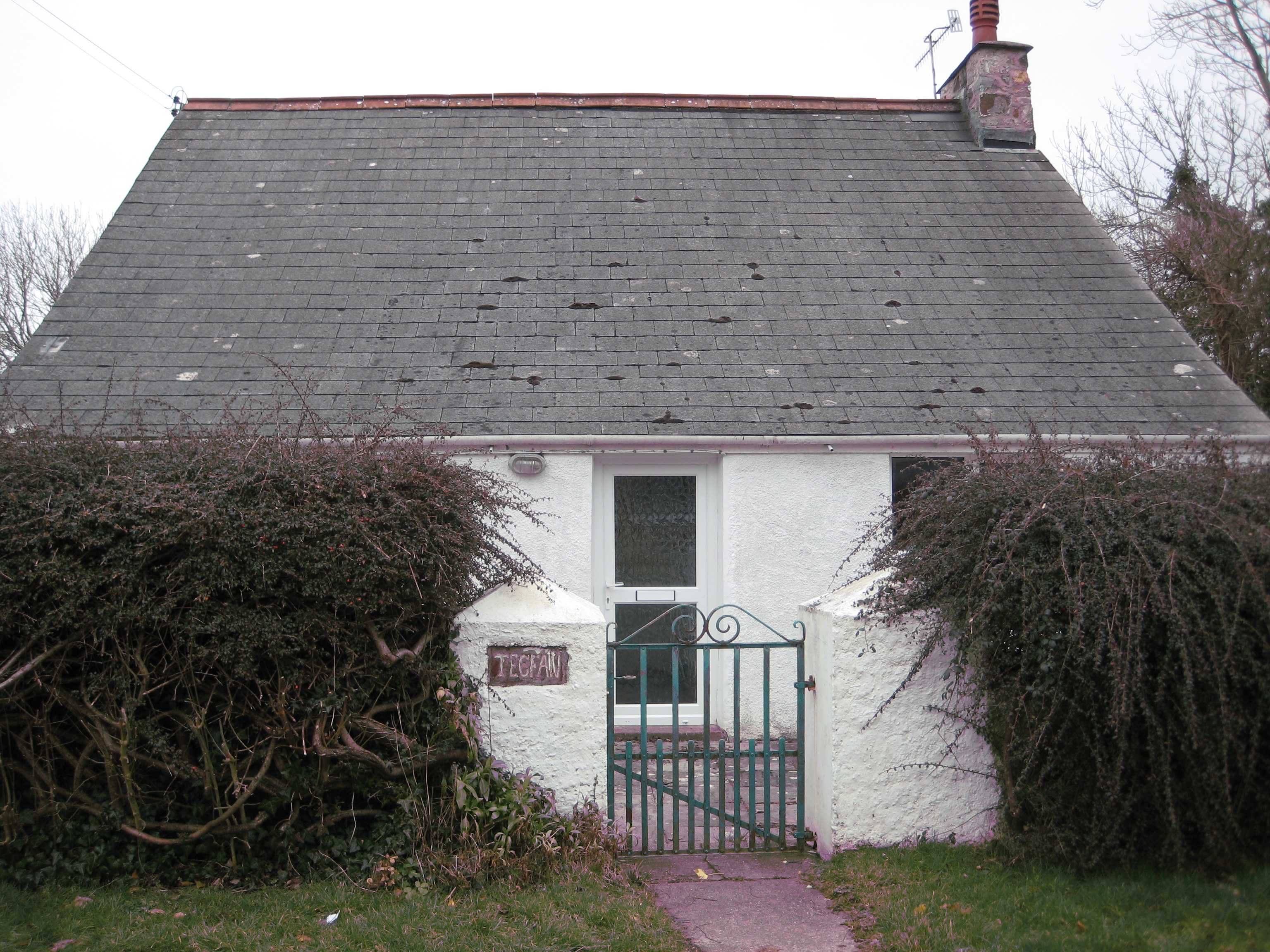
Tegfan - before recent building work

Tegfan – before recent building work

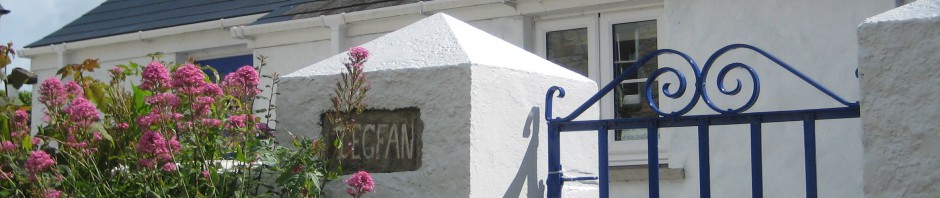
Although Tegfan had a new roof, a new floor and a new front door in the 1960s and has recently had a new kitchen, bathrooms, roof lights and central heating, it remains, esentially a small, traditional Pembrokeshire cottage. Its walls are two feet thick, its original windows are small and its roof beams are roughly carved and massive.

There are a number of resources for anyone interested in finding out more about the housing of poor Pembrokeshire families in the nineteenth century.

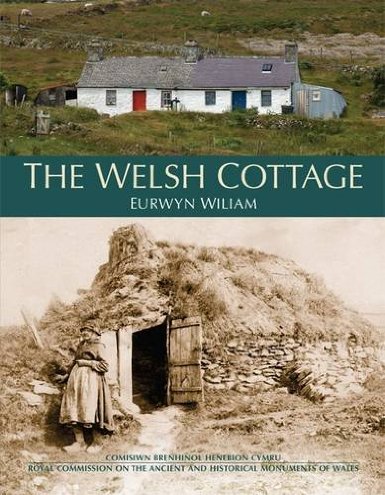
  • The Welsh CottagePenrhos cottage is a tiny ‘built-over-night’ house managed by the Pembrokeshire Museum Service. It is open by appointment.
  • ‘Save the Last of the Magic : Traditional qualities of the West Wales Cottage’ by Martin Lewis whose web-site has many  examples of sensitive architectural conservation in West Wales.
  • ‘The Welsh Cottage: Building Traditions of the Rural Poor, 1750-1900’ by Eurwyn William.

Further research should start at the Seaways bookshop on West Street in Fishguard.

Posted in books, Crafts, History | Tagged , , , , , , | Leave a comment

Welsh Rugby

Just in case you are thinking of combining a visit to Tegfan with a trip to the Cardiff Millennium Stadium, here are the important dates to bear in mind:

  • Wales v Italy  –  Sat 4th Feb 2014
  • Wales v France  –  Fri 21st Feb 2014
  • Wales v Scotland  –  Sat 15th March 2014.

Here is a useful Y Lolfa publication to help you prepare for the event (if necessary),

and here is a taster of the real thing.

Posted in Sport, Welsh language | Tagged , , , , , , , , , | Leave a comment

The lime kilns on the Dinas coast

There are lime kilns at Pwllgwaelod, Aberfforest and Newport, sited on the beaches for the convenience of transport which, for heavy bulky material like limestone and coal, used to be by boat. The kilns are probably about 200 years old and were in use until the beginning of the twentieth century, providing lime for house building and fertiliser for the fields. The kilns are unmarked, unprotected and over-grown  but are a curiosity and treat for walkers along the coastal path. Fearful that these historical landmarks will soon decay beyond recognition, David Kitching is devising a database of all the limekilns in the country. This will become a fascinating resource. View his website here.

Posted in Farming, Sea | Tagged , , , , , , | Leave a comment

Objets trouvés

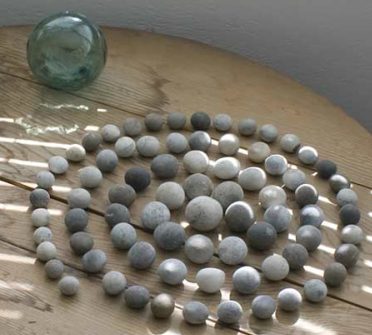
Pebble Spiral by Jim Ede 1958The first time that I went to Jim Ede’s beautiful gallery house in Cambridge, I was struck by the familiarity of the found objects that sat so comfortably among the 20th Century art in Kettle’s Yard.

These stones could have come from a North Pembrokeshire beach, where the strength of the waves has smoothed and rounded the pebbles that lie on the high tide line.

Look on Flikr for Lou Murphy’s photos; she uses the quartz-striped stones from Pembrokeshire beaches in a lovely demonstration of the creative potential of these surprises of nature.

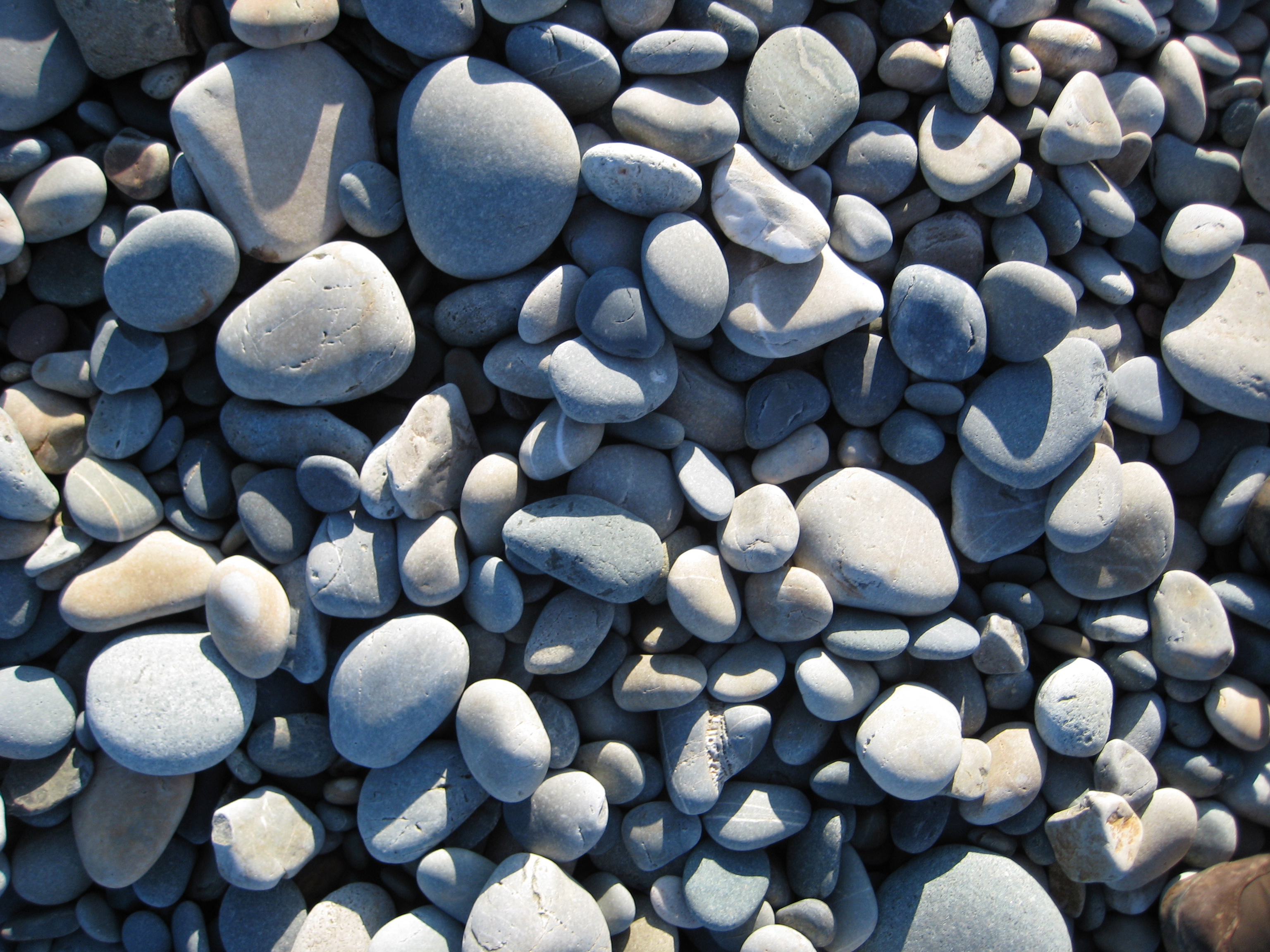
Dinas’ Aberfforest and Aberbach have banks of stones at the top of the beach but the best stones in the area are to the south of Fishguard on the lonely beaches of Aberbach and Abermawr. I remember that smugglers were found there not so long ago, but you’ll also find shapes, patterns and colours to treasure amongst the stones.

Stones from a Dinas Beach  on the high tide line

Posted in Nature, Sea | Tagged , , , , , , , , , | Leave a comment

Self sufficiency in West Wales


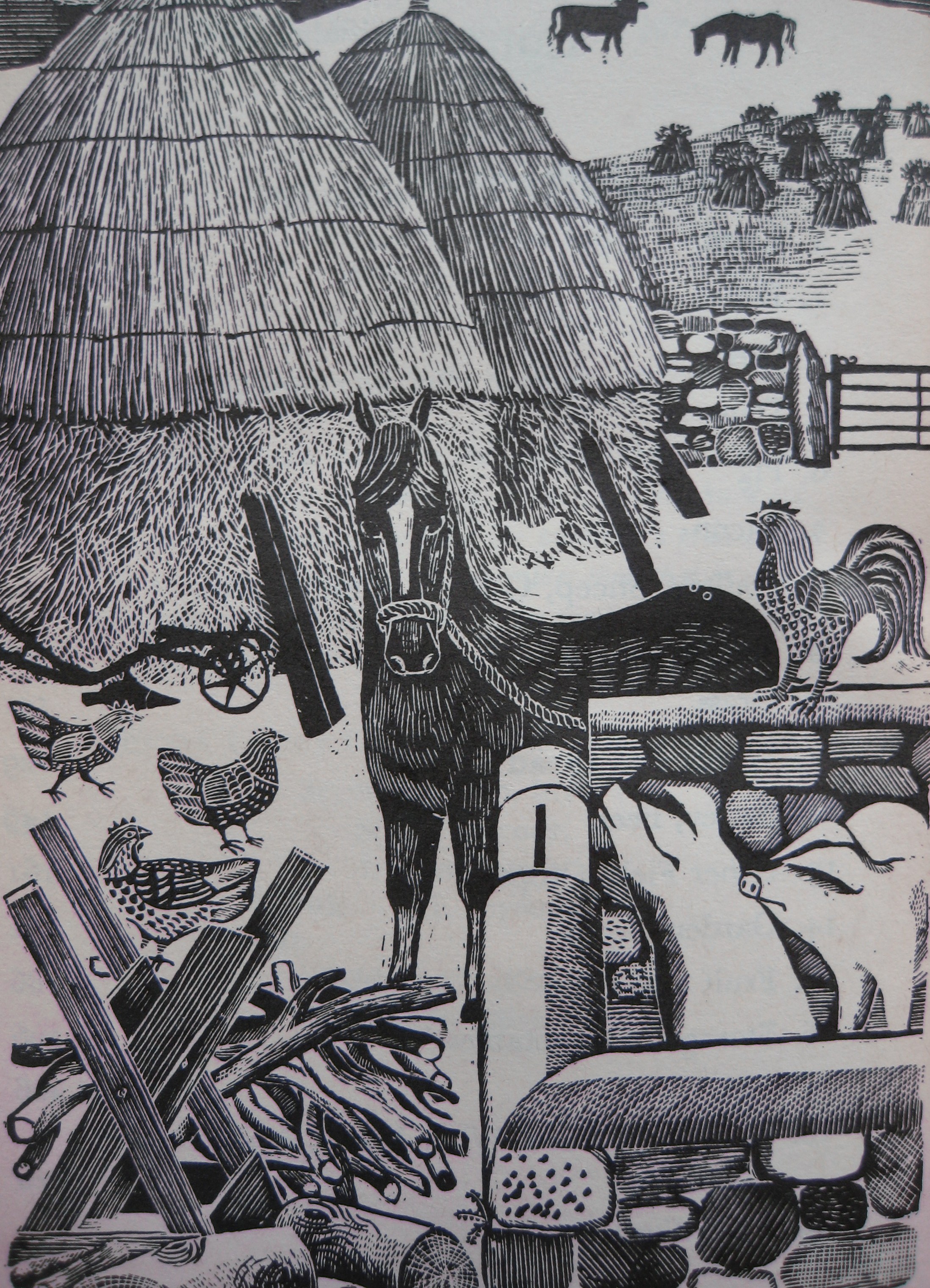
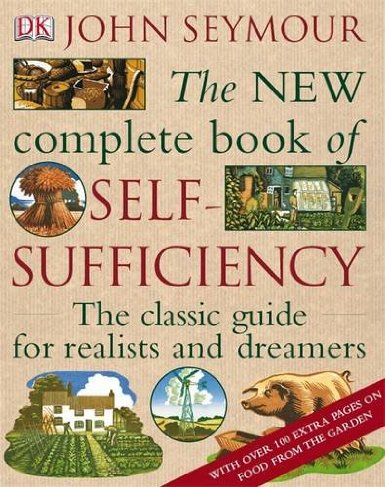
Sally Seymour’s lovely scraper board illustrations*are based on the farm near Dinas where the Seymour family strove to become self-sufficient in the 1970s. The illustrations appear in the book  Self-Sufficiency – The Science and Art of Producing and Preserving your own Food, which she jointly produced with her husband John Seymour in 1973.

Their brave attempt placed them in the vanguard of the self-sufficiency movement with the publication of Schumacher’s Small is Beautiful in 1973 and the screening of The Good Life (inspired by John Seymour’s writings) in 1975.

Whether or not you are tempted by life on a small holding, John Seymour’s writing is worth looking out for. Many of his books are out of print, but in preparation for your Tegfan holiday reading, you now have a good excuse to dally and browse in your local Oxfam book shop. You might find the tone a bit opinionated, the coverage idiosyncratic and his dedicated anti-modernism tiresome, but he’s idealistic and able to turn what appears to be awful drudgery into fun.

Here he is on a canal holiday in Holland with Sally, stopping by a remote farmhouse where they found:

the farmer, his wife and no less than sixteen children. The cowshed was attached to the dwelling house (an excellent arrangement) and the farmer milked sixteen cows. I asked him, in my foolishness if he had a milking machine. He pointed to the children and said: “What do I want with a milking machine?” He turned all his surplus milk into cheese…. made completely traditionally with no scientific instruments at all. …The Dutch cheese that is sent to England is specially made for the English market out of pasteurised separated milk in big factories. The Dutch themselves will not eat factory-made cheese …only the English will take the factory-made stuff.

The New Complete Book of Self- SufficiencyJohn Seymour’s enormous success as an author also launched the careers of Dorling and Kindersley, who published his Complete Book of Self Sufficiency in 1976. This book was revised and re-issued by DK in 2009 and still gets rave reviews.

* Limited edition prints from these illustrations are available from The Carningli Press and I have seen them on sale at The Sessions Gallery in Newport.

Posted in Art, books, Crafts, Farming | Tagged , , , , , , , , , , | 1 Comment

The smell of gorse flowers in the sunshine

Eithin

The smell of gorse in the sunshine brings back my childhood. It was a plant that I knew only in Dinas and I called it eithin. When I learnt its English name, some years later, I thought it an incongruously harsh sounding word for a plant with such a balmy coconut smell.

Posted in Nature, Welsh language | Tagged , , , , , , , , , | Leave a comment

Welsh Cakes on a planc (or How many Joneses can you fit into one publishing house?)

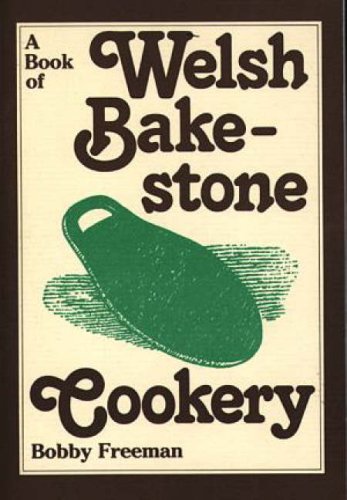
Welsh Bakestone CookeryBobby Freeman, the author of this little book* and many others, has run a restaurant in Fishguard and knows all about the cooking of West Wales. Here is her recipe for Welsh Cakes (Pice ar y maen) which need to be eaten while they are warm and fresh:

  • 225g SR flour and ½ teaspoon baking powder
  • 124g butter or margarine
  • 75g sugar
  • 75g currants
  • 1 large egg and a little milk
  • Good pinch mixed spice or just nutmeg

Rub the fat into the spiced flour (butter for a traditional taste!), add the sugar and currants, bind with beaten egg and a little milk if needed to a stiffish paste – similar to shortcrust but a little softer. Roll out on a floured board to about ¼in thick, cut into 2½in rounds and bake on a greased, moderately hot bakestone, 3 – 5 minutes each side until mottled with golden brown. Sprinkle with sugar.

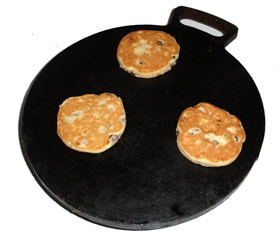
Planc with welsh cakes

Now you have a reason to visit Seaways bookshop in Fishguard for a Welsh cookery book and to look around the antique shops and the charity shops for a planc. (Although the generic term is bakestone, this cast iron griddle is called a planc in West Wales.)

*A Book of Welsh Bakestone Cookery is published by Y Lolfa. This is a lively Welsh Publishing House with a substantial list of authors of whom seventy-two share the surname Jones.

Posted in books, Food | Tagged , , , , , , , , , , , , | 3 Comments

Film locations

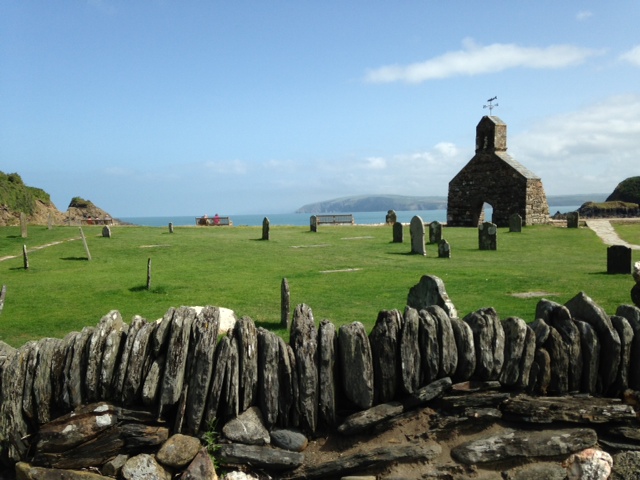
St Brynach's churchyard at Cwm yr Eglwys

St Brynach’s Church and graveyard at Cwm yr Eglwys, Dinas Cross

The Pembrokeshire coastline is so dramatic, wild, picturesque and undeveloped that it has inevitably featured in a number of films.

Richard Burton’s Under Milk Wood was made in Fishguard Lower Town, and more recently Russell Crowe’s Robin Hood was filmed on Freshwater West beach, as was Harry Potter and the Deathly Hallows (parts 1 and 2). Snow White and the Huntsman was made on Marloes Sands in 2012

We know that our local beach, Cwm yr Eglwys, has also featured in a film because we saw it being made about fifteen years ago. I remember a scene in which a number of black-cloaked bearers carried coffins around the perimeter of the churchyard. There must have been shots of the funeral procession against the sea and the sky. Was it being made for Welsh TV – S4? I’ve an idea it was a horror film. What happened to it? Can anyone tell me? I’d love to know.

Posted in Art | Tagged , , , , , , , , | 2 Comments

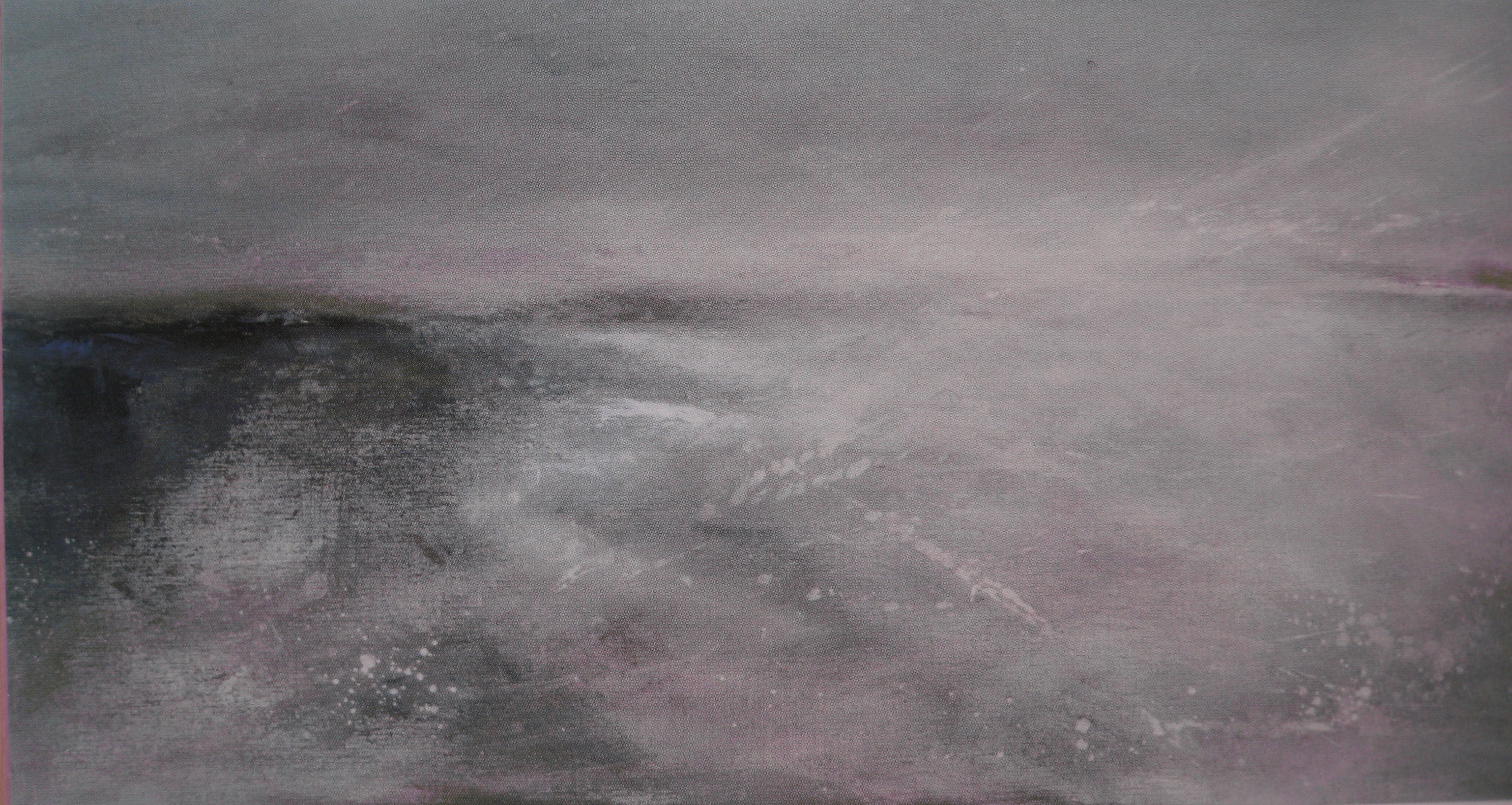
Landscape and Light for Artists

Dinas Coastal Walk. Acrylic on canvas by Ross Loveday.

Dinas Coastal Walk. Acrylic on canvas by Ross Loveday.

Pembrokeshire is full of art galleries, artists’ studios and memories of well known figures from the art world. Graham Sutherland, who left a collection of his paintings to Wales

 first visited Pembrokeshire in 1934 and said it was the place where he ‘began to learn painting’. He recalled being fascinated by ‘twisted gorse on the cliff edge… the flowers and damp hollows… the deep green valleys and the rounded hills and the whole structure, simple and complex’. Sutherland discovered in Pembrokeshire a landscape of ‘exultant strangeness’ but also felt that he was ‘as much part of the earth as my features were part of me’.
(from www.museumwales.ac.uk)

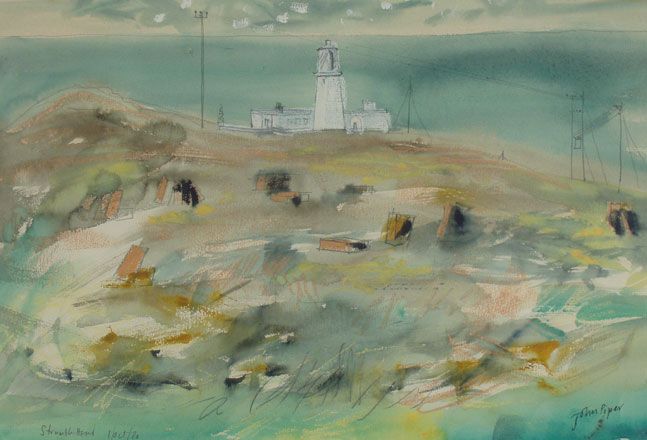
The John family (Gwen and Augustus) came from Haverfordwest and John Piper featured the hills around Strumble Head in a number of his works.

The light and the landscape continue to attract artists to this part of the country and there are courses run by Indigo Brown just down the road in Letterston throughout the autumn and winter, for anyone wishing to combine a Tegfan holiday with some formal art instruction.

Posted in Art | Tagged , , , , , , , , , | Leave a comment

R M Lockley at Dinas

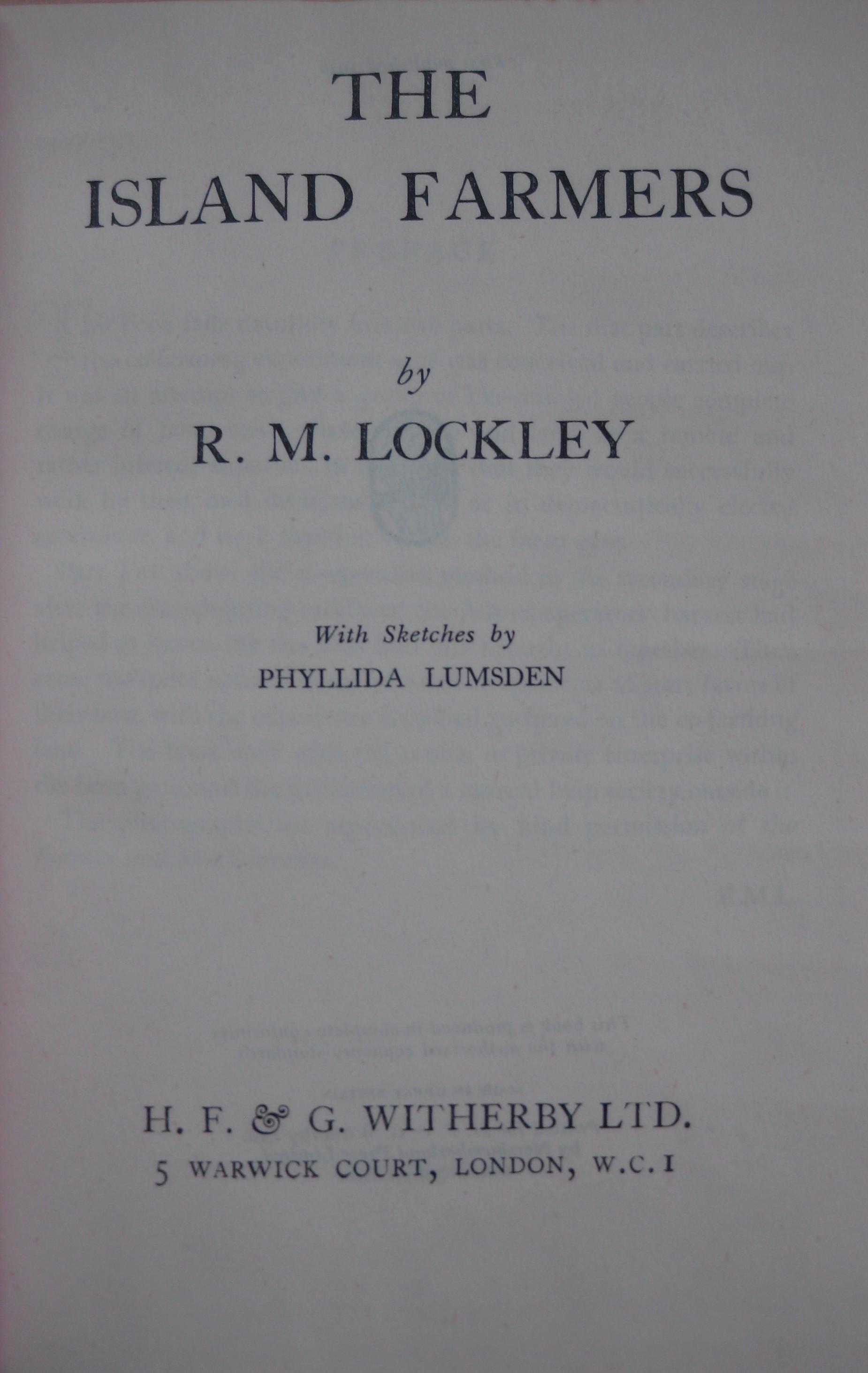
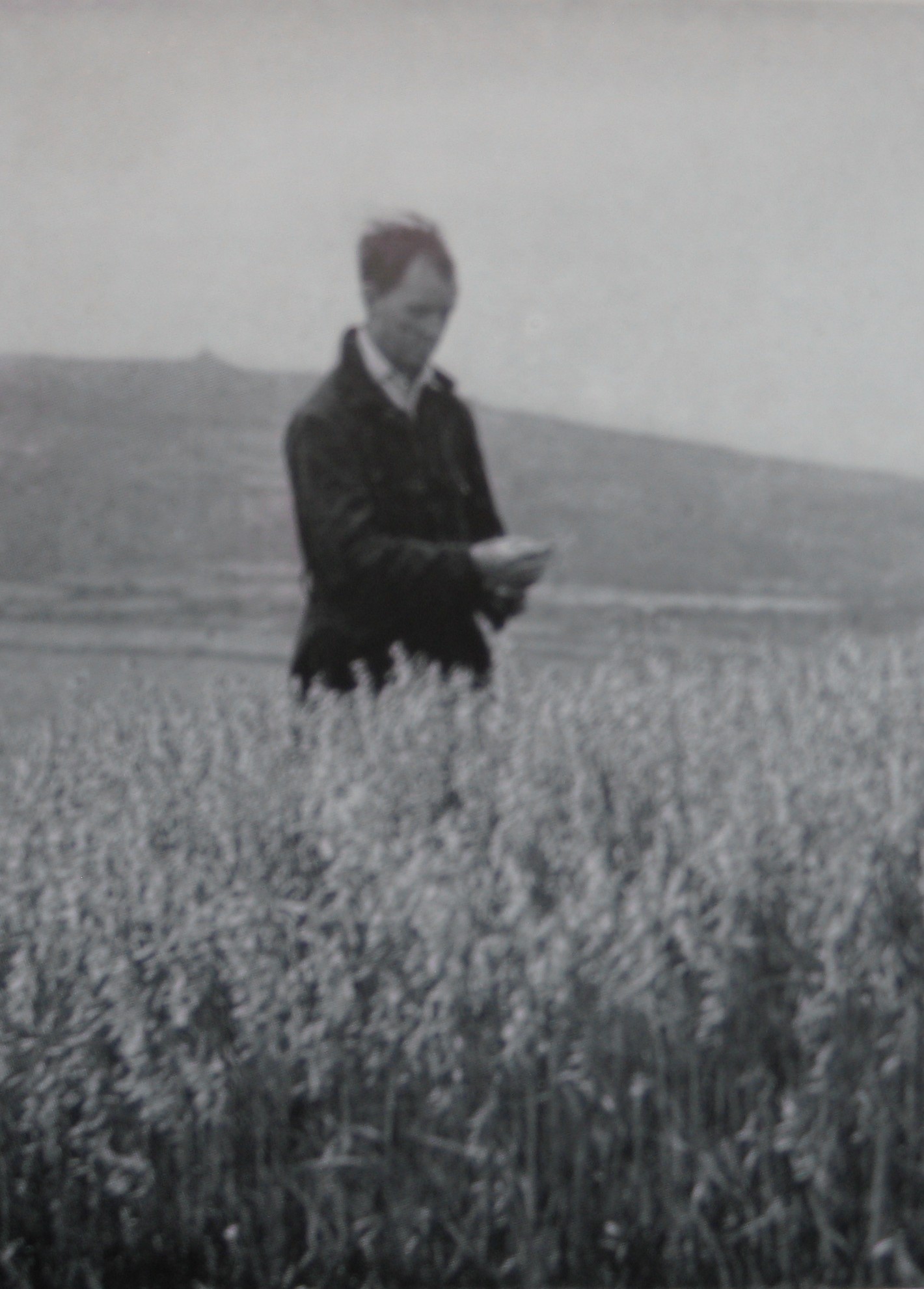
The Island Farmers by R M LockleyR M Lockley growing oats on Dinas IslandThe eminent naturalist, R M Lockley, whose book on the private life of the rabbit inspired Richard Adams’ ‘Watership Down’, spent the war years on Dinas Island Farm. ‘The Island Farmers’ (first published in 1946) is a fascinating account of his co-operative project in Dinas and is worth seeking out for Tegfan reading. When Lockley first arrived at the farm it was ramshackle and over-grown. The nature-lover within him would have left it as it was but it was war-time and there was an imperative to grow food for the nation.

From the house and the yard a track led up through the empty fields to the abandoned ruin of a coastguard hut on the very top of the island at 463 feet above sea-level. We made our way slowly through the thistle and bracken infested land. The farther you moved away from the yard the wilder the fields became, until in the big field of thirty-five acres at the top of the farm you were walking by rough paths through bramble, furze and blackthorn, growing above your head. Here was a perfect paradise for rabbits and wild birds and small creatures. Larks, stonechats, blackbirds, thrushes, dunnocks and yellow-hammers made up the population of winter birds. Kestrels, sparrow hawks and buzzards hunted for rodents and small life. No doubt in the summer there were plenty of bush warblers to swell the dawn chorus. The warm slope looked as if it would suit adders and lizards too.

‘The Island Farmers’ provides plenty of information about the agricultural problems encountered by Lockley and his friends and, if you’re an Archers‘ fan, you’ll find yourself in familiar territory. Here is a cliff side rescue of a red heifer:

The last words he spoke were: “I don’t think I can get down, so I’ll go back up.” As he started up his feet suddenly slipped beneath him. He tumbled backwards, his own scream mingling with ours. He fell sixty feet, struck a ledge a glancing blow with his back, and plunged the remaining forty feet into the water close to the boat, turning over in mid-air and striking the water feet first.

(Fortunately, unlike Nigel, he survived.)

For a war-time edition, this book is unusually well illustrated with photos and charming line-drawings by Phillida Lumsden and even though it was written seventy years ago the country side is virtually unchanged.

This book is now out of print and I bought my secondhand copy in Haverfordwest. I suggest that you start looking now in your local Oxfam shops and stock up on R M Lockley’s works for your holiday reading in Pembrokeshire.

Posted in books, Wildlife | Tagged , , , , , , , , , , , , | Leave a comment